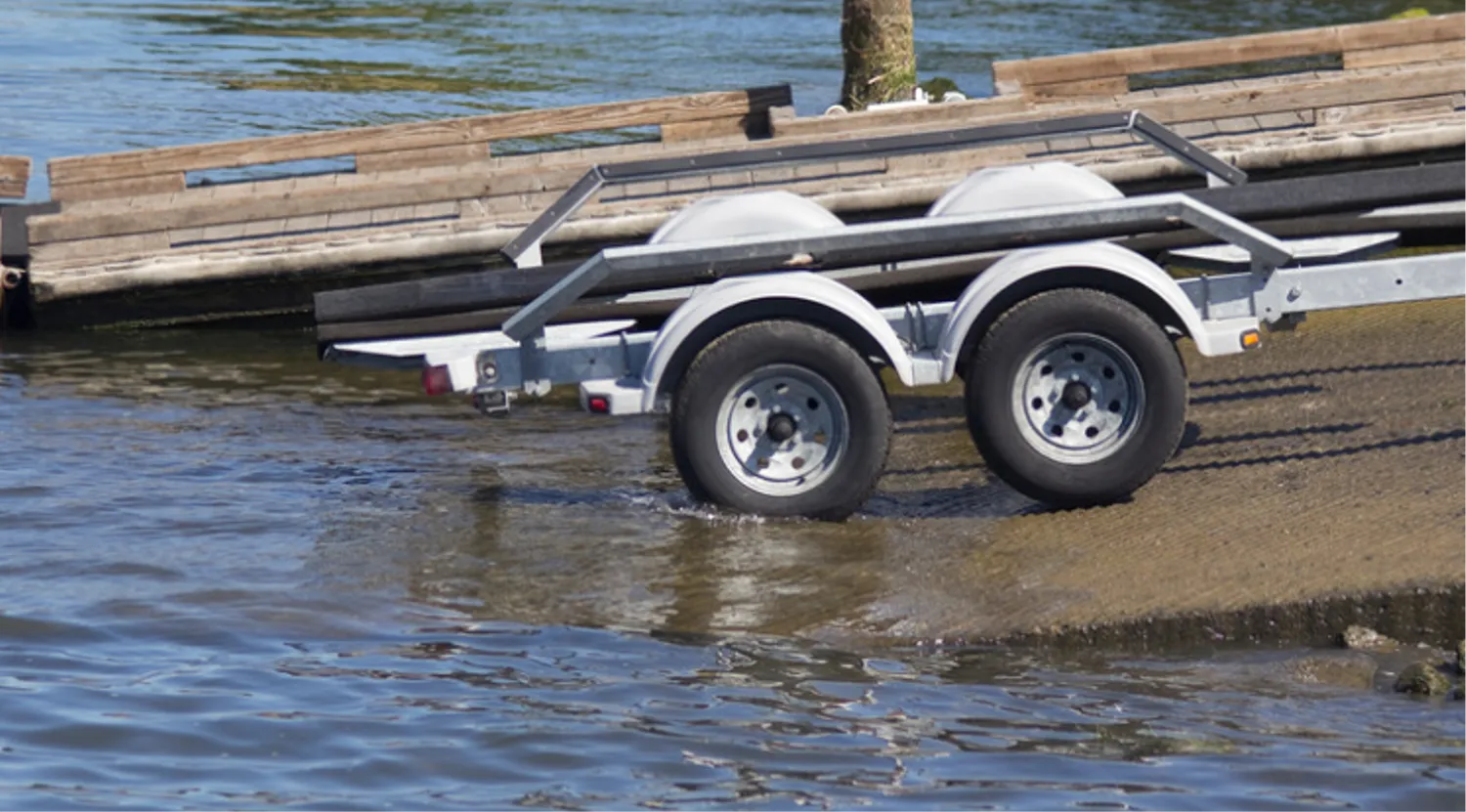
If any situation arises where you need to transport your car efficiently at a short distance, using an auto transport dolly over higher cost options such as trailer transportation might be the best way to go. It’s actually really convenient for a lot of situations, like when you wanna move your broken-down car to the mechanic.
However, it isn’t as easy as just attaching the dolly to the car and calling it all good to move. There are still proper steps that you need to take so you can have a safe and hassle-free experience.
This article will explain those processes and considerations to guide you on the process of properly using the auto transport dolly.
Overview: Auto Transport Dolly
A car dolly is a two-wheeled trailer designed to lift the front wheels of the vehicle being towed while the rear wheels remain on the ground. This method is best suited for front-wheel-drive vehicles because the drive wheels are lifted, preventing transmission damage. If you need to tow a rear-wheel-drive or all-wheel-drive vehicle, you may need to disconnect the driveshaft to avoid mechanical issues.
To start, let’s go over what a car dolly is first with additional information. A car dolly is classified with its two wheels, lifting the front wheels of vehicles while the rear wheels are left on the ground spinning. One could say that it’s biased toward front wheel drive cars, like most economy hatches and sedans that you can see a lot of today.
How about rear-wheel or all-wheel drive vehicles? You can disconnect the driveshafts to have no complications damaging the transmission (just remember to put them back).
Things Needed
Before you start towing a car with a dolly, make sure you have the following equipment:
- A car dolly rated for the weight of your vehicle
- A tow hitch installed on the vehicle
- Safety chains and straps
- Wheel chocks
- A tire pressure gauge
- A lighting system (if required by local laws)
Step-by-Step Guide to Towing with a Car Dolly
1. Check Legal Requirements
Different states and countries have specific regulations for towing a car using a dolly. Check local laws regarding maximum towing speeds, lighting requirements, and whether additional braking systems are needed. You don’t want to get pulled over just because you were transporting your car.
2. Inspect the Towing Vehicle and Car Dolly
Before loading the car onto the dolly, perform a thorough inspection of the towing vehicle and the dolly. Ensure that:
- The tow hitch is securely attached and rated for the weight of the car being towed.
- The dolly’s tires are properly inflated and in good condition.
- The safety chains and straps are free of damage and ready for use.
- The dolly’s lights and brakes (if applicable) are functioning correctly.
3. Prepare the Car for Towing
If your vehicle is front-wheel drive, simply put it in neutral, engage the parking brake, and turn off the engine. However, if you’re towing a rear-wheel-drive or all-wheel-drive car, you may need to disconnect the driveshaft to prevent transmission damage. Also, ensure that:
- The steering wheel is locked in place to prevent movement while towing.
- The tires are properly inflated to avoid damage.
- Any loose items inside the car are secured to prevent shifting during transport.
4. Load the Car onto the Dolly
- Position the dolly: Park the towing vehicle on a flat, stable surface and align the dolly directly behind it.
- Align the car: Drive or push the car slowly onto the dolly, ensuring the front wheels are centered on the wheel platforms.
- Secure the wheels: Use the provided wheel straps to firmly secure the front wheels to the dolly. Tighten the straps to prevent movement.
- Attach safety chains: Connect the safety chains from the dolly to the car’s frame for additional security.
5. Double-Check All Connections
Before hitting the road, perform a final check to ensure:
- The car is securely fastened to the dolly.
- The safety chains are correctly attached.
- The dolly’s lights are operational.
- The tires on both the dolly and the car are in good condition.
6. Drive Cautiously
Towing with a car dolly changes the handling and braking characteristics of your towing vehicle. Keep the following tips in mind while driving:
- Maintain a steady speed: Avoid sudden acceleration or braking.
- Allow for extra stopping distance: Towing increases braking distance, so anticipate stops early.
- Make wider turns: The additional length requires wider turns to prevent clipping curbs or other obstacles.
- Check periodically: Stop every 50-100 miles to inspect the straps, chains, and tires to ensure everything remains secure.
7. Unloading the Car
Upon reaching your destination, follow these steps to safely unload the car from the dolly:
- Park on level ground: Ensure the area is flat and free from obstacles.
- Secure the towing vehicle: Engage the parking brake and chock the dolly’s wheels.
- Remove safety chains and straps: Carefully detach all securing equipment.
- Slowly back the car off the dolly: If necessary, have a spotter guide you to prevent accidents.
Although straightforward on paper, towing a car using a car dolly only really works if you take all the measures to do it correctly. Always inspect your equipment, drive carefully, and comply with local regulations to ensure a smooth towing experience. If you’re looking to try using an auto transport dolly, there are also plenty of car dolly rental services available and auto shipping companies for your convenience.