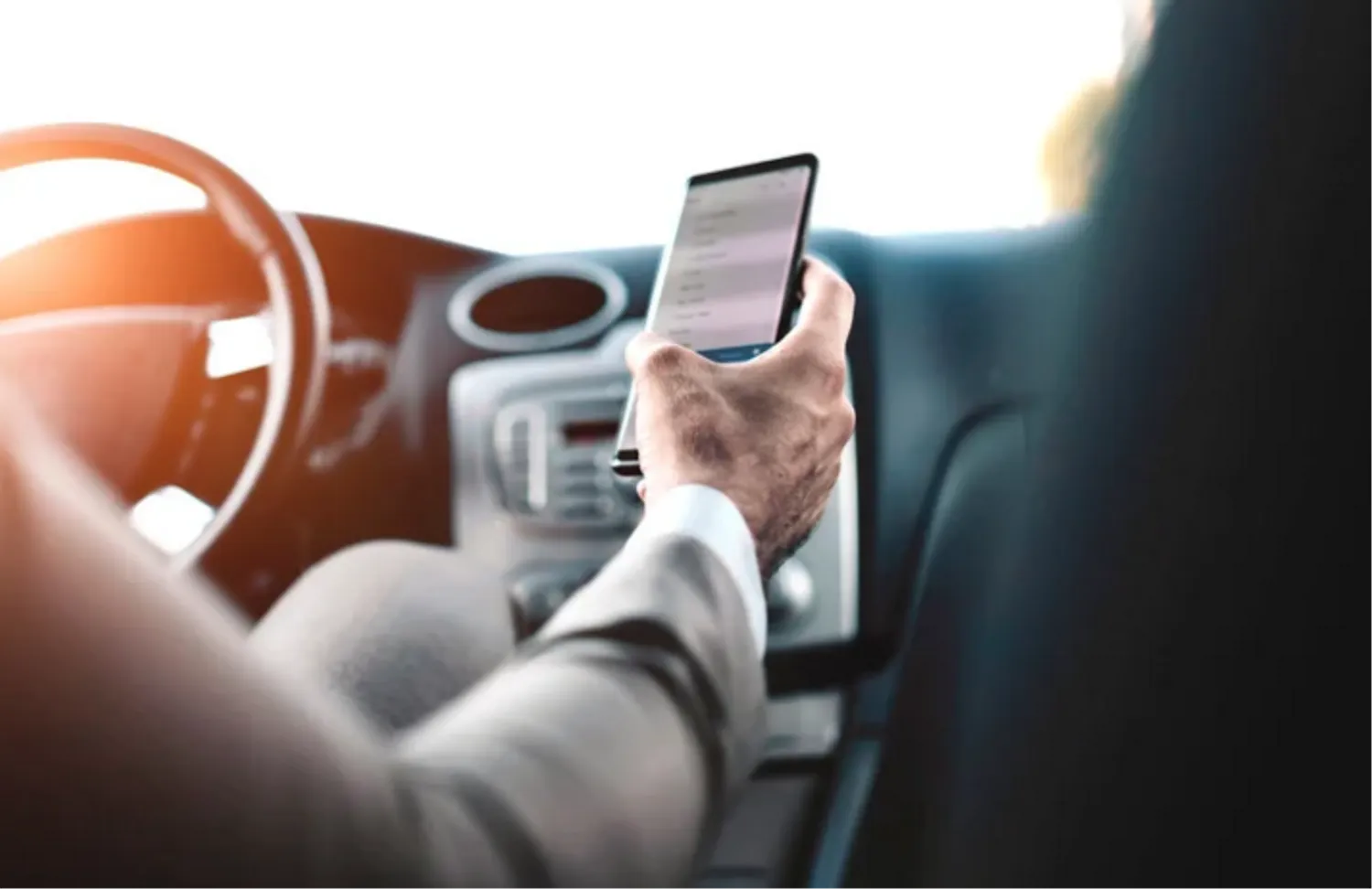
"Stay alive—don’t text and drive" is one of the many common texting and driving quotes that you might have heard of. In today's fast-paced digital world, our smartphones have become an integral part of our daily lives. Whether it's checking emails, scrolling through social media, or responding to messages, staying connected is easier than ever.
However, this constant connectivity has also led to a significant and dangerous problem: texting while driving. Despite widespread awareness campaigns and strict laws, many drivers still engage in this risky behavior, often underestimating its consequences. In this article, we will explore the dangers of texting while driving and why it should be avoided at all costs.
The Alarming Statistics
Texting while driving is one of the leading causes of car accidents worldwide. According to the National Highway Traffic Safety Administration (NHTSA), distracted driving claimed over 3,000 lives in the United States in 2021 alone.
Studies show that a driver who texts while driving is 23 times more likely to be involved in a crash compared to a driver who is focused on the road. The Centers for Disease Control and Prevention (CDC) also report that approximately nine people die every day due to distracted driving, with texting being a major contributor.
The problem is not just in the United States; it’s a global issue. Many countries have implemented strict laws against texting while driving, yet compliance remains a challenge. The widespread use of mobile devices means that drivers are often tempted to glance at their phones, even if just for a second. Unfortunately, that one-second glance could mean the difference between life and death.
Why Texting While Driving Is So Dangerous
Texting while driving is considered one of the most dangerous forms of distracted driving because it involves three types of distraction:
- Visual Distraction – Taking your eyes off the road to look at your phone screen.
- Manual Distraction – Removing your hands from the steering wheel to type or scroll.
- Cognitive Distraction – Shifting your focus from driving to reading or composing a message.
Unlike other distractions, such as talking to a passenger or adjusting the radio, texting requires complete attention. On average, sending or reading a text takes about five seconds. If you are traveling at 55 mph, that means you are essentially driving the length of a football field blindfolded. The reality is, anything can happen in those few seconds—a pedestrian could step into the street, another driver could suddenly stop, or an obstacle could appear in your path.
Additionally, when you text while driving, your reaction time significantly slows down. Studies indicate that texting while driving delays reaction time just as much as driving under the influence of alcohol. This means that even if you think you are in control, your ability to respond quickly to road hazards is severely impaired.
The Legal Consequences
Governments around the world have recognized the dangers of texting while driving and have implemented strict laws to prevent it. In the United States, 48 states have banned texting while driving, and many impose heavy fines and even license suspensions for repeat offenders. Some states have gone further by enacting hands-free laws, making it illegal to hold a phone while driving.
In countries such as the United Kingdom, Canada, and Australia, texting while driving can lead to hefty fines, demerit points on your driving record, and even jail time in severe cases. The penalties are meant to serve as a deterrent, but many drivers continue to risk their lives and the lives of others by texting behind the wheel.
The Real-Life Consequences
Beyond the legal ramifications, the real cost of texting while driving is the potential for tragedy. Countless heartbreaking stories highlight the devastating impact of distracted driving. Families have lost loved ones, survivors have suffered life-altering injuries, and many people live with the guilt of causing fatal accidents.
Consider the story of a young teenager who was texting her friend while driving and didn’t notice a stop sign. She crashed into another vehicle, resulting in the death of a mother of two. The teenager survived, but she now lives with the unbearable guilt of taking another person’s life due to a text that could have waited.
Similarly, a father of three was rear-ended by a distracted driver who was replying to a message. The accident left him paralyzed, changing his life and that of his family forever. These are not isolated incidents; they happen every day and could happen to anyone.
How to Break the Habit
Understanding the dangers of texting while driving is the first step, but actively changing behavior is what truly makes a difference. Here are some practical ways to prevent distracted driving:
- Use Do Not Disturb Mode – Most smartphones have a “Do Not Disturb While Driving” feature that silences notifications when you’re on the road.
- Designate a Texter – If you have a passenger, let them handle your messages.
- Pull Over if It’s Urgent – If you must respond to a message, pull over safely before using your phone.
- Use Hands-Free Technology – If you need to communicate while driving, use voice commands or hands-free devices.
- Lead by Example – Encourage family and friends to avoid texting while driving by setting a good example yourself.
- Educate Young Drivers – Teen drivers are especially at risk, so parents and educators should emphasize the dangers of phone use behind the wheel and enforce rules.
- Hold Yourself Accountable – If you find yourself tempted to check your phone, remind yourself of the risks and the potential consequences.
Car Shipping: A Safer Alternative
For those who frequently travel long distances, one effective way to avoid the temptation of texting while driving is to consider car shipping services. Many individuals and businesses choose to ship their vehicles rather than drive them over long distances, reducing the risk of accidents caused by distracted driving.
Car shipping services offer a safe and efficient solution for relocating vehicles without the need for long hours behind the wheel. Professional auto transport companies handle the entire process, ensuring that your car arrives at its destination without unnecessary wear and tear—or, more importantly, without the risks associated with distracted driving. Whether you're moving to a new state, purchasing a vehicle from a distant location, or traveling for an extended period, car shipping can be a practical alternative that prioritizes safety.
By opting for professional transport services, drivers can eliminate the stress of road fatigue and distractions, including the urge to check their phones while driving. Instead of risking an accident, individuals can rely on trained professionals to handle the journey, allowing them to focus on other important tasks or travel safely by alternative means.
Conclusion
No text message is worth a life. The next time you feel the urge to check your phone while driving, remember that your life and the lives of others depend on your full attention. If you can’t drive that long without getting your attention distracted by a text, you could always go for car shipping. By making responsible choices, following the law, and encouraging others to do the same, we can all contribute to safer roads. Stay safe, stay responsible, and keep your eyes on the road.