Artists have long used their imaginations to reconstruct the First and Second Temples in Jerusalem. The First Temple, built by Solomon, housed the Ark of the Covenant and featured a vestibule, sanctuary and Holy of Holies lined with cedar and gold. The Second Temple, erected by returning exiles and later expanded by Herod to include grand courtyards and colonnades, stood at the heart of Jewish life until its destruction in 70 CE. Although only the Western Wall remains, paintings of the temples allow us to envision their grandeur.
Jerusalem temple paintings range from meticulous architectural reconstructions to imaginative interpretations. Realistic works use historical sources to depict precise floor plans, materials and ritual activities. Artists often show priests offering incense, Levites singing psalms and pilgrims ascending broad steps during festivals. In contrast, visionary paintings emphasise symbolism: soaring golden domes, radiant light emanating from the Holy of Holies and swirling clouds of incense evoke spiritual transformation. Some painters juxtapose the temple with modern Jerusalem, suggesting continuity between ancient sanctity and contemporary life.
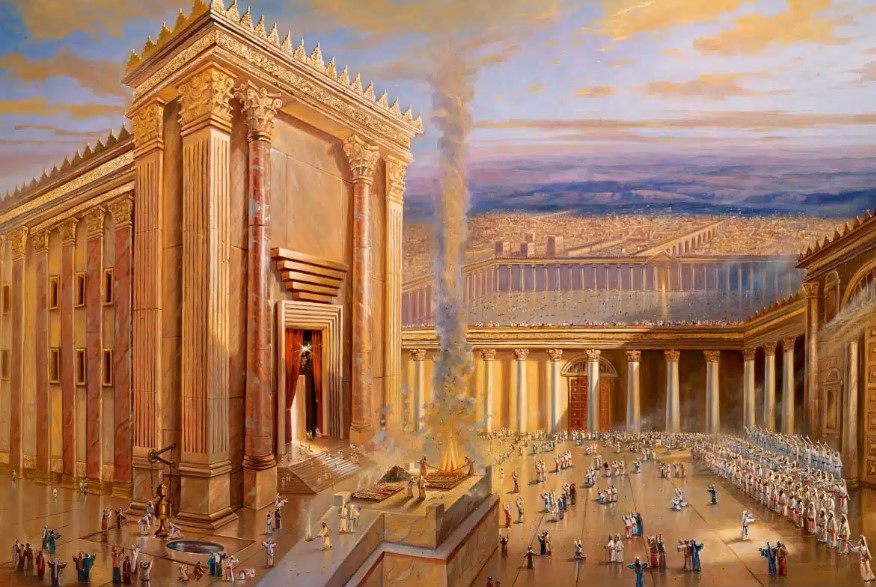
Realistic paintings may use mediums like oil on canvas or watercolour, whereas visionary works sometimes blend acrylics with gold leaf to suggest holiness. Some artists incorporate fine calligraphy, micrography and intricate mosaics, merging textual tradition with visual art. The diaspora’s longing for Jerusalem is also reflected in temple paintings: families in distant lands hung prints of the temple to feel closer to the sacred city. Today, collectors can commission custom temple art that integrates personal prayers or blessings, creating unique works that bridge history and personal devotion for generations to come.
The concept of a Third Jerusalem Temple appears in prophetic writings and later mystical traditions. According to rabbinic literature, this future sanctuary will be revealed during the Messianic era and will usher in universal peace and divine knowledge. Artists exploring this theme create works that blend historical memory with hopeful projection. Some imagine a majestic structure surrounded by people of many nations, reflecting the idea that the Third Temple will unite humanity. Others use abstract shapes and shimmering colours to suggest a temple not built of stone but manifesting as spiritual light.
Comparing Jerusalem temple paintings with Third Temple art reveals both continuity and contrast. Paintings of the First and Second Temples focus on past reality, inviting viewers to mourn their loss and appreciate their role in shaping Judaism. Art about the Third Temple points toward the future, encouraging reflection on redemption and global harmony. Both genres prompt discussion about the significance of sacred architecture, the transformation of worship practices and the enduring power of hope.
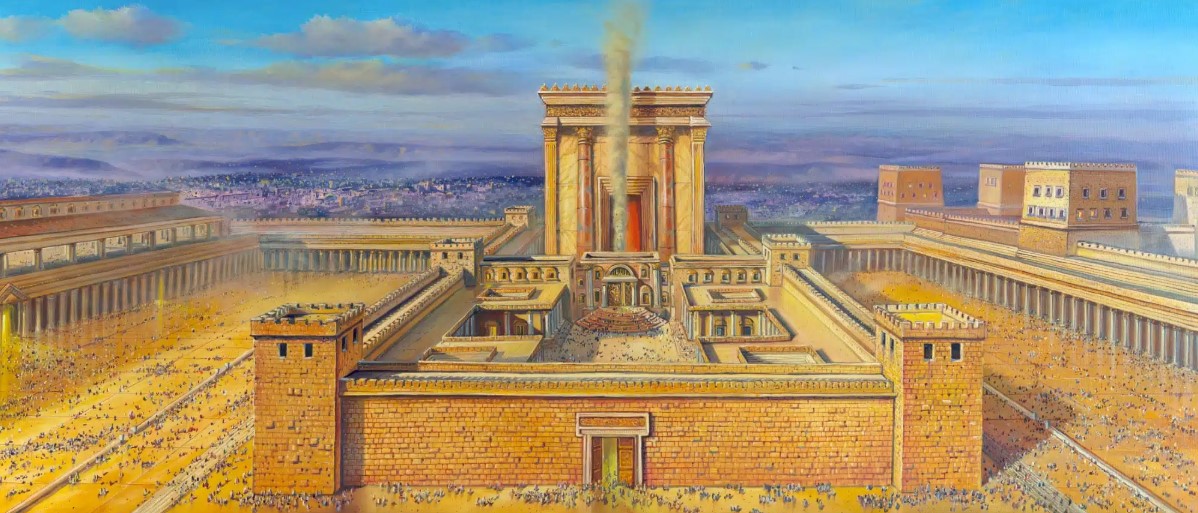
By collecting temple paintings—historic or visionary—you participate in a long‑standing dialogue about memory and aspiration. Display these works in your home to honour sacred history, explore themes of destruction and renewal and contemplate the promise of a restored Jerusalem. Browse Art Levin’s selection of Jerusalem temple art and Third Temple paintings to find pieces that inspire your spiritual imagination.