The trail to the high passes calls to every brave heart who dreams of standing close to the tallest peaks on Earth. In this wild and beautiful world, an Everest High Passes Trek guide becomes the friend who leads you, supports you, and keeps you safe when the mountains test your strength.
Why This Trek Feels Like the Ultimate Journey
The Everest Three Passes Trek is more than a simple walk. It is a long and exciting adventure that spins through glaciers, stone villages, sharp ridges, and huge white mountains. People love this trek because it is challenging, rewarding, and filled with views you cannot forget.
But the trail can also be rough, cold, and confusing. The high altitude makes breathing harder. The weather changes fast. Some paths twist like puzzles. That is why you need a trained guide who knows every corner of the region and understands how to keep you safe and confident.
Your guide becomes your compass, your teacher, and your steady voice on tough days. They help you stay strong, enjoy the journey, and discover the culture of the Sherpa people along the way.
How a Guide Makes Your Journey Safer
A professional mountain guide does much more than simply show the path. They read the weather, plan the pace, check your health, and make quick decisions when needed.
Here is what your Everest High Passes Trek guide supports you with:
- They teach you how to move safely on icy or steep trails
- They remind you to drink water, rest well, and watch for altitude signs
- They choose lodges and meal spots that keep your energy strong
- They know shortcuts and safer routes when storms arrive
- They help you communicate in remote villages
- They tell stories and share traditions that bring the mountains to life
When you walk with a guide, you do not just follow the trail. You understand it. You feel connected to it. You enjoy every step with confidence.
A Closer Look at the Trek’s Big Numbers
To help you understand the scale of this adventure, here are the key statistics of the Everest Three Passes Trek:
- Total distance: around 160–170 km
- Average trekking duration: 18–21 days
- Maximum elevation: 5,535 meters at Kongma La Pass
- Other high passes: Cho La Pass at 5,420 m and Renjo La Pass at 5,360 m
These numbers show why a guide is important. You walk long days, sleep high, and cross passes where the air is thin. The guide helps you finish this great challenge safely and happily.
Understanding the Three Mighty Passes
Each of the three passes has its own story, beauty, and difficulty. Your guide explains what to expect at each one so you feel ready.
Kongma La Pass (5,535 m)
This is the highest and often the toughest pass. The climb is long, rocky, and windy. But when you reach the top, the views of Ama Dablam and the massive Nuptse wall fill your heart with pride.
Cho La Pass (5,420 m)
This pass can be icy, especially in the morning. Your guide picks the safest time to cross. The glacier section is a true highlight—cold, sparkling, and unreal.
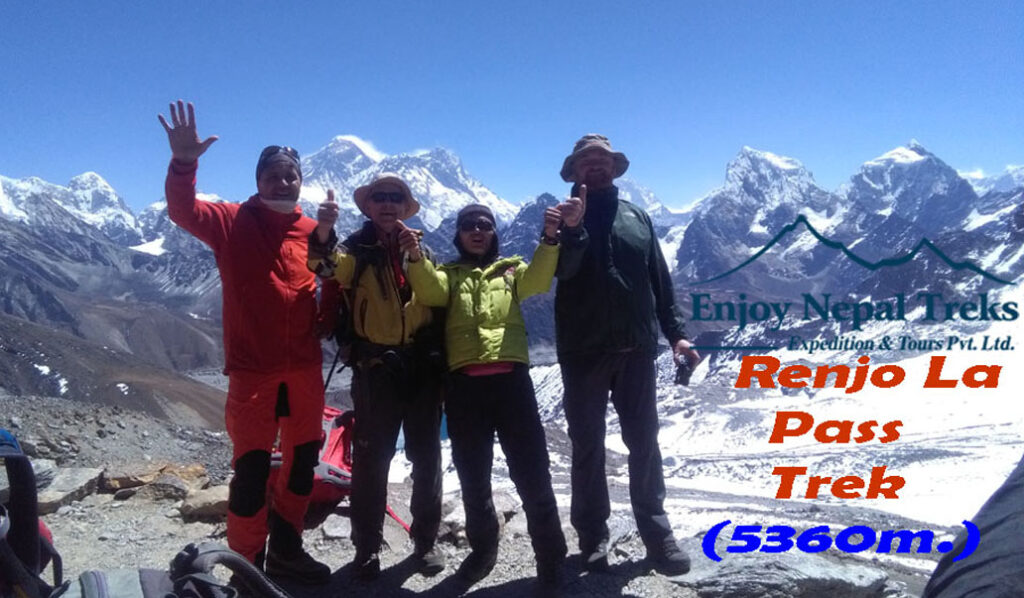
Renjo La Pass (5,360 m)
This pass rewards you with one of the best views of Mount Everest. The trail feels more peaceful, and sunrise from the summit looks like magic.
Walking Through Sherpa Villages and Ancient Culture
Your guide helps you explore the warm world of the Sherpa people. You pass through villages like Namche, Thame, and Gokyo. Each place has stone-built homes, waving prayer flags, friendly smiles, and colorful monasteries.
A guide can explain:
- What the prayer wheels mean
- Why yaks are so important
- How local food is cooked
- What life is like in the high mountains
This turns the trek into a cultural journey, not just a physical one.
Handling High Altitude With Care
The high altitude can surprise anyone. Even strong trekkers can feel headaches, tiredness, or short breaths. Your guide watches for symptoms, checks your pace, plans acclimatization days, and reminds you to “walk slow, breathe deep.”
These simple steps prevent serious health risks. A guide knows how altitude works and how to respond fast if something feels wrong.
Finding the Best Route and Itinerary
There are many ways to complete the Three Passes. Some trekkers start clockwise. Others go anti-clockwise. The weather, season, and your fitness matter too.
Your Everest High Passes Trek guide chooses the best plan, such as:
- A smooth start through Phakding and Namche
- Great acclimatization days
- A safe order for crossing passes
- Smart timings for sunrise viewpoints
- Backup routes in case trails close
This planning saves energy and keeps stress low.
Making Each Day Enjoyable
A long trek becomes easier when you have someone who understands the mountains and sees the little things you might miss. Guides point out rare flowers, hidden viewpoints, and fresh water streams. They teach you local words. They laugh with you when the wind gets silly.
On hard days, their calm and friendly voice lifts your spirit. On easy days, they let you enjoy silence and nature. The rhythm becomes natural, and you feel at home in the mountains.
Why Hiring a Local Guide Matters
Local guides bring knowledge that cannot be learned from maps. These mountains are their home. They know the seasons, the winds, the people, and the stories.
Hiring a local guide:
- Supports families and communities in the Everest region
- Helps preserve local culture
- Gives you real human connection
- Makes your trek meaningful for you and the people who welcome you
Your journey becomes part of their story too.
The Everest Adventure That Stays With You
When you stand on the high pass and look across the white peaks, the world feels quiet and endless. You feel proud, strong, and alive. And you know you did not reach that moment alone.
Your guide walked beside you, encouraged you, and shared the dream with you. That is what makes the Everest Three Passes Trek unforgettable.
February comes and goes. Seasons change. But this adventure stays in your heart forever.