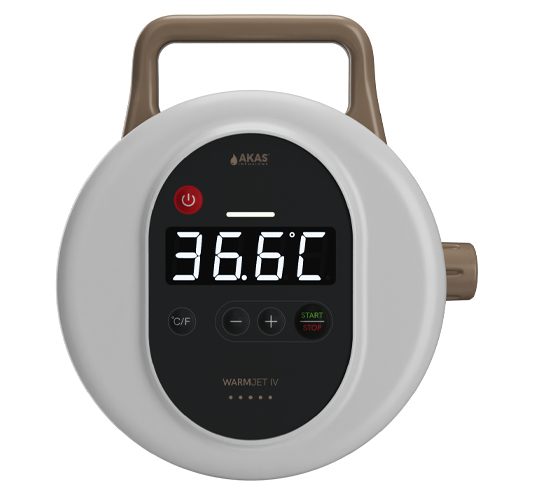
In healthcare settings, every piece of equipment plays a vital role in patient outcomes. Fluid warmers are essential devices that help maintain the proper temperature of intravenous fluids, preventing hypothermia and promoting recovery. Choosing the right Fluid Warmer Machine is not only a clinical decision but also an operational one that affects energy consumption and costs.
Energy efficiency in medical equipment is increasingly important. Hospitals and medical institutions must balance excellent patient care with sustainability goals and budget constraints. Selecting energy-efficient fluid warmers can help achieve this balance, contributing to lower operating expenses and a reduced carbon footprint. This guide offers practical insights to help healthcare providers choose the best energy-efficient fluid warmers for their facility.
1. Understand the Importance of Energy Efficiency in Fluid Warmers
Modern fluid warmer machines are designed to maintain precise temperatures while using minimal energy. Energy efficiency is critical because:
- Hospitals operate equipment continuously, so small energy savings add up significantly.
- Efficient devices reduce heat waste, lowering cooling requirements in hospital rooms.
- Energy-efficient machines align with healthcare sustainability initiatives, helping meet regulatory standards.
By prioritising energy-efficient fluid warmers, facilities demonstrate a commitment to environmentally responsible care.
2. Assess the Types of Fluid Warmers Available
Different fluid warmers use varying technologies, impacting their energy use. Common types include:
- Contact plate warmers that heat fluids via direct contact, offering fast, efficient warming.
- Forced-air warmers that use heated air circulation; these can consume more energy.
- Inline fluid warmers that warm fluids as they flow through tubing, typically energy-efficient for continuous infusion.
Understanding the technology helps hospitals select devices that match their clinical needs and energy goals.
3. Check for Energy-Saving Features
Many modern fluid warmer machines include features designed to reduce energy consumption, such as:
- Automatic standby modes that lower power use when idle.
- Precise temperature controls that prevent overheating and unnecessary energy use.
- Insulation technology to minimise heat loss during operation.
Look for these features in product specifications to ensure your fluid warmers maximise energy efficiency without compromising performance.
4. Evaluate the Device’s Temperature Accuracy and Safety
Energy efficiency must not come at the expense of patient safety. Accurate temperature control ensures warmed fluids meet clinical requirements without overheating, which can cause tissue damage.
Reliable fluid warmer machines combine energy-efficient designs with rigorous temperature monitoring. These devices help reduce waste—energy and fluid—by delivering fluids at the optimal temperature consistently.
5. Consider the Flow Rate Compatibility
The energy efficiency of fluid warmers also depends on how well the device handles varying flow rates. Hospitals administer fluids at different speeds depending on patient needs.
- Machines that efficiently warm fluids across a range of flow rates reduce energy waste.
- Devices with poor adaptability may require higher energy to maintain set temperatures at low or high flows.
Choose fluid warmers designed to perform efficiently throughout the full spectrum of clinical scenarios.
6. Factor in the Ease of Maintenance and Durability
Energy-efficient operation depends on well-maintained equipment. Fluid warmers with simple maintenance routines and durable components often run more efficiently over time.
- Regular servicing ensures sensors and heating elements work correctly, preventing excess energy use.
- Durable fluid warmer machines resist wear and tear, maintaining efficiency throughout their lifespan.
Opting for devices known for longevity supports sustainable, energy-efficient hospital practices.
7. Investigate Manufacturer Credentials and Support
Partnering with reputable manufacturers is crucial. Trusted providers ensure their fluid warmer machines meet international energy and safety standards.
- Reliable manufacturers offer detailed product documentation on energy use and clinical performance.
- Good customer support helps hospitals optimise device settings and maintenance, supporting energy efficiency.
Selecting Fluid Warmers from well-established manufacturers reduces the risk of inefficiency and equipment failure.
8. Review Environmental and Regulatory Compliance
Hospitals must comply with environmental policies and healthcare regulations. Fluid warmers that adhere to energy efficiency standards contribute to compliance goals.
- Look for certifications such as Energy Star or equivalents recognised in the healthcare sector.
- Compliance ensures fluid warmer machines meet both environmental and patient safety benchmarks.
Choosing compliant devices supports your facility’s accreditation and sustainability initiatives.
9. Consider Total Cost of Ownership
Energy efficiency impacts not only electricity bills but also overall costs. When selecting fluid warmers, consider:
- Initial purchase price versus long-term energy savings.
- Costs related to maintenance, repairs, and eventual replacement.
- Potential rebates or incentives for energy-efficient medical equipment.
A comprehensive view helps facilities invest wisely, balancing upfront costs with future savings.
10. Prioritise Patient Comfort and Clinical Effectiveness
Ultimately, fluid warmers exist to support patient care. Energy-efficient machines should also deliver:
- Consistent, safe warming to prevent complications like hypothermia.
- User-friendly interfaces that reduce staff errors.
- Quiet operation and minimal disruption in care areas.
The best energy-efficient fluid warmer machines combine technology with compassion, enhancing care quality.
Conclusion
Choosing the right energy-efficient fluid warmer machine involves balancing clinical needs, operational efficiency, and sustainability goals. Healthcare facilities benefit from selecting devices with advanced energy-saving features, precise temperature control, and reliable performance. Maintenance ease and compliance with environmental standards further ensure long-term efficiency.
Partnering with trusted manufacturers makes a significant difference. Akasinfusion stands out as a world-class manufacturer of drug delivery devices, including volumetric infusion pumps, committed to innovation and patient-centred care. By investing in such high-quality, energy-efficient technology, hospitals can enhance patient outcomes while supporting sustainable healthcare practices.