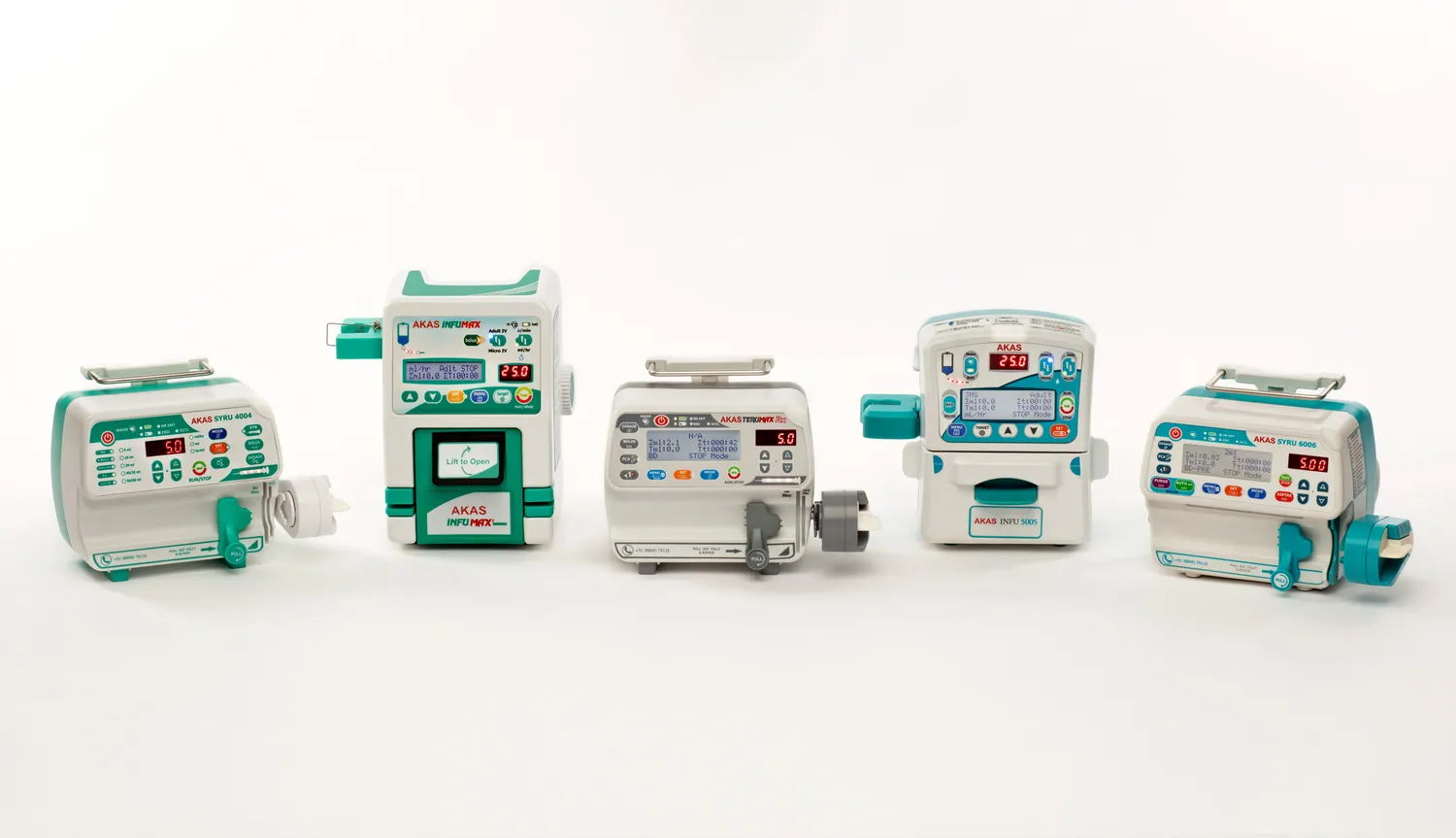
In modern healthcare, one of the most significant advances in patient care is the use of infusion pumps. These devices ensure the precise delivery of medications, fluids, and nutrients to patients in a controlled and efficient manner. The role of infusion pumps goes beyond just administering treatments; they help ensure safer and faster patient recovery by providing reliable, accurate, and consistent dosing.
1. Precision in Medication Delivery
Infusion pumps are designed to deliver exact amounts of fluids, medications, or nutrients into a patient's body, ensuring they receive the correct dose at the right time. This precision is critical for patients who need consistent and controlled medication, such as those in intensive care or undergoing chemotherapy.
Prevention of medication errors: With manual administration, there is a risk of human error in terms of dosage or timing. Infusion pumps reduce this risk by automating the delivery process.
Consistent delivery: The pumps are programmed to administer medication over a set period, ensuring that the patient receives the correct dosage at all times.
Customisable settings: Clinicians can adjust infusion rates to meet the unique needs of each patient, based on factors like age, weight, and health condition.
2. Enhancing Patient Safety
Safety is paramount in healthcare, and infusion pumps play a crucial role in improving patient safety. By ensuring that medications are delivered precisely as prescribed, they help reduce the risk of complications and adverse reactions.
Accurate monitoring: Infusion pumps allow healthcare providers to monitor the flow rate, volume, and duration of infusions in real-time. This monitoring provides an added layer of safety by alerting staff to potential issues.
Alarms and alerts: Modern infusion pumps are equipped with alarm systems that alert medical staff to any issues such as occlusions, air in the line, or flow interruptions. These alarms help prevent life-threatening situations before they escalate.
Minimising infection risk: By using sterile tubing and dedicated pumps, the risk of cross-contamination is greatly reduced. This is particularly important in settings like intensive care units or during surgeries.
3. Supporting Faster Recovery
The use of infusion pumps contributes to faster recovery by delivering medications and fluids in the most efficient and timely manner. For patients recovering from surgery, trauma, or severe illness, having the right medication at the right time can significantly speed up their healing process.
Continuous fluid therapy: Infusion pumps provide a steady and controlled delivery of fluids, ensuring patients stay hydrated and receive essential nutrients. This is especially important for patients unable to take oral fluids due to illness or surgery.
Pain management: Infusion pumps are often used for controlled pain relief through continuous or patient-controlled analgesia (PCA). This allows patients to manage their pain effectively, promoting comfort and a quicker return to normal activity.
Parenteral nutrition: For patients who cannot consume food orally, infusion pumps ensure that they receive the necessary nutrients intravenously. This is vital for those recovering from major surgery or serious conditions like cancer or gastrointestinal diseases.
4. Reducing Hospital Stays
Infusion pumps are not just about enhancing the immediate safety of patients; they also contribute to reducing the length of hospital stays. When medications and fluids are delivered efficiently, patients experience fewer complications and can recover more quickly, which helps them leave the hospital sooner.
Reduced risk of complications: Accurate medication delivery reduces the chances of under or overmedicating patients, which could lead to complications that prolong hospitalisation.
Faster recovery times: Infusion pumps assist in the quick and steady administration of medication, improving overall recovery rates and allowing patients to transition from acute to post-acute care more quickly.
Enhanced monitoring: Continuous monitoring of infusion pumps enables healthcare providers to respond swiftly to any signs of complications, preventing delays in treatment.
5. Improving Workflow Efficiency
Infusion pumps not only help patients but also improve the efficiency of healthcare providers. These devices help streamline hospital workflows by reducing the need for constant manual monitoring of intravenous therapies. This efficiency translates to more time for medical staff to attend to other patient care needs.
Reduced nurse workload: Infusion pumps reduce the time spent manually administering fluids and medications, allowing nurses and doctors to focus on other critical aspects of care.
Integrated systems: Many infusion pumps are now part of integrated healthcare systems, where they are connected to electronic health records (EHRs). This integration ensures that the infusion data is easily accessible, enhancing communication and coordination among the care team.
Automated documentation: Infusion pumps can automatically record data about the infusion process, making it easier for clinicians to track patient progress and medication history.
6. Patient Comfort and Autonomy
Patient comfort and autonomy are key components of a successful recovery process. Infusion pumps play a role in making the treatment experience more comfortable by offering flexibility and allowing patients more control over their care.
Patient-controlled analgesia (PCA): Infusion pumps allow patients to manage their own pain relief by pushing a button to administer a dose of medication when needed, providing them with a sense of control and reducing anxiety.
Minimising disruption: Infusion pumps are often smaller, quieter, and more portable than traditional methods, meaning they are less intrusive to the patient’s routine and environment. This contributes to a more peaceful recovery process.
Comfortable positioning: With the advent of portable infusion pumps, patients can be more mobile during their recovery, leading to improved mental and emotional wellbeing during hospitalisation.
Conclusion
Infusion pumps have proven to be invaluable tools in ensuring safer and faster patient recovery. From delivering precise doses of medications to enhancing patient comfort and safety, these devices play a vital role in improving outcomes across a range of medical conditions. For hospitals and clinics, choosing the right infusion pump supplier is crucial to maintaining high standards of care. Akas Infusion is a manufacturer of world-class drug delivery devices, such as volumetric pumps, that are designed to meet the diverse needs of healthcare providers and ensure patient safety and comfort at every stage of treatment.