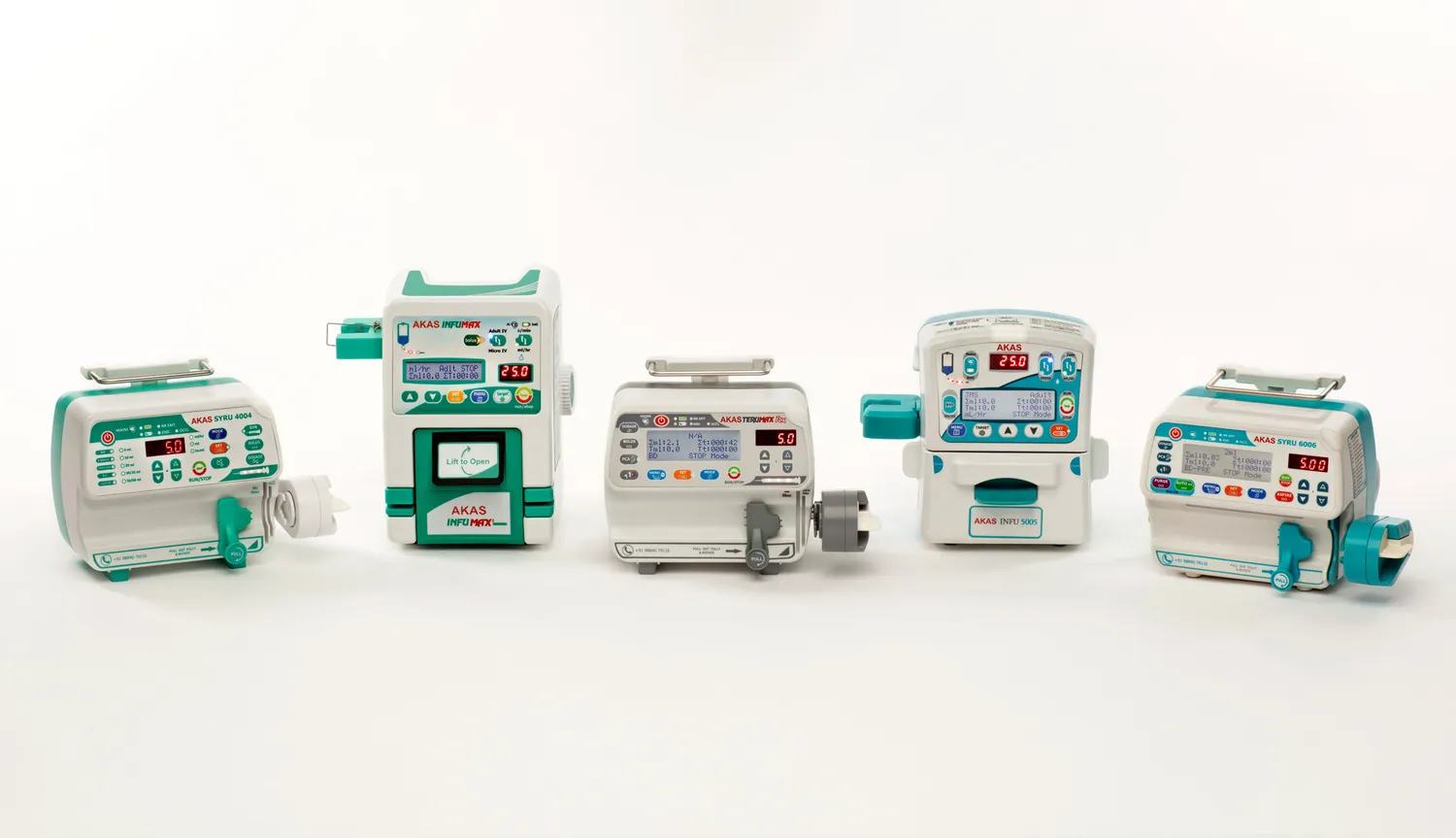
When selecting a syringe pump for a hospital, the decision can significantly impact patient care and overall healthcare efficiency. Syringe pumps are used in a variety of medical settings, including intensive care units (ICU), emergency departments, and oncology clinics, where accurate medication delivery is crucial. Understanding the key features to look for when choosing a syringe pump will ensure that healthcare providers can rely on the equipment for safe and effective drug administration.
Precision and Accuracy in Drug Delivery
Syringe pumps are designed to deliver medication with precise control over the dosage. The accuracy of the pump is paramount, particularly in critical care where even the slightest variation in drug delivery can have significant consequences. Ensure that the syringe pump offers high accuracy with minimal deviation from set parameters, which guarantees consistent drug administration over the prescribed period. This helps in avoiding over or under-infusion, ensuring that patients receive the correct medication dose at the right time.
Ease of Use and Interface Design
A user-friendly interface is essential when selecting a syringe pump. Healthcare professionals often work under pressure, and devices with a complex, hard-to-navigate interface can increase the risk of user error. A good syringe pump should feature a clear, intuitive display, with easily accessible settings for infusion rates, volume, and alarm thresholds. The keypad or touch screen should allow quick adjustments and the ability to review patient data efficiently. Additionally, many syringe infusion pump suppliers offer devices that feature touchscreen displays, which can simplify operations and improve speed in high-pressure situations.
Durability and Reliability
Hospitals and medical institutions rely on their equipment to perform consistently under all conditions. The syringe pump must be built to withstand continuous use in busy hospital settings. Durability is a key consideration, especially for pumps used in high-demand areas like ICU and emergency departments. Look for pumps that have been designed with robust materials that can endure repeated handling, and ensure they are resistant to the wear and tear of daily operations. Reliability is equally important; the syringe pump should function correctly without frequent malfunctions or maintenance requirements.
Safety Features and Alarms
Patient safety is always the primary concern in medical care. Therefore, it’s critical to select a syringe pump that incorporates built-in safety features. These include pressure sensors, air-in-line alarms, and occlusion detection systems that help prevent potentially harmful issues like blocked lines or inaccurate medication delivery. Alarm systems should be both visible and audible, ensuring that any problems are immediately detected. Furthermore, a well-designed syringe pump should have fail-safe mechanisms that alert staff to any issues, allowing them to take corrective action promptly.
Compatibility with Various Syringe Sizes
Syringe pumps are available in various sizes to accommodate different syringe volumes, depending on the type of medication being delivered. When choosing a syringe pump, ensure that it is compatible with the specific syringe sizes commonly used in your hospital. The pump should allow for seamless integration with both standard and specialty syringes, ensuring flexibility in medication administration. This is especially important in healthcare settings where medications vary in concentration and volume, and a universal system can enhance overall operational efficiency.
Infusion Rate Control and Adjustability
Having the ability to control and adjust the infusion rate is another vital feature when selecting a syringe pump. Infusion rates should be adjustable to cater to different types of treatments, whether slow and continuous or fast and concentrated. Look for pumps that offer fine control over these rates, allowing precise adjustments as required by the patient's condition. A high degree of flexibility in this area ensures that the syringe pump can accommodate a wide range of clinical scenarios, from administering sedatives in critical care to controlled pain relief in post-operative care.
Portability and Size
In hospitals, space can be limited, and equipment often needs to be moved between different departments or bedside locations. A compact, portable syringe pump design is ideal for situations where mobility is necessary. Ensure that the pump is lightweight and ergonomically designed, making it easy to transport and place in different hospital areas. Furthermore, a compact design can help free up precious space in tightly packed units, such as emergency rooms or intensive care units, while still providing full functionality.
Battery Life and Power Backup
Battery life is an essential consideration, particularly when using syringe pumps in settings where power outages may occur, or if mobility is required. Ensure that the syringe pump has a long-lasting, reliable battery that can support long shifts without requiring frequent recharging. In addition, a good syringe pump should include a power backup option, ensuring uninterrupted service in case of power failure. This feature is vital in high-dependency areas where continuous medication infusion is crucial for patient stability.
Service and Support from Syringe Infusion Pump Suppliers
When selecting a syringe pump, it’s important to partner with reputable syringe infusion pump suppliers who offer strong after-sales support. This includes product warranty, training for healthcare staff, and access to troubleshooting and technical assistance when needed. Quality suppliers should also provide regular maintenance services, ensuring that the pumps continue to perform optimally throughout their lifespan. Hospitals must have access to quick response services to reduce any downtime and ensure that equipment remains in top condition, especially when handling critical patient care.
Cost-effectiveness and Long-term Value
Hospitals must be mindful of budgets when choosing medical equipment, and syringe pumps are no exception. However, choosing a pump based solely on initial cost can sometimes lead to higher long-term expenses, particularly if the device requires frequent repairs or lacks durability. Instead, focus on long-term value, considering factors like ease of maintenance, reliability, and lifespan. While it may be tempting to choose the most affordable option, investing in a higher-quality syringe pump can reduce the total cost of ownership over time and help avoid unnecessary costs associated with poor performance.
Conclusion:
When selecting a syringe pump for hospitals, there are many factors to consider, from precision and safety features to user interface and cost-effectiveness. By focusing on the essential attributes, such as ease of use, reliability, and compatibility with various syringes, hospitals can ensure they make an informed choice that will provide the best possible patient care.
Akas infusion manufactures world-class drug delivery devices like volumetric pumps, providing hospitals with reliable, precise, and innovative solutions for their infusion needs.