Introduction
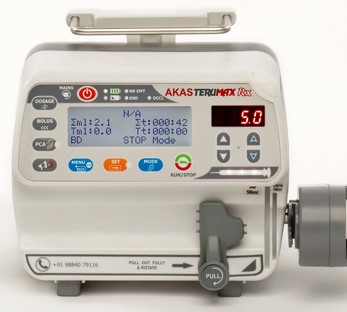
In modern healthcare, the use of syringe pumps has revolutionized the way medications are administered to patients. These devices, designed to precisely control the infusion of fluids and drugs, have traditionally been crucial in medical settings like intensive care units and operating theatres. However, with the rise of smart technologies, syringe pumps are evolving into even more powerful tools. Connectivity features in modern syringe pumps allow for integration with hospital networks, patient monitoring systems, and real-time data tracking, thereby enhancing medication management and patient safety.
The Role of Connectivity in Syringe Pumps
The integration of connectivity in syringe pumps brings numerous benefits to healthcare institutions. With wireless capabilities, these devices can now communicate directly with hospital information systems, enabling seamless data sharing between devices, healthcare providers, and medical records.
- Real-Time Monitoring:
- Smart syringe pumps allow for real-time monitoring of medication delivery, providing healthcare professionals with instant updates on the patient's treatment progress.
- Remote Access:
- Doctors and nurses can access syringe pump data remotely, which is particularly useful in critical care settings. This helps ensure that adjustments can be made promptly, without the need for staff to be physically present by the patient’s bedside.
- Data Integration:
- Smart syringe pumps can integrate with electronic health records (EHR) systems, allowing for more accurate and up-to-date patient information. This reduces the chances of errors and streamlines the workflow.
Enhanced Patient Safety
One of the most significant advantages of connected syringe pumps is the enhancement of patient safety. Traditional syringe pumps require manual programming, which can sometimes result in errors such as incorrect dosages or infusion rates. With smart syringe pumps, many of these risks are minimized.
- Automated Alerts and Alarms:
- These pumps can be programmed to automatically alert healthcare staff if a medication is being delivered at the wrong rate or if there is any deviation from the prescribed parameters.
- Error Reduction:
- The infusion rate and drug concentrations are continuously monitored, which helps to reduce human errors associated with manual adjustments or missed doses.
- Patient-Specific Customization:
- Connected syringe pumps can store patient-specific medication protocols, ensuring that the correct dosages and infusion rates are always used based on the patient’s medical history and current condition.
Improving Workflow Efficiency
Hospitals are often fast-paced environments, and efficiency is key to providing quality patient care. Smart syringe pumps contribute to workflow improvements in several ways.
- Time-Saving Automation:
- By automating data entry and infusion monitoring, smart syringe pumps reduce the administrative burden on healthcare staff. This allows them to focus more on direct patient care, improving overall service quality.
- Seamless Data Sharing:
- Connectivity enables seamless communication between devices and hospital management systems. As a result, staff can easily track and document medication delivery without duplicating efforts.
- Centralized Control:
- Healthcare institutions can manage multiple syringe pumps from a central location, ensuring that all devices are functioning properly and meeting treatment protocols. This can be especially beneficial in large hospitals with many critical care patients.
Enhancing Accuracy in Medication Delivery
Accuracy in medication administration is paramount in patient care, and smart syringe pumps are designed to help healthcare providers maintain the highest standards of precision.
- Precise Infusion Control:
- These pumps offer precise control over drug delivery rates, reducing the risk of over or under-infusion, which can have serious consequences for patients.
- Automatic Dose Calculation:
- Connected syringe pumps often come equipped with automatic dose calculation features that factor in variables like weight and age. This allows for more personalized and accurate drug delivery, particularly in pediatric or geriatric care.
- Continuous Feedback:
- Real-time data tracking provides continuous feedback on infusion progress, allowing for immediate corrections if needed.
Streamlining Compliance and Reporting
Ensuring compliance with hospital protocols, legal requirements, and best practices is crucial in medical environments. Smart syringe pumps can support compliance in the following ways:
- Audit Trails:
- Connected pumps create digital logs of all administered doses, infusion rates, and adjustments. These records are valuable for both clinical audits and legal documentation.
- Regulatory Compliance:
- Many smart syringe pumps are designed to meet stringent regulatory standards, making it easier for hospitals to maintain compliance with healthcare regulations such as the FDA and CE standards.
- Real-Time Reporting:
- The ability to generate real-time reports ensures that hospital administrators and clinicians are always up to date on medication delivery trends and patient responses.
Benefits in Specific Healthcare Areas
Smart syringe pumps are particularly beneficial in specialized areas of healthcare. Some notable areas of application include:
- Intensive Care Units (ICU):
- In the ICU, where patients require continuous monitoring and precise medication administration, smart syringe pumps can play a pivotal role in managing critical patients' care.
- Pediatric and Neonatal Care:
- The ability to precisely control medication dosage based on the patient’s size and weight is crucial in pediatric and neonatal care. Smart syringe pumps ensure that young patients receive the correct amount of medication.
- Cancer Treatment:
- In oncology, syringe pumps are commonly used for chemotherapy. The ability to deliver highly precise and controlled doses over a prolonged period is essential for safe and effective treatment.
Conclusion
The integration of connectivity into syringe pumps is transforming medication management in hospitals and healthcare institutions. By improving patient safety, enhancing workflow efficiency, and ensuring accurate medication delivery, smart syringe pumps are making significant contributions to the quality of care.
As healthcare continues to evolve, the need for advanced medical devices that integrate seamlessly with hospital systems will only increase. Akas Infusion manufactures world-class drug delivery devices, such as volumetric pumps, that are at the forefront of this technological revolution, providing reliable and precise medication administration solutions for healthcare providers around the world.