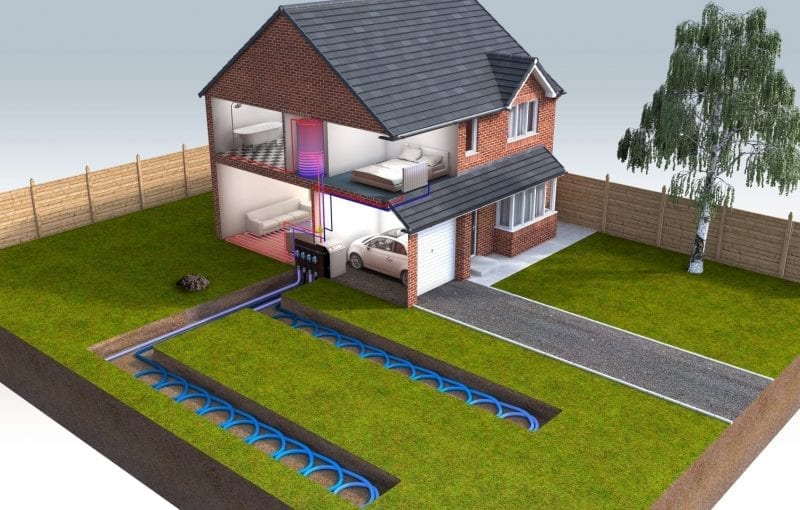
Introduction to Ground Loop Heat Pumps
Ground loop heat pumps, also known as geothermal heat pumps, are a highly efficient and eco-friendly method for heating and cooling buildings. These systems utilize the stable temperatures found below the Earth’s surface to transfer heat, providing a reliable and sustainable energy solution. As the world moves towards greener energy alternatives, ground loop heat pumps are becoming increasingly popular for both residential and commercial applications.
How Ground Loop Heat Pumps Work
Ground loop heat pumps operate on the principle of heat exchange with the ground. The system consists of three main components: the ground loop, the heat pump, and the distribution system. The ground loop, buried beneath the ground, absorbs or dissipates heat depending on the season. The heat pump then transfers this heat between the ground and the building, providing heating in the winter and cooling in the summer.
Components of a Ground Loop Heat Pump System
- Ground Loop: This is a network of pipes buried underground, either horizontally or vertically. The pipes are filled with a heat transfer fluid, usually a mixture of water and antifreeze, which absorbs heat from the ground during the winter and dissipates heat into the ground during the summer.
- Heat Pump: The heat pump extracts heat from the ground loop and amplifies it to a usable temperature. It operates similarly to a refrigerator but in reverse, moving heat from one place to another.
- Distribution System: This system distributes the heated or cooled air throughout the building. It can include radiators, underfloor heating, or a forced air system.
Types of Ground Loop Configurations
Horizontal Ground Loops
Horizontal ground loops are typically installed in trenches that are 4 to 6 feet deep. This configuration is suitable for residential properties with ample land. The installation process involves digging trenches and laying the pipes in a series of parallel loops. Horizontal loops are generally less expensive to install but require more land area.
Vertical Ground Loops
Vertical ground loops are installed in boreholes drilled 100 to 400 feet deep. This configuration is ideal for properties with limited land space or where the soil is unsuitable for horizontal loops. Vertical loops are more expensive to install due to the drilling process but require less land area and can be more efficient in certain geological conditions.
Pond/Lake Loops
For properties with access to a body of water, pond or lake loops can be an efficient and cost-effective option. Pipes are submerged in the water, where they can exchange heat with the stable temperatures of the water body. This configuration requires less excavation and can be highly efficient, but it depends on the availability of a suitable water source.
Benefits of Ground Loop Heat Pumps
Energy Efficiency
Ground loop heat pumps are highly energy-efficient, often achieving efficiencies of 300-600%. This means that for every unit of electricity used to operate the system, three to six units of heat are generated. This high efficiency translates to lower energy consumption and reduced utility bills.
Environmental Benefits
Ground loop heat pumps are an environmentally friendly heating and cooling solution. They produce significantly fewer greenhouse gas emissions compared to traditional fossil fuel-based systems. By utilizing the Earth's natural heat, ground loop heat pumps contribute to a reduction in carbon footprint and promote sustainable energy use.
Cost Savings
While the initial installation cost of ground loop heat pumps can be higher than conventional systems, the long-term savings are substantial. Reduced energy consumption leads to lower utility bills, and many governments offer incentives and rebates for installing renewable energy systems, further offsetting the initial costs.
Reliability and Longevity
Ground loop heat pumps are known for their reliability and longevity. The underground components have a lifespan of 50 years or more, while the heat pump can last up to 25 years with proper maintenance. This durability ensures a long-term, hassle-free heating and cooling solution.
Installation Process of Ground Loop Heat Pumps
Site Assessment
Before installation, a thorough site assessment is essential. Factors such as soil type, ground temperature, and available space for the ground loop must be considered. A professional installer will evaluate these factors to determine the most efficient system configuration for the property.
Design and Sizing
Proper design and sizing of the system are crucial for optimal performance. A well-designed system ensures that the heat pump and ground loop are correctly matched to the heating and cooling demands of the building. This process involves detailed calculations and often requires the expertise of a professional installer.
Installation Steps
- Excavation and Drilling: Depending on the chosen ground loop configuration, trenches are dug, or boreholes are drilled. This step requires heavy machinery and should be conducted by experienced professionals.
- Ground Loop Installation: The ground loop pipes are laid in the trenches or boreholes and connected to the heat pump. The pipes are then filled with a heat transfer fluid, typically a mixture of water and antifreeze.
- Heat Pump Installation: The heat pump is installed inside the building and connected to the ground loop. Electrical and plumbing connections are made to integrate the heat pump with the building's heating and cooling distribution system.
- System Commissioning: The system is tested to ensure proper operation. This includes checking for leaks, verifying fluid flow, and calibrating the heat pump for optimal performance.
Maintenance and Operation
Regular Maintenance
Ground loop heat pumps require regular maintenance to ensure efficient operation. This includes checking the heat pump, ground loop, and distribution system for any signs of wear or damage. Regular maintenance can help prevent issues and extend the lifespan of the system.
Monitoring System Performance
Monitoring the system's performance is crucial to maintaining its efficiency. Property owners should keep an eye on energy consumption, fluid levels in the ground loop, and the performance of the heat pump. Any significant changes in these parameters should be investigated by a professional.
Challenges and Considerations
Initial Costs
The initial cost of installing a ground loop heat pump system can be a barrier for some property owners. However, it is essential to consider the long-term savings and potential financial incentives when evaluating the overall cost.
Site Suitability
Not all sites are suitable for ground loop heat pump systems. Factors such as available land, soil conditions, and groundwater levels can impact the feasibility of installation. A thorough site assessment is crucial to determine if a ground loop heat pump system is a viable option.
Environmental Impact
While ground loop heat pumps are generally environmentally friendly, there are some concerns related to the extraction process. These include the potential for induced seismic activity and the release of trace amounts of harmful gases from geothermal reservoirs. Proper management and mitigation strategies are essential to address these concerns.
Conclusion
Ground loop heat pumps are a sustainable, efficient, and reliable solution for heating and cooling buildings. By leveraging the Earth's natural heat, these systems offer significant energy savings, environmental benefits, and long-term cost reductions. As technology continues to advance, ground loop heat pumps will play an increasingly important role in our transition to a more sustainable energy future.