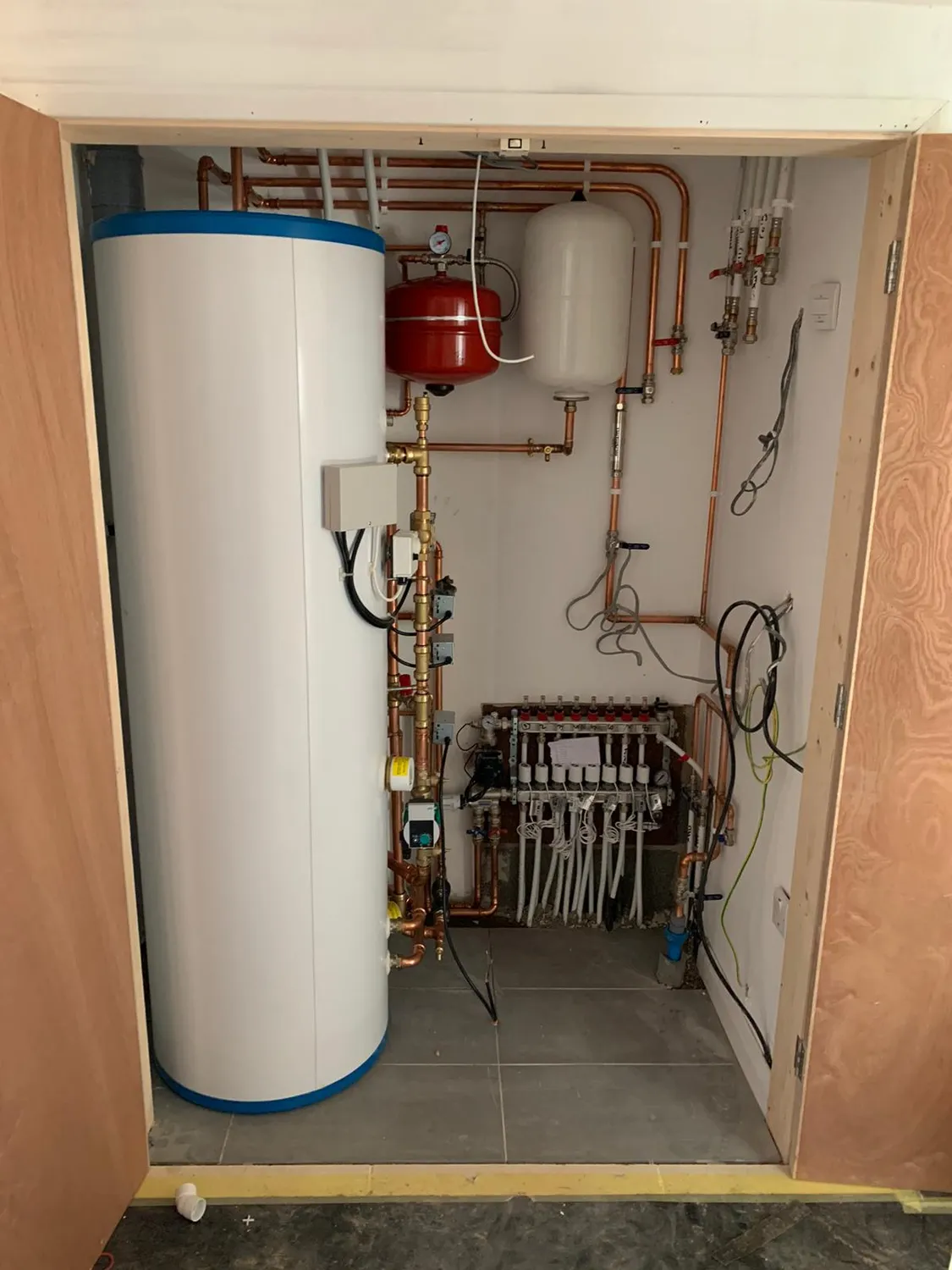
Air source heat pump cylinders are a cornerstone of modern heating systems, offering an eco-friendly, efficient solution for hot water needs. While the theory behind these systems is rooted in sustainable engineering, their true value emerges when implemented in real-world scenarios. Let’s explore how air source heat pump cylinders function in practice, delivering on their promises of efficiency, reliability, and environmental benefits.
How Do Air Source Heat Pump Cylinders Work?
At the heart of the system is the air source heat pump, which extracts heat from the air, even in sub-zero temperatures. This heat is transferred to water stored in a specially designed cylinder, ensuring an efficient supply of hot water for domestic or commercial use.
Key processes include:
- Heat Extraction: The pump absorbs thermal energy from the air using a refrigerant.
- Compression and Transfer: The refrigerant is compressed, increasing its temperature, and this heat is transferred to the water in the cylinder.
- Storage and Distribution: The cylinder stores the heated water, ready for immediate use across taps, showers, or underfloor heating systems.
Applications of Air Source Heat Pump Cylinders
1. Residential Homes
In homes, air source heat pump cylinders provide an energy-efficient solution for daily hot water needs.
- Scenario: A family of four uses a 250L cylinder to meet their water demands for showers, dishwashing, and heating.
- Outcome: The system reduces energy bills by up to 50% compared to traditional boilers.
- Integration: Works seamlessly with underfloor heating, maintaining a comfortable indoor climate.
2. Commercial Buildings
Hotels, gyms, and office buildings benefit greatly from the scalability of these systems.
- Scenario: A small hotel installs multiple 300L cylinders to cater to guests’ hot water needs.
- Outcome: Consistent hot water supply, even during peak demand periods, while keeping operational costs low.
3. Off-Grid Properties
Air source heat pump cylinders are ideal for properties in remote areas with limited access to gas or traditional energy sources.
- Scenario: A rural farmhouse combines a heat pump cylinder with solar panels.
- Outcome: Achieves energy independence and reduces reliance on fossil fuels.
Efficiency in Real-Life Conditions
While theoretical efficiency ratings are impressive, real-world performance is what truly matters. Air source heat pump cylinders excel in:
- Cold Climates: Designed to function even in temperatures as low as -20°C, ensuring consistent performance throughout the year.
- Energy Recovery: Advanced insulation and heat exchangers reduce energy loss, maximizing system efficiency.
- Demand Fluctuations: Rapid recovery times ensure sufficient hot water during peak usage periods.
Cost-Effectiveness Over Time
Initial Investment vs. Long-Term Savings
While the upfront cost of an air source heat pump cylinder might be higher than traditional systems, the long-term financial benefits are undeniable.
- Energy Savings: Reduces electricity or gas consumption by up to 60%.
- Maintenance: Durable materials and smart diagnostics minimize repair costs.
- Incentives: Many governments offer grants or tax credits for adopting renewable energy solutions.
Challenges in Practical Use and Solutions
1. Space Requirements
- Challenge: Installing a cylinder and heat pump may require additional space.
- Solution: Opt for compact or slimline models designed for smaller properties.
2. Initial Costs
- Challenge: Higher upfront investment compared to traditional systems.
- Solution: Leverage government subsidies and calculate long-term savings to justify the expense.
3. Installation Complexity
- Challenge: Requires professional installation to ensure optimal performance.
- Solution: Work with certified installers who specialize in renewable energy systems.
Real-World Examples of Success
Case Study 1: Urban Eco-Friendly Home
- Project: Retrofitting a Victorian-era home with an air source heat pump cylinder.
- Results: Achieved a 40% reduction in energy bills and increased property value.
- Additional Features: Integrated with a smart home system for remote monitoring.
Case Study 2: Hospitality Sector Adoption
- Project: A boutique hotel replaced its aging boiler system with multiple heat pump cylinders.
- Results: Reduced annual energy costs by 30% while enhancing guest satisfaction with consistent hot water supply.
Why Air Source Heat Pump Cylinders Are the Future
From theory to practice, air source heat pump cylinders deliver on their promise of sustainability, efficiency, and practicality. Their versatility across residential, commercial, and off-grid applications ensures they are a forward-thinking choice for diverse needs.
By choosing this technology, users not only benefit from reduced energy costs but also contribute to a greener planet. As these systems continue to evolve, their impact on energy efficiency and carbon reduction will only grow.