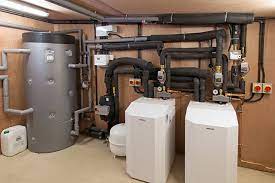
As energy-efficient technologies gain traction, air source heat pumps (ASHPs) have become a popular solution for heating homes and providing hot water. A critical component that enhances their efficiency is the air source heat pump cylinder, designed specifically to simplify hot water storage and optimize energy usage. This article delves into how these cylinders function, their benefits, and why they are an essential part of modern hot water systems.
What Are Air Source Heat Pump Cylinders?
Air source heat pump cylinders are specialized water storage tanks that work in conjunction with air source heat pumps. They are designed to store hot water efficiently, leveraging the lower operating temperatures of heat pumps compared to conventional boilers. These cylinders ensure a consistent hot water supply while minimizing energy loss and maximizing the performance of the heat pump system.
How Do Air Source Heat Pump Cylinders Work?
The operation of an air source heat pump cylinder revolves around three key stages:
- Heat Collection: The heat pump extracts thermal energy from the outside air, even in colder climates, and uses it to heat a refrigerant.
- Energy Transfer: The heated refrigerant circulates through a heat exchanger, transferring its energy to the water stored in the cylinder.
- Hot Water Storage: The cylinder stores the heated water, keeping it at a stable temperature with minimal heat loss, ready for use when needed.
This process eliminates the need for continuous heat pump operation, improving energy efficiency and ensuring that hot water is available on demand.
Key Features of Air Source Heat Pump Cylinders
1. High-Grade Insulation
Modern air source heat pump cylinders feature advanced insulation materials, such as polyurethane foam, which minimize heat loss and maintain water temperature over extended periods.
2. Thermostatic Controls
Integrated thermostats allow precise temperature regulation, ensuring consistent water heating without wasting energy.
3. Twin-Coil Options
Some cylinders are equipped with twin coils, allowing integration with additional energy sources such as solar thermal systems for enhanced efficiency.
4. Corrosion Resistance
Constructed from stainless steel or other durable materials, these cylinders are resistant to corrosion, ensuring a longer lifespan and reduced maintenance needs.
5. Compact Designs
With space efficiency in mind, many cylinders are designed to fit seamlessly into modern homes, making them an ideal choice for properties with limited space.
Benefits of Air Source Heat Pump Cylinders
1. Improved Energy Efficiency
Air source heat pump cylinders are tailored to complement the efficiency of heat pumps, storing hot water effectively and reducing the need for reheating.
2. Cost Savings
By minimizing energy waste and optimizing heat pump performance, these cylinders help homeowners save on utility bills over time.
3. Sustainable Heating Solution
When paired with renewable energy sources, such as solar panels, these cylinders contribute to a more sustainable home heating system, lowering reliance on non-renewable energy.
4. Reliable Hot Water Supply
Air source heat pump cylinders ensure a consistent and reliable supply of hot water, even during peak demand periods.
5. Reduced Carbon Footprint
By utilizing renewable heat sources and operating efficiently, these cylinders significantly lower carbon emissions compared to traditional heating systems.
Simplifying Hot Water Storage for Different Applications
1. Residential Homes
For homeowners, air source heat pump cylinders provide a dependable source of hot water for daily activities, including bathing, cleaning, and cooking.
2. Commercial Properties
In settings such as hotels, restaurants, and office buildings, these cylinders handle higher demand efficiently, ensuring a steady hot water supply while controlling operational costs.
3. Integration with Renewable Systems
Air source heat pump cylinders are designed to work seamlessly with renewable technologies like solar thermal panels, making them a versatile choice for eco-conscious property owners.
Installation Considerations
1. Sizing the Cylinder
Choosing the right cylinder size is essential to meet your household or property’s hot water demands. Undersized cylinders can lead to insufficient hot water, while oversized models may result in unnecessary energy use.
2. Placement
Air source heat pump cylinders should be installed in an accessible location, such as a utility room or airing cupboard, where they can be insulated effectively and maintained easily.
3. Professional Installation
Hiring a qualified technician ensures proper installation, compliance with local regulations, and optimal system performance.
Maintenance Tips for Longevity
1. Regular Inspection
Conduct regular checks to ensure the insulation, thermostatic controls, and pressure valves are functioning properly.
2. Descaling
In areas with hard water, routine descaling prevents limescale buildup, which can impact efficiency and reduce the lifespan of the cylinder.
3. Flushing the System
Periodically flushing the system removes sediment and maintains water quality, ensuring consistent performance.
Why Air Source Heat Pump Cylinders Are the Future of Hot Water Systems
Air source heat pump cylinders represent the next step in efficient and sustainable hot water storage. Their advanced features, ability to integrate with renewable energy systems, and reliability make them a cornerstone of modern HVAC solutions. For homeowners and businesses alike, these cylinders simplify hot water storage while delivering substantial energy and cost savings.
Conclusion
Air source heat pump cylinders are more than just storage tanks—they are pivotal in enhancing the performance and sustainability of hot water systems. By investing in a high-quality cylinder, homeowners can enjoy reliable hot water, reduced energy costs, and a greener footprint. Simplify your hot water needs with an air source heat pump cylinder and join the movement toward smarter, more sustainable living.