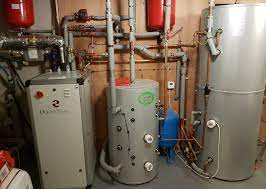
Air source heat pump cylinders have become an essential component in energy-efficient heating systems. By integrating cutting-edge technology, these systems harness renewable energy to heat water and homes effectively. Below is an in-depth guide to ensure a seamless air source heat pump cylinder installation.
What Is an Air Source Heat Pump Cylinder?
An air source heat pump cylinder is a hot water storage solution that works in tandem with an air source heat pump. Unlike conventional water heaters, this system absorbs ambient heat from the air, converting it into usable energy for heating water. This makes it an eco-friendly and cost-effective alternative to traditional systems.
Benefits of Installing an Air Source Heat Pump Cylinder
- Energy Efficiency: These systems reduce electricity consumption significantly.
- Cost Savings: Lower energy bills due to optimized energy use.
- Eco-Friendly: Reduces carbon footprint and reliance on fossil fuels.
- Versatility: Compatible with underfloor heating, radiators, and more.
- Durability: Designed to last for decades with proper maintenance.
Step-by-Step Guide to Air Source Heat Pump Cylinder Installation
1. Planning the Installation
Assess Your Property
Before installation, evaluate the property’s suitability for an air source heat pump cylinder. Factors include:
- Available space for the cylinder.
- Existing plumbing system compatibility.
- Proximity to the air source heat pump unit.
Choosing the Right System
Select a cylinder with the appropriate capacity to meet your household’s hot water demands. Common sizes range from 150 liters to 300 liters, depending on household size.
2. Preparing the Site
Location Selection
- Place the cylinder close to the air source heat pump unit to minimize energy loss.
- Ensure proper ventilation around the unit to maintain efficiency.
Electrical and Plumbing Requirements
- Confirm that the electrical system meets the load requirements of the heat pump.
- Verify the plumbing layout for compatibility and accessibility.
3. Installing the Cylinder
Mounting the Cylinder
- Install the cylinder on a flat, stable surface to avoid vibrations.
- Secure the unit to comply with safety and manufacturer guidelines.
Connecting to the Air Source Heat Pump
- Use insulated pipes to connect the cylinder to the heat pump.
- Install a control valve to regulate water flow.
- Ensure all connections are sealed to prevent leaks.
4. Setting Up the Heating System
Integration with Existing Systems
- Connect the cylinder to the underfloor heating or radiator systems.
- Incorporate a thermostat for precise temperature control.
Commissioning the System
- Fill the cylinder with water and test for leaks.
- Set the desired temperature and pressure levels.
Key Considerations for Successful Installation
Regulatory Compliance
Ensure the installation complies with local building codes and standards. Hiring a certified installer guarantees adherence to regulations.
Insulation
Proper insulation of pipes and the cylinder minimizes heat loss and improves efficiency.
Maintenance Access
Install the cylinder in a location that allows easy access for servicing and repairs.
Common Challenges and Solutions
Noise Levels
- Challenge: Air source heat pumps may produce noise.
- Solution: Install noise-dampening materials and position the unit away from living spaces.
Cold Weather Performance
- Challenge: Efficiency drops in extremely cold climates.
- Solution: Choose a heat pump designed for low temperatures and ensure proper insulation.
System Sizing
- Challenge: An undersized system may not meet demand.
- Solution: Conduct a professional assessment to select the right cylinder size.
Cost of Air Source Heat Pump Cylinder Installation
Breakdown of Costs
- Equipment: Cylinder prices range from $1,000 to $3,000.
- Installation: Professional installation costs between $2,000 and $5,000.
- Additional Components: Insulated pipes, thermostats, and valves can add $500 to $1,000.
Financing Options
Explore government incentives, grants, or financing programs to offset costs. Many regions offer subsidies for renewable energy installations.
Maintenance Tips for Longevity
- Regular Inspections: Check for leaks and ensure all components function optimally.
- Clean Filters: Replace or clean air filters to maintain efficiency.
- Monitor Performance: Use a smart thermostat to track energy usage and performance.
- Professional Servicing: Schedule annual maintenance by a certified technician.
Why Choose an Air Source Heat Pump Cylinder?
Switching to an air source heat pump cylinder is a smart investment for homeowners prioritizing sustainability and energy efficiency. Its ability to reduce energy costs while minimizing environmental impact makes it a top choice for modern households.