Introduction: Embracing Sustainability in Hampshire
As the world grapples with the pressing need to address climate change, Hampshire stands as a beacon of commitment towards achieving net-zero emissions. Central to this mission is the adoption of air source heat pumps (ASHPs), a revolutionary technology that not only reduces carbon footprints but also enhances energy efficiency in homes and businesses.
What Are Air Source Heat Pumps?
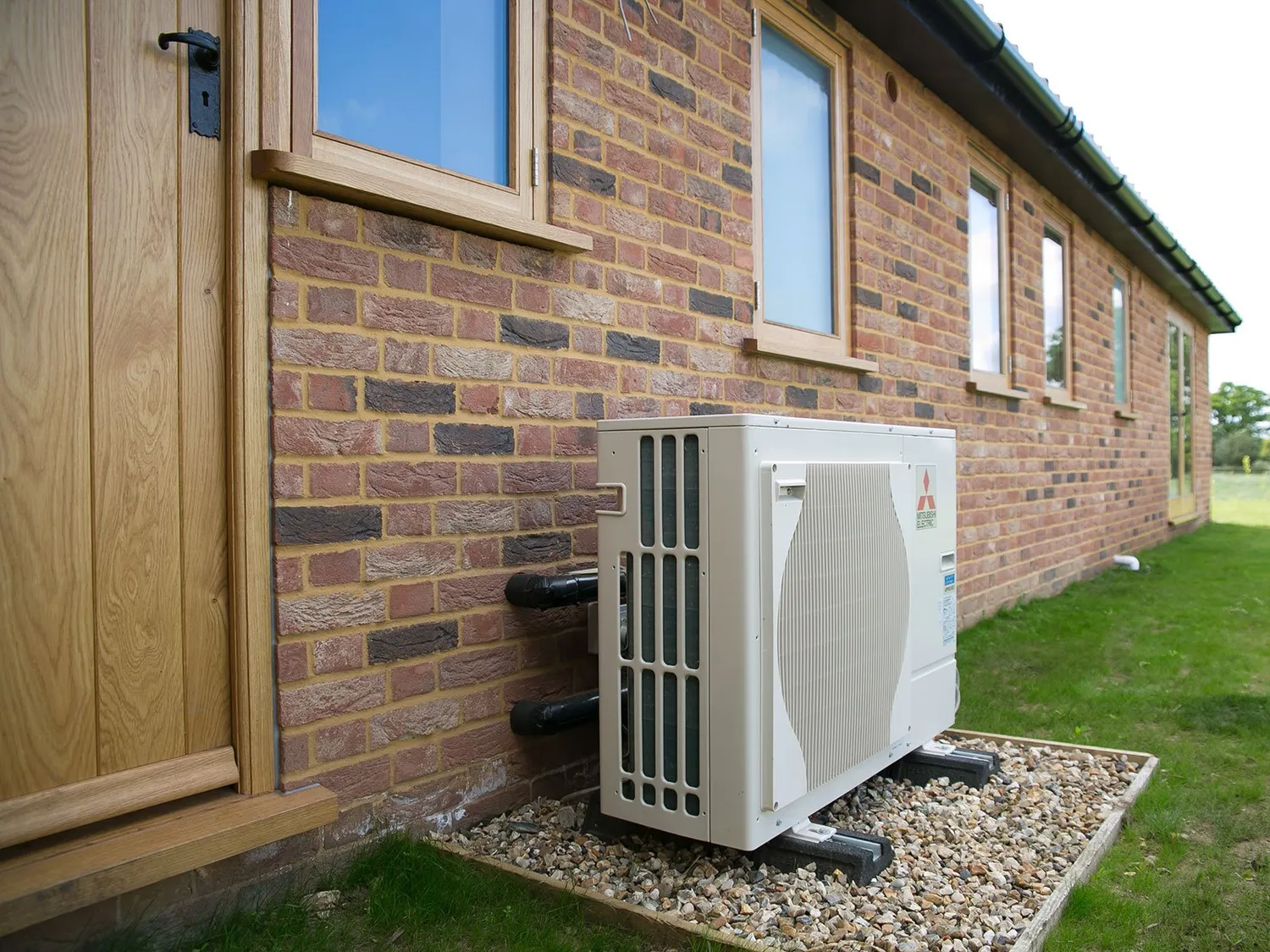
Air source heat pumps are innovative devices that extract heat from the outside air to warm buildings or provide hot water. Operating even in sub-zero temperatures, ASHPs use a process similar to refrigeration but in reverse. This energy-efficient technology offers an environmentally friendly alternative to traditional heating systems such as gas or oil boilers.
Key benefits of ASHPs include:
- Energy efficiency: ASHPs can deliver up to three times the energy they consume.
- Reduced carbon emissions: Transitioning to ASHPs can significantly cut greenhouse gas emissions.
- Versatility: These systems are suitable for heating, cooling, and water heating.
Why Air Source Heat Pumps Are Vital for Hampshire’s Net-Zero Goal
1. Reduction in Carbon Footprint
Hampshire’s commitment to sustainability hinges on reducing dependency on fossil fuels. ASHPs align perfectly with this objective by leveraging renewable energy sources. When powered by green electricity, these systems become entirely carbon-neutral, making them a cornerstone in the region’s climate action plan.
2. Energy Efficiency Meets Cost Savings
Adopting ASHPs is not just an ecological decision but an economic one. With rising energy costs, these systems provide significant savings on energy bills over time. Hampshire households can also benefit from government incentives such as the Boiler Upgrade Scheme (BUS), further lowering installation costs.
3. Adaptability to Hampshire’s Climate
Hampshire’s moderate climate is ideal for the efficient functioning of ASHPs. Even during colder months, these systems maintain consistent performance, ensuring comfort while reducing energy consumption.
The Installation Process: What Hampshire Residents Need to Know
Step 1: Site Assessment
A professional installer evaluates the property to determine the suitability of ASHPs. Factors like insulation, building size, and existing heating systems are considered.
Step 2: Choosing the Right System
Hampshire residents have access to various ASHP models, including air-to-air and air-to-water systems. The choice depends on specific heating and cooling needs.
Step 3: Installation
The installation process typically takes 2-5 days, depending on the complexity. Modern ASHPs are designed to integrate seamlessly with existing systems, minimizing disruptions.
Step 4: Maintenance
Regular maintenance ensures optimal performance. Routine checks, cleaning filters, and occasional servicing are all that’s needed to keep ASHPs running efficiently for years.
Government Incentives and Support for ASHP Adoption in Hampshire
The UK government’s Boiler Upgrade Scheme provides grants to encourage the transition to low-carbon heating systems. Hampshire residents can claim up to £5,000 towards the cost of installing an ASHP. Additionally, reduced VAT rates on energy-saving technologies make these systems more accessible.
Overcoming Challenges: Common Concerns Addressed
Initial Costs
While upfront costs for ASHPs can be higher than traditional systems, government incentives and long-term savings mitigate these expenses. Financing options are also available to spread the cost over time.
Noise Levels
Modern ASHPs are designed with advanced noise-reduction features, making them suitable even for densely populated areas in Hampshire.
Space Requirements
Though ASHPs require some outdoor space, compact models are available for homes with limited room. Proper planning ensures optimal placement without compromising aesthetics.
The Broader Impact on Hampshire’s Community
Job Creation
The growing demand for ASHPs has spurred job opportunities in Hampshire. From manufacturing to installation and maintenance, this sector is fostering local employment.
Enhanced Property Value
Homes equipped with sustainable technologies like ASHPs are increasingly attractive to buyers, boosting property values across Hampshire.
Community Resilience
By reducing reliance on fossil fuels, Hampshire becomes less vulnerable to global energy market fluctuations, ensuring a more stable and secure energy future.
Case Studies: Success Stories in Hampshire
Residential Adoption in Winchester
A family in Winchester replaced their aging oil boiler with an air-to-water ASHP, reducing their annual energy bills by 40% while cutting carbon emissions by 50%.
Commercial Implementation in Portsmouth
A Portsmouth-based business integrated ASHPs into its heating system, achieving substantial cost savings and earning recognition for its sustainability efforts.
Looking Ahead: The Future of Air Source Heat Pumps in Hampshire
The path to net-zero is paved with innovative solutions, and ASHPs are a critical part of Hampshire’s strategy. With continued investment, community engagement, and technological advancements, these systems will play an increasingly significant role in creating a sustainable and prosperous future.