As homeowners increasingly look for ways to reduce energy costs, enhance home comfort, and contribute to sustainability, air source heat pumps (ASHPs) have emerged as a top choice. This renewable heating solution is ideal for Hampshire properties, offering efficient and eco-friendly alternatives to traditional heating systems. In this comprehensive guide, we will delve into the benefits of air source heat pumps, the installation process, and why they are the perfect solution for homeowners in Hampshire seeking sustainable comfort.
What Are Air Source Heat Pumps?
An air source heat pump is a highly efficient system that extracts heat from the outside air, even in colder temperatures, and transfers it into your home. This technology operates on the same principles as a refrigerator but in reverse. Instead of cooling air, an ASHP absorbs heat from the outside environment and releases it indoors to provide space heating and hot water.
These systems work year-round, providing a reliable heating solution during the winter and offering cooling options in the warmer months. With its ability to work efficiently in Hampshire's temperate climate, an air source heat pump is an ideal addition for homeowners looking to upgrade to renewable energy systems.
Why Choose Air Source Heat Pumps for Your Home in Hampshire?
1. Energy Efficiency and Savings
Air source heat pumps are remarkably energy-efficient. They use a small amount of electricity to move heat from the outside air to the inside of your home, providing up to three units of heat for every unit of electricity used. This efficiency translates into significant savings on energy bills compared to conventional heating systems like gas or oil boilers.
In Hampshire, where winters can be chilly and summers relatively mild, an air source heat pump provides an optimal solution for balancing heating and cooling needs while keeping costs low. The initial investment is often recovered in a few years through energy savings.
2. Environmentally Friendly Heating
Air source heat pumps represent a green energy solution because they utilize renewable resources—specifically, the ambient heat in the air. By switching to an air source heat pump, you significantly reduce your home’s carbon footprint, as these systems emit no direct carbon during operation. This makes them a key component in achieving sustainability goals.
With increasing awareness around climate change and the importance of reducing greenhouse gas emissions, air source heat pumps offer an effective way for Hampshire homeowners to contribute to a cleaner, greener environment. In fact, switching from traditional heating systems to an ASHP can cut your home's emissions by up to 50%.
3. Long-Term Savings
While the initial cost of installing an air source heat pump can be higher than that of traditional systems, the long-term financial benefits are clear. ASHPs have a long lifespan, with most systems lasting 15-20 years with proper maintenance. This durability ensures that homeowners enjoy years of reliable heating with minimal replacement costs.
Additionally, air source heat pumps require less maintenance than conventional heating systems. With no need for fuel deliveries or the complexities of combustion-based systems, the ongoing operational costs are also reduced.
4. Versatility for Year-Round Comfort
Unlike traditional systems that only provide heating, air source heat pumps offer both heating and cooling capabilities. In the winter, the system extracts heat from the outside air and warms your home, while in the summer, it can reverse the process and provide cooling. This dual functionality ensures that your home remains comfortable throughout the year, whether it’s the dead of winter or a hot summer day.
For Hampshire homeowners, who often experience fluctuating seasonal temperatures, this versatility makes air source heat pumps a valuable and year-round investment.
5. Financial Incentives and Support
The UK government offers financial incentives for homeowners who choose renewable energy systems like air source heat pumps. Programs such as the Boiler Upgrade Scheme provide grants of up to £5,000 towards the cost of installing an air source heat pump. These incentives help offset the initial cost of installation, making the system more affordable for homeowners.
In addition to government grants, homeowners may also be eligible for Renewable Heat Incentives (RHI) or similar funding options, depending on their location and eligibility. These financial incentives further encourage homeowners to make the switch to sustainable, low-carbon heating systems.
The Air Source Heat Pump Installation Process
Installing an air source heat pump is a relatively straightforward process, but it requires a skilled, certified installer to ensure optimal performance. Below is an overview of the typical installation process:
1. Initial Consultation and Site Survey
The first step is to schedule a consultation with an experienced installer. During this visit, the installer will conduct a site survey to evaluate your home’s heating needs, insulation, and available space for the outdoor unit. The survey also helps determine the size and capacity of the heat pump required for your property. This ensures that your system will be both efficient and effective.
2. Choosing the Right System
There are two main types of air source heat pumps: air-to-water and air-to-air systems. An air-to-water heat pump works with wet systems like radiators or underfloor heating, while an air-to-air heat pump is used with ducted or air handling systems to circulate warm air. Your installer will recommend the best option based on your home’s needs and your existing heating setup.
3. Installation of the Outdoor Unit
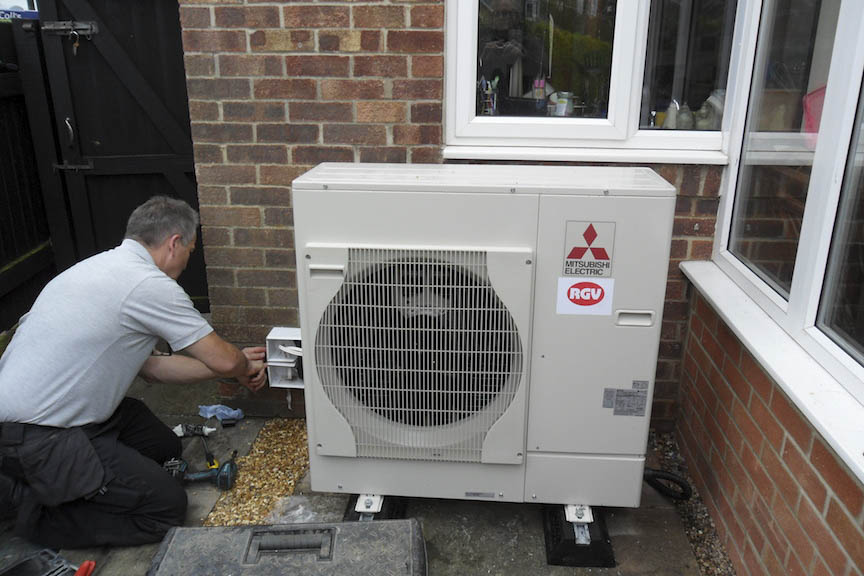
The outdoor unit of an air source heat pump must be positioned in an area where it can receive sufficient airflow. This unit will need to be placed on a solid, level surface, and it should be positioned away from obstructions that could block airflow. The outdoor unit will be connected to the internal components of the system using refrigerant lines and electrical wiring.
4. Connecting the Internal Unit
The internal unit of the heat pump is typically connected to your home’s existing heating system, whether that involves radiators, underfloor heating, or an air distribution system. The system will be set up to optimize performance and ensure the even distribution of heat throughout the property.
5. System Testing and Calibration
Once the installation is complete, the system will undergo rigorous testing to ensure that it operates at peak efficiency. The installer will check the refrigerant levels, ensure proper air circulation, and calibrate the settings to match your home’s heating and hot water needs. They will also walk you through the system’s features and maintenance requirements.
Conclusion: Embrace Sustainable Comfort with an Air Source Heat Pump
Installing an air source heat pump in your Hampshire home is one of the best decisions you can make for both your wallet and the environment. With its energy-efficient operation, eco-friendly benefits, and dual functionality, an air source heat pump provides year-round comfort and significant cost savings. As part of the broader movement toward renewable energy, air source heat pumps help homeowners reduce their reliance on fossil fuels and cut greenhouse gas emissions.
By investing in an air source heat pump, you are not only upgrading your heating system but also contributing to a more sustainable future. Take advantage of government incentives and expert installation services to enjoy reliable, efficient heating and cooling in your Hampshire home.