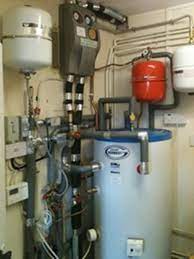
As the world steadily transitions to more sustainable energy solutions, air source heat pump cylinders are becoming a cornerstone of efficient home heating systems. These innovative devices not only offer a greener alternative to traditional heating methods but also promise significant cost savings in the long run. Here, we delve into the key reasons why making the switch to air source heat pump cylinders is a smart move for homeowners and businesses alike.
What Are Air Source Heat Pump Cylinders?
Air source heat pump (ASHP) cylinders are advanced heating systems designed to extract heat from the air outside and transfer it into your home. These systems work efficiently even in colder climates, making them a reliable choice for year-round heating and hot water supply. The extracted heat is stored in a cylinder, ensuring a consistent supply of hot water for household needs.
Benefits of Air Source Heat Pump Cylinders
1. Energy Efficiency and Lower Utility Bills
One of the most significant advantages of air source heat pump cylinders is their impressive energy efficiency. By utilizing heat from the air, these systems can achieve an efficiency rate of up to 300%. This means for every unit of electricity used, you receive three units of heat. As a result, homeowners can enjoy reduced utility bills while minimizing their environmental footprint.
2. Environmentally Friendly Heating Solution
Switching to an air source heat pump cylinder is a proactive step toward reducing carbon emissions. These systems rely on renewable energy sources, producing far fewer greenhouse gases compared to fossil fuel-based heating systems. By choosing an ASHP cylinder, you contribute to a sustainable future without compromising on comfort.
3. Compatibility with Modern Heating Systems
Air source heat pump cylinders integrate seamlessly with modern underfloor heating systems and low-temperature radiators. Their design ensures optimal performance with energy-efficient heating solutions, making them a versatile choice for contemporary homes.
4. Long-Term Cost Savings
Although the initial investment in an air source heat pump cylinder might be higher than traditional systems, the long-term savings are substantial. Reduced energy bills, lower maintenance costs, and potential government incentives can quickly offset the upfront expense.
How Air Source Heat Pump Cylinders Work
Air source heat pump cylinders operate through a simple yet effective process:
- Heat Absorption: The system absorbs heat from the ambient air using a refrigerant.
- Compression: The refrigerant is compressed, raising its temperature.
- Heat Transfer: The heat is transferred to the water stored in the cylinder.
- Hot Water Supply: The heated water is ready for use in household applications, including showers, dishwashing, and central heating.
This process is efficient even at low outdoor temperatures, ensuring consistent performance throughout the year.
Key Considerations When Choosing Air Source Heat Pump Cylinders
1. Sizing and Capacity
Selecting the right size of the air source heat pump cylinder is crucial. Factors such as the size of your home, the number of occupants, and your hot water usage patterns should be considered to ensure optimal performance.
2. Installation Requirements
Air source heat pump systems require outdoor space for the heat pump unit. Additionally, proper insulation is essential to maximize energy efficiency. Consulting with a professional installer ensures that your system is tailored to your home's specific needs.
3. Noise Levels
Modern ASHP systems are designed to operate quietly, but it’s still important to consider noise levels, especially if the outdoor unit is installed near living spaces.
Government Incentives and Grants
Many governments worldwide offer incentives to promote the adoption of renewable energy systems. In the UK, for example, schemes like the Boiler Upgrade Scheme (BUS) provide financial assistance for installing air source heat pumps. These incentives significantly reduce the upfront cost, making it easier for homeowners to make the switch.
Comparing Air Source Heat Pumps to Traditional Heating Systems
Efficiency
While traditional heating systems like gas boilers have an efficiency rate of about 90-95%, air source heat pumps can exceed 300%, making them a far more energy-efficient option.
Environmental Impact
Fossil fuel-based systems release significant amounts of CO2 into the atmosphere. In contrast, ASHP systems rely on renewable energy, resulting in drastically lower carbon emissions.
Maintenance
Air source heat pumps require minimal maintenance compared to traditional systems. Regular servicing ensures optimal performance, but there’s no need for frequent replacements or repairs.
Real-Life Applications of Air Source Heat Pump Cylinders
Residential Homes
Homeowners are increasingly adopting air source heat pump cylinders to reduce energy costs and enhance sustainability. These systems are particularly effective in well-insulated homes, ensuring maximum energy savings.
Commercial Buildings
Businesses are also leveraging ASHP systems to meet sustainability goals while maintaining comfortable indoor environments. The scalability of these systems makes them suitable for various commercial applications.
Why Now Is the Time to Switch
With rising energy costs and growing awareness of climate change, there has never been a better time to switch to air source heat pump cylinders. These systems not only provide an eco-friendly heating solution but also offer long-term financial benefits. By investing in an ASHP system today, you position yourself for a sustainable and cost-effective future.
Conclusion
Air source heat pump cylinders represent the future of home and commercial heating. Their unparalleled efficiency, environmental benefits, and compatibility with modern heating systems make them a standout choice. As governments continue to incentivize renewable energy adoption, there’s no reason to delay making the switch.