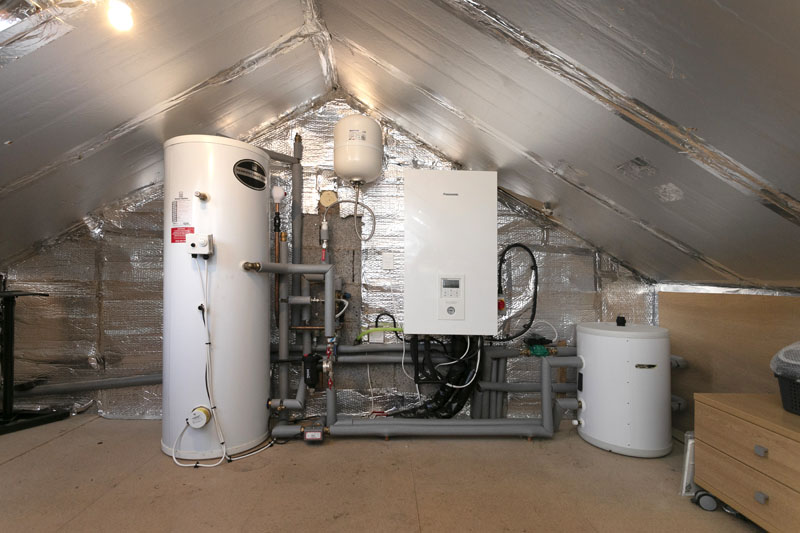
As the world continues to embrace sustainable energy solutions, governments are increasingly offering incentives and rebates to encourage the adoption of environmentally friendly technologies. Air Source Heat Pump Cylinders (ASHP Cylinders), known for their energy efficiency and reduced carbon emissions, are among the technologies benefiting from these financial supports. This article provides an in-depth look at the various government incentives and rebates available for installing ASHP Cylinders, helping homeowners and businesses offset the initial costs and enjoy long-term savings.
1. Understanding Government Incentives and Rebates
Government incentives and rebates are financial mechanisms designed to reduce the cost of purchasing and installing energy-efficient systems like ASHP Cylinders. These incentives are part of broader efforts to reduce greenhouse gas emissions, promote renewable energy use, and achieve national and global climate goals.
Types of Financial Support:
- Tax Credits: Reductions in the amount of income tax owed, often based on a percentage of the cost of the ASHP system.
- Rebates: Direct cash payments or discounts provided after the purchase and installation of an ASHP system.
- Grants: Non-repayable funds provided to support the installation of energy-efficient technologies.
- Low-Interest Loans: Financing options with reduced interest rates to help cover the cost of installing ASHP systems.
2. Federal Incentives for ASHP Cylinder Installation
Federal Tax Credits
In many countries, federal governments offer tax credits to homeowners and businesses that install ASHP Cylinders. These credits are designed to reduce the overall cost of the system by allowing taxpayers to deduct a percentage of the installation cost from their tax liability.
- Example: In the United States, the Federal Energy Tax Credit allows homeowners to claim a tax credit of up to 30% of the cost of installing an ASHP system. This credit can be applied to both the purchase and installation costs, significantly reducing the overall expense.
Federal Grants and Rebates
Some federal programs provide grants and rebates to support the adoption of renewable energy and energy-efficient technologies. These funds are typically available for specific types of projects or to certain groups, such as low-income households or rural communities.
- Example: The Rural Energy for America Program (REAP) in the United States offers grants to agricultural producers and rural small businesses for renewable energy systems, including ASHP Cylinders.
3. State and Local Incentives
State-Level Tax Credits and Rebates
In addition to federal incentives, many states and provinces offer their own tax credits and rebates for installing ASHP Cylinders. These programs vary widely in terms of availability and the amount of financial support provided, so it’s important for homeowners to research what’s available in their specific location.
- Example: In California, the Self-Generation Incentive Program (SGIP) provides rebates for the installation of energy-efficient systems, including ASHP Cylinders, helping to lower the initial costs.
Local Utility Rebates
Local utility companies often offer rebates to customers who install ASHP Cylinders as part of energy efficiency programs. These rebates are usually designed to encourage the adoption of technologies that reduce electricity demand, especially during peak usage times.
- Example: Many utility companies in the United Kingdom offer rebates to customers who install ASHP systems, helping to offset the initial investment and reduce energy consumption.
4. Incentives for Businesses and Commercial Properties
Commercial Property Incentives
Businesses and commercial property owners can also benefit from government incentives for installing ASHP Cylinders. These incentives are designed to reduce operational costs and encourage the adoption of sustainable energy practices in the commercial sector.
- Example: The Enhanced Capital Allowance (ECA) scheme in the UK allows businesses to claim 100% first-year tax relief on investments in energy-efficient technologies, including ASHP systems.
Renewable Energy Certificates (RECs)
In some regions, businesses that install ASHP Cylinders may be eligible to earn Renewable Energy Certificates (RECs). These certificates represent the environmental benefits of generating renewable energy and can be sold or traded to generate additional revenue.
- Example: In the European Union, businesses that produce renewable energy through systems like ASHP Cylinders can earn RECs, which can be sold on the open market to other companies looking to offset their carbon emissions.
5. Incentives for Low-Income Households
Targeted Support Programs
To ensure that all segments of the population can benefit from energy-efficient technologies, many governments offer targeted support programs for low-income households. These programs often provide higher rebates or additional financial assistance to make ASHP systems more affordable for those who might otherwise be unable to afford them.
- Example: The Low-Income Home Energy Assistance Program (LIHEAP) in the United States provides grants to low-income households to help cover the cost of heating and cooling systems, including ASHP Cylinders.
Community Programs
In addition to individual incentives, some governments offer community-based programs that provide financial assistance for installing ASHP Cylinders in multiple homes or buildings within a community. These programs are designed to maximize the environmental benefits by encouraging widespread adoption in specific areas.
- Example: In Canada, the Community Energy Program offers grants to communities that implement renewable energy projects, including the installation of ASHP systems in multiple homes.
6. Navigating the Application Process
Eligibility Requirements
To take advantage of government incentives and rebates for ASHP Cylinders, it’s important to understand the eligibility requirements. These requirements can vary based on the specific program and the region, but generally include criteria such as:
- Property Type: Some incentives are only available for residential properties, while others are geared toward commercial or industrial buildings.
- System Specifications: The ASHP system must meet certain energy efficiency standards to qualify for incentives.
- Installation by Certified Professionals: Many programs require that the system be installed by a certified professional to ensure it meets all necessary standards.
Application Steps
Applying for government incentives and rebates typically involves several steps, including:
- Researching Available Programs: Homeowners and businesses should start by researching the incentives available in their region to determine which programs they are eligible for.
- Submitting an Application: Most programs require applicants to submit detailed information about the property, the ASHP system, and the installation process.
- Verification and Approval: Once the application is submitted, it may need to be verified by an inspector or other official before the rebate or credit is approved.
- Receiving the Incentive: After approval, the incentive is typically issued as a rebate check, tax credit, or direct payment.
Conclusion
Government incentives and rebates for installing Air Source Heat Pump Cylinders provide a valuable opportunity for homeowners and businesses to reduce the upfront costs of these energy-efficient systems. By taking advantage of federal, state, and local programs, property owners can enjoy significant savings while contributing to a more sustainable future. With proper research and careful planning, the financial support available can make the transition to ASHP Cylinders more accessible and affordable, helping to reduce carbon footprints and promote renewable energy use.