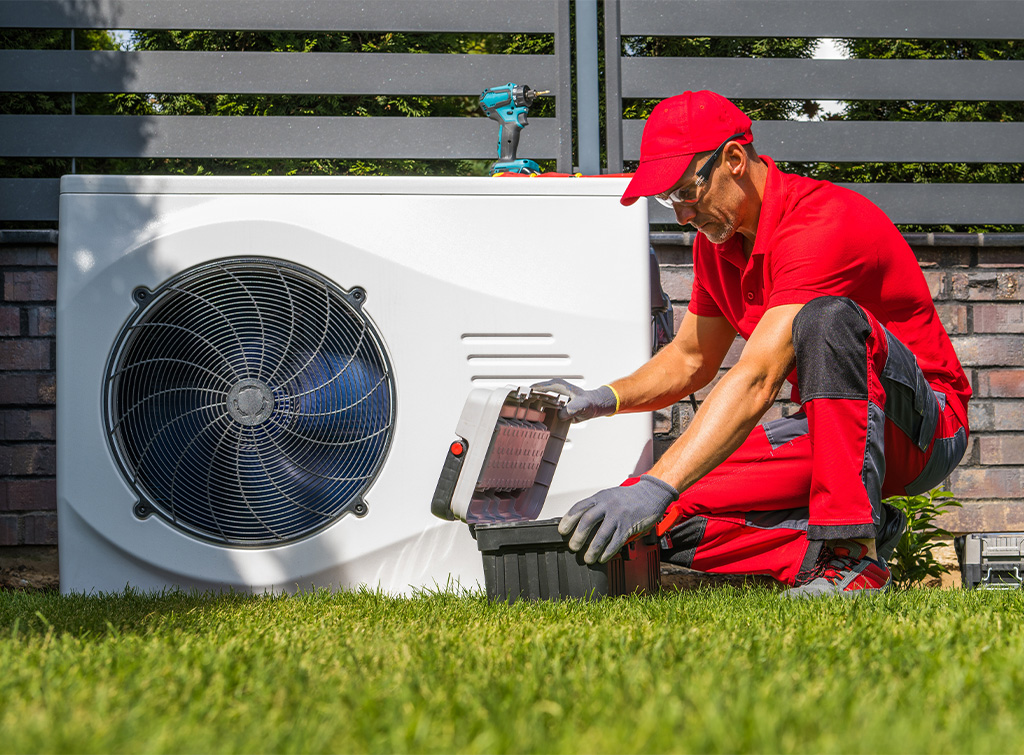
Maximizing the efficiency of your heat pump is essential for reducing energy consumption, lowering utility bills, and ensuring long-term comfort in your home. By following these tips for optimal performance, homeowners can enhance the efficiency and effectiveness of their heat pump systems, saving energy and money while maintaining indoor comfort levels.
Introduction to Heat Pump Efficiency
Heat pump efficiency refers to the ability of the system to effectively transfer heat from one location to another while minimizing energy consumption. Optimizing the performance of your heat pump is crucial for maximizing efficiency and achieving cost savings on heating and cooling bills.
Regular Maintenance and Servicing
Regular maintenance and servicing are essential for ensuring the efficiency and longevity of your heat pump system:
- Cleaning or Replacing Air Filters: Dirty air filters can restrict airflow and reduce system efficiency, so it's important to clean or replace them regularly.
- Checking Refrigerant Levels: Low refrigerant levels can impair heat pump performance, so it's important to have them checked and topped up as needed by a qualified technician.
- Inspecting and Lubricating Moving Parts: Proper lubrication of moving parts helps reduce friction and wear, improving efficiency and extending the lifespan of the system.
Temperature Settings and Programming
Optimizing temperature settings and programming can help reduce energy consumption and improve comfort levels:
- Setting Temperature Controls Wisely: Avoid setting the thermostat too high in winter or too low in summer, as this can increase energy usage. Opt for lower temperatures in winter and higher temperatures in summer to save energy.
- Utilizing Programmable Thermostats: Programmable thermostats allow you to schedule temperature adjustments based on your daily routine, optimizing energy usage and comfort levels throughout the day.
Airflow and Ventilation Management
Proper airflow and ventilation are essential for maximizing heat pump efficiency:
- Ensuring Proper Airflow Around the Heat Pump: Keep the area around the heat pump clear of debris, vegetation, and other obstructions to allow for proper airflow and ventilation.
- Keeping Vents and Registers Clear: Ensure that vents and registers are not blocked by furniture, curtains, or other obstacles, as this can restrict airflow and reduce system efficiency.
Seasonal Adjustments and Optimization
Make seasonal adjustments to your heat pump settings and practices to maximize efficiency:
- Adjusting Settings for Seasonal Changes: Modify temperature settings and programming to account for seasonal temperature changes, optimizing energy usage and comfort levels accordingly.
- Implementing Energy-Saving Practices: Take advantage of natural ventilation, sunlight, and other energy-saving practices during moderate weather conditions to reduce reliance on the heat pump.
Insulation and Air Sealing
Proper insulation and air sealing help minimize heat loss and maximize heat pump efficiency:
- Insulating Ductwork and Pipework: Insulate ductwork and pipework to prevent heat loss during distribution, ensuring that heated or cooled air reaches its destination efficiently.
- Sealing Air Leaks: Seal air leaks around windows, doors, and other openings to prevent heat loss and maintain indoor comfort levels, reducing the workload on the heat pump.
Professional Inspection and Tuning
Schedule regular inspections and tune-ups by HVAC professionals to keep your heat pump operating at peak efficiency:
- Scheduling Annual Inspections: Have your heat pump inspected annually by qualified technicians to identify and address any issues or inefficiencies before they escalate.
- Tuning and Calibrating System Components: Ensure that system components are properly tuned and calibrated for optimal performance, efficiency, and comfort.
Utilizing Renewable Energy Sources
Consider integrating renewable energy sources to supplement your heat pump system and further reduce energy consumption:
- Integrating Solar Panels or Wind Turbines: Solar panels or wind turbines can generate electricity to power your heat pump, reducing reliance on grid electricity and lowering energy costs.
- Exploring Hybrid Heat Pump Systems: Hybrid heat pump systems combine the efficiency of a heat pump with the reliability of a backup heating source, such as a furnace or boiler, providing enhanced energy savings and comfort.
Conclusion
Maximizing the efficiency of your heat pump system is essential for reducing energy consumption, lowering utility bills, and ensuring long-term comfort and sustainability in your home. By implementing these tips for optimal performance, homeowners can enhance the efficiency and effectiveness of their heat pump systems, saving energy and money while maintaining indoor comfort levels throughout the year.