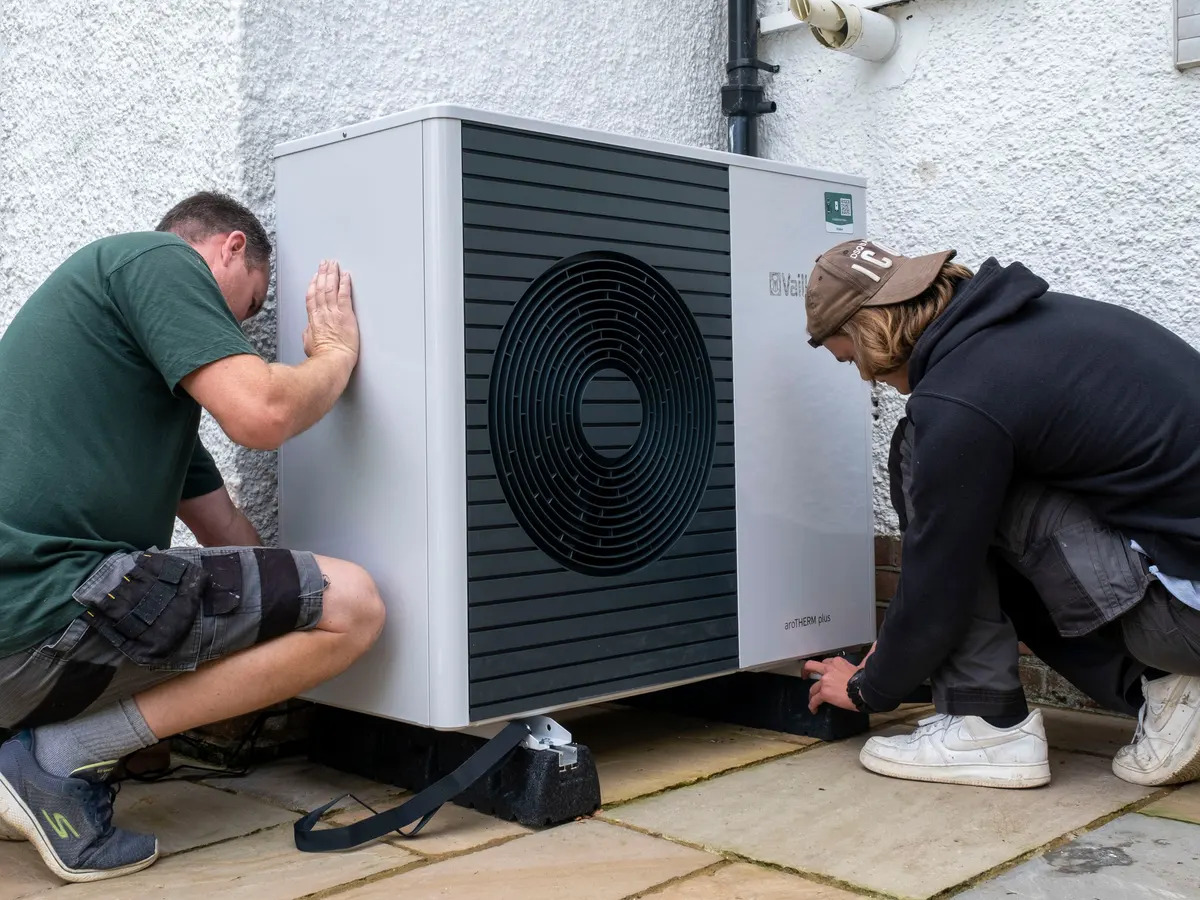
The quest for energy-efficient, sustainable heating solutions has never been more vital, with the looming specter of climate change driving the search for alternatives to traditional, carbon-intensive systems. In this detailed guide, we'll uncover the transformative potential of air source heat pumps (ASHP) – a technology that's quietly revolutionizing the way the UK thinks about heating and cooling.
The Rise of Air Source Heat Pumps
Understanding the ASHP Concept
If you're new to the concept of air source heat pumps, think of them as a ‘reverse’ fridge – whereas a fridge extracts heat to cool its interior, ASHPs extract heat from the outside air, even in temperatures as low as -15 degrees Celsius, and use it to heat your home when bundled up with a compressor and a heat exchanger.
Policy and Regulations
With the UK government setting ambitious targets to reduce greenhouse gas emissions, ASHPs are receiving a more significant slice of the renewable energy pie. Schemes and grants like the Renewable Heat Incentive have made them more accessible to homeowners looking to benefit from this green technology.
Air-Based Heating and Cooling — How It Works
The Basics of Heat Exchanger Technology
Diving deeper into the technology, we explore how ASHPs leverage the principles of thermodynamics – the exchange of hot and cold air – to provide an energy-efficient way to keep your home warm or cool, all within a closed-loop environment.
Seasonal Energy Efficiency Ratio (SEER) and Heating Seasonal Performance Factor (HSPF)
To determine the efficacy of your ASHP, it's crucial to understand SEER and HSPF. These metrics are like the miles-per-gallon for your heat pump, giving you a clear picture of how it will perform over the course of a year.
Outdoor Unit Installation — Initial Considerations
Choosing the Right System for Your Home
Selecting the ideal ASHP for your home involves a detailed assessment of factors such as size, layout, and the local climate. Modern units come in various forms – ground source, air-to-water, and air-to-air – each with its unique advantages.
Siting and Noise Considerations
The outdoor unit of an ASHP can generate some noise, so it's important to consider the placement to minimize any impact on your household or your neighbors. Additionally, proper installation ensures optimal performance and longevity of the system.
The Importance of Professional Installation
Installing an ASHP is not a DIY job. We'll explore the reasons why it's essential to enlist the services of a certified professional, from safety and performance to warranty and compliance with building regulations.
Seasonal Energy Efficiency — The Key to Cost-Effective Heating
The Power of Inverter Technology
Many modern ASHPs are equipped with inverter-driven compressors, allowing for variable speed and greater energy savings. We'll unpack how inverter technology can maintain a consistent temperature with a fraction of the energy required for non-inverter models.
Making the Most of Seasonal Changes
Seasonal variations in temperature can significantly impact the efficiency of ASHPs. We'll discuss strategies to maximize performance during colder months, such as setting up a hybrid system with supplementary heating sources or utilizing a thermal buffer tank.
Air Source Heat Exchange — The Heart of the System
The Different Types of Air Source Heat Exchange
There are two primary types of air source heat exchange – air-to-air and air-to-water. We'll compare and contrast these systems, highlighting their respective applications and benefits, from ductless heating and cooling to integration with underfloor heating.
Overcoming Defrost Cycles
In colder climates, ASHPs must periodically defrost to remove ice build-up. We'll look at how defrost cycles can affect efficiency and comfort, as well as technological solutions to minimize their impact.
Climate Adaptability — A Look at Heat Pump Suitability
Adapting to the UK Climate
The UK's climate is diverse, with regions facing different weather patterns and temperatures. We'll discuss how ASHPs can be adapted to function optimally in various climatic conditions, contributing to the UK's commitment to carbon neutrality.
Cold-Weather Performance
The ability of ASHPs to operate effectively in freezing temperatures continues to be a strong focus for manufacturers. We'll examine how modern units have overcome the limitations of older models, making them a dependable option even in the chillier parts of the UK.
Hybrid Systems for Peak Performance
In some cases, integrating an ASHP with other heating systems, such as gas or electric, can provide the best of both worlds in terms of performance and efficiency. We'll explore best practices for hybrid system design and usage.
Final Thoughts on Air Source Heat Pumps
Economic Considerations
The initial investment in an ASHP can be substantial, but the long-term savings on energy bills, along with government incentives, can make it a financially savvy choice for homeowners. We'll break down the economics of ASHP installation and operation.
Environmental Benefits
Beyond the bottom line, ASHPs offer significant environmental advantages. By reducing reliance on fossil fuels, they play a crucial role in combating climate change and creating a more sustainable future for the UK.
The Future of Domestic Heating
The future looks promising for ASHP technology, with continued research and development focusing on efficiency, integration, and user-friendliness. We'll provide insight into what the future landscape of domestic heating in the UK might look like with ASHPs at the forefront.
In conclusion, air source heat pumps are not merely an alternative to traditional heating systems – they represent a shift towards a more environmentally friendly and economically sound model for domestic heating and cooling. By understanding the intricacies of ASHPs, homeowners in the UK can make informed decisions that benefit both their households and the planet.