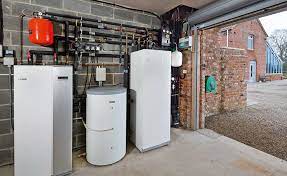
Air source heat pump (ASHP) cylinders are an essential component in sustainable heating systems, providing both heating and hot water. As concerns about energy efficiency and climate resilience grow, understanding the capabilities of ASHP cylinders in extreme temperatures is crucial. In this article, we delve deep into how these systems perform under harsh conditions, their limitations, and strategies to optimize their functionality.
How Air Source Heat Pump Cylinders Work
Air source heat pumps operate by extracting heat from the outside air, even in cold conditions, and transferring it indoors for heating or hot water. This process relies on the principles of thermodynamics and typically involves a refrigerant, a compressor, and a heat exchanger. The heat is then stored in a cylinder for domestic or commercial use.
The Role of Cylinders in the System
Cylinders act as storage units, holding heated water until it is needed. They ensure a consistent supply of hot water, even during periods of peak demand. Advanced cylinders are designed to retain heat efficiently, reducing energy wastage and ensuring optimal system performance.
Performance of ASHP Cylinders in Extreme Cold
Challenges in Sub-Zero Temperatures
ASHP systems face significant challenges when the outside temperature drops below freezing. Key issues include:
- Reduced Heat Extraction Efficiency: The efficiency of heat extraction decreases as the temperature gradient narrows.
- Frost Build-Up: Ice formation on the outdoor unit can obstruct airflow and reduce system efficiency.
- Increased Energy Consumption: Maintaining desired indoor temperatures in extreme cold can lead to higher electricity usage.
Modern Innovations to Address Cold Weather Challenges
Advancements in ASHP technology have significantly improved performance in cold climates. Features such as:
- Enhanced Refrigerants: New refrigerants with lower freezing points enable efficient heat transfer at lower temperatures.
- Defrost Cycles: Automatic defrost mechanisms prevent frost accumulation, ensuring consistent operation.
- Hybrid Systems: Combining ASHPs with auxiliary heating sources, like gas boilers, ensures uninterrupted heating during extreme conditions.
Performance of ASHP Cylinders in High Temperatures
Challenges in Hot Climates
In regions with high ambient temperatures, ASHP systems may encounter the following:
- Overheating Risks: Excessively high temperatures can strain system components, particularly compressors.
- Inefficiency in Cooling Modes: Some ASHP systems designed primarily for heating may struggle with cooling performance.
Optimizations for Hot Weather
Manufacturers have developed strategies to address these challenges, including:
- Advanced Insulation: High-quality insulation in cylinders minimizes heat loss, even during extreme external heat.
- Variable Speed Compressors: These adjust their operation based on demand, ensuring energy-efficient performance in fluctuating conditions.
- Dual-Functionality Systems: Some ASHPs can seamlessly switch between heating and cooling, offering year-round comfort.
Factors Affecting ASHP Cylinder Efficiency
Insulation Quality
The quality of cylinder insulation directly impacts heat retention. Cylinders with advanced thermal insulation materials reduce heat loss, ensuring hot water availability with minimal energy usage.
Cylinder Sizing
Selecting the right size cylinder is crucial for optimal performance. Oversized cylinders can lead to energy wastage, while undersized ones may fail to meet household demands during extreme weather conditions.
System Maintenance
Regular maintenance, including cleaning filters and inspecting components, ensures that ASHP systems operate efficiently, regardless of external temperatures.
Environmental Benefits of ASHP Cylinders
Despite performance challenges in extreme climates, ASHP cylinders offer significant environmental advantages:
- Reduced Carbon Footprint: By utilizing renewable energy from the air, ASHP systems significantly lower greenhouse gas emissions compared to fossil-fuel-based heating systems.
- Energy Efficiency: Modern ASHPs can achieve a coefficient of performance (COP) exceeding 3.0, meaning they produce three units of heat for every unit of electricity consumed.
- Adaptability: These systems are suitable for both residential and commercial applications, providing scalable solutions for sustainable energy needs.
Tips to Maximize ASHP Cylinder Performance in Extreme Weather
- Invest in High-Quality Components: Choose cylinders with advanced insulation and durable materials designed for extreme climates.
- Use Weather-Optimized Systems: Select ASHP systems equipped with defrost cycles, advanced refrigerants, and variable-speed compressors.
- Regular Maintenance: Schedule routine inspections to ensure all components, including the cylinder, are in top condition.
- Hybrid Heating Solutions: Pair your ASHP with a supplementary heat source to ensure consistent performance in sub-zero temperatures.
- Smart Controls: Use smart thermostats and monitoring systems to optimize energy use and maintain desired temperatures.
Conclusion
Air source heat pump cylinders have evolved to handle extreme temperatures, offering reliable and energy-efficient heating and cooling solutions. While challenges exist in both freezing and scorching climates, advancements in technology, proper maintenance, and strategic system design ensure that ASHP systems remain a viable option for sustainable energy needs.