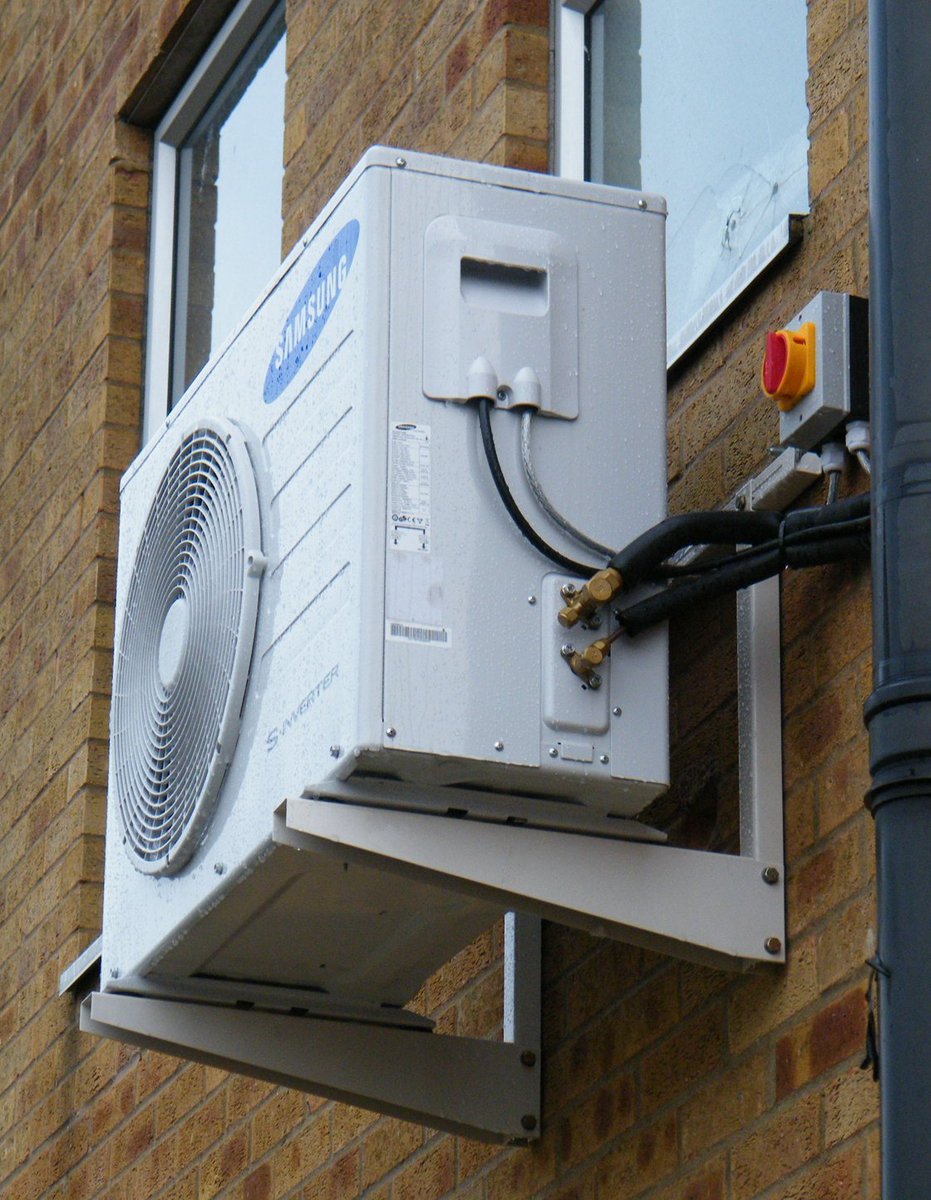
Understanding Air Source Heat Pumps
Air source heat pumps (ASHPs) are an energy-efficient heating and cooling solution that extract heat from the outdoor air to warm your home. These systems provide an excellent alternative to traditional gas and oil heating, reducing both energy costs and carbon footprints. With the push for sustainable living, many Hampshire homeowners are now considering air source heat pumps as a viable renewable energy option.
How Air Source Heat Pumps Work
An air source heat pump functions similarly to a refrigerator but in reverse. It absorbs heat energy from the air outside, even in cold temperatures, and transfers it indoors through a refrigeration cycle. This system consists of an outdoor unit, which captures the heat, and an indoor unit, which distributes the warmth throughout the home.
Key Components of an Air Source Heat Pump:
- Evaporator Coil – Extracts heat from outdoor air.
- Compressor – Increases the temperature of the extracted heat.
- Condenser Coil – Transfers the heat into your home.
- Expansion Valve – Regulates refrigerant flow to optimize performance.
Benefits of Installing an Air Source Heat Pump in Hampshire
1. Energy Efficiency & Cost Savings
ASHPs operate at a high coefficient of performance (COP), meaning they produce more heat energy than the electrical energy they consume. Homeowners in Hampshire can expect a reduction in energy bills compared to traditional gas or oil heating systems.
2. Eco-Friendly Heating Solution
By using ambient air as a heat source, ASHPs significantly reduce greenhouse gas emissions, contributing to a sustainable environment. With the UK’s push towards net-zero emissions by 2050, installing an ASHP aligns with national carbon reduction goals.
3. Government Grants & Incentives
The UK government offers various financial incentives to encourage the adoption of renewable energy systems, including:
- Boiler Upgrade Scheme (BUS): Grants of up to £5,000 for ASHP installations.
- Renewable Heat Incentive (RHI) (Now Closed): Previously provided financial rewards for renewable heating.
- VAT Reduction: A 0% VAT rate applies to heat pump installations.
4. Year-Round Comfort
ASHPs provide both heating and cooling, making them a versatile climate control solution. During winter, they supply warmth, and in summer, they can operate in reverse cycle mode to provide cooling.
5. Low Maintenance & Longevity
A properly installed air source heat pump can last 15 to 20 years with minimal maintenance. Routine servicing, such as cleaning filters and checking refrigerant levels, ensures optimal efficiency.
Types of Air Source Heat Pumps
1. Air-to-Water Heat Pumps
These systems distribute heat through radiators, underfloor heating, or hot water systems. They are ideal for homes looking to replace conventional gas boilers.
2. Air-to-Air Heat Pumps
Rather than heating water, these units supply warm or cool air directly into rooms. They are suitable for properties where a ducted system is feasible.
Factors to Consider Before Installation
1. Insulation & Home Suitability
To maximize efficiency, your home should be well-insulated. Poor insulation can result in heat loss, reducing the effectiveness of an ASHP.
2. Outdoor Space Requirements
An ASHP requires adequate outdoor space for the unit installation. It should be placed in an unobstructed area to ensure proper airflow and efficiency.
3. Noise Levels
While modern ASHPs are quieter than older models, it is important to position them away from bedrooms or neighbors to minimize any potential disturbance.
4. Initial Investment & Payback Period
The upfront cost of installing an ASHP ranges from £7,000 to £12,000, depending on the system size and installation complexity. However, long-term savings on energy bills and government grants help offset the initial investment.
Installation Process of an Air Source Heat Pump
1. Professional Assessment
A certified installer will evaluate your home’s heating needs, insulation levels, and system suitability.
2. System Selection & Placement
Choosing the right ASHP model and determining the best location for installation ensures maximum efficiency.
3. Installation & Setup
The installation process involves placing the outdoor unit, connecting it to the indoor distribution system, and setting up controls for optimal operation.
4. Testing & Commissioning
After installation, the system is thoroughly tested to ensure correct functionality and efficiency.
Common Myths About Air Source Heat Pumps
1. “ASHPs Don’t Work in Cold Climates”
Modern ASHPs are designed to operate efficiently in temperatures as low as -25°C, making them suitable for Hampshire’s winters.
2. “They Are Noisy”
Newer models are designed with low-noise technology, operating at sound levels comparable to a quiet refrigerator.
3. “They Don’t Provide Enough Heat”
When properly sized and installed, ASHPs can heat an entire home effectively, even during winter.
Why Hampshire Homeowners Should Switch to Air Source Heat Pumps
With rising energy costs and increasing emphasis on renewable heating, air source heat pumps are becoming a smart investment for Hampshire homeowners. The benefits of lower energy bills, government incentives, eco-friendly heating, and year-round comfort make ASHPs an attractive alternative to conventional heating methods.
Conclusion
Choosing an air source heat pump is a step toward sustainable living, reducing your carbon footprint, and increasing energy efficiency. If you're considering an ASHP for your home, consult a qualified installer to assess your heating requirements and find the best solution for your property.