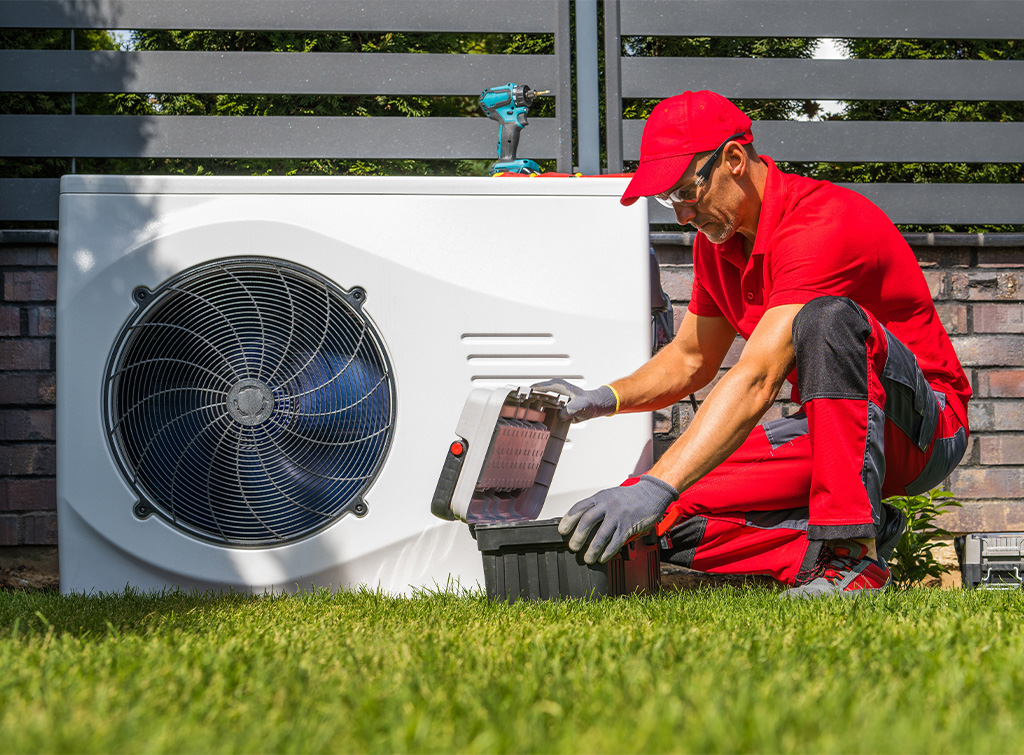
As sustainability becomes a growing priority for homeowners in Hampshire, air source heat pumps (ASHPs) are gaining traction as an effective and eco-friendly heating solution. With the ability to provide both heating and cooling, these systems offer significant energy savings and lower carbon emissions. This comprehensive guide will cover everything you need to know about air source heat pump installation in Hampshire, from how they work to the installation process, benefits, and maintenance.
What is an Air Source Heat Pump?
An air source heat pump is a renewable energy system that extracts heat from the outside air and uses it to heat your home or provide hot water. Unlike traditional heating systems that rely on fossil fuels, ASHPs utilize the ambient air, making them a more sustainable choice.
How Does It Work?
Air source heat pumps operate on basic thermodynamic principles:
- Heat Absorption: The heat pump draws heat from the outside air using a refrigerant fluid that absorbs heat and turns into gas.
- Compression: The gaseous refrigerant is compressed, raising its temperature significantly.
- Heat Transfer: The heated gas passes through a heat exchanger, transferring the heat to your home’s heating system or hot water supply.
- Condensation: The refrigerant then condenses back into a liquid, completing the cycle.
Benefits of Air Source Heat Pumps
1. Energy Efficiency
ASHPs are highly energy-efficient, providing three to four units of heat for every unit of electricity consumed. This efficiency can lead to substantial savings on energy bills, making ASHPs an attractive option for Hampshire homeowners.
2. Environmental Impact
By utilizing renewable energy, air source heat pumps help reduce your carbon footprint. Compared to conventional heating systems, ASHPs produce significantly fewer emissions, making them a key component in achieving a sustainable future.
3. Versatility
ASHPs can be used for both heating and cooling, offering year-round climate control. During the warmer months, the system can reverse its operation to cool your home effectively.
4. Financial Incentives
The UK government offers several financial incentives for homeowners who install renewable heating systems. Programs like the Boiler Upgrade Scheme and the Domestic Renewable Heat Incentive (RHI) help offset installation costs, making the transition to ASHPs more affordable.
Air Source Heat Pump Installation Process
1. Initial Assessment
Before installation, a qualified installer will conduct a thorough assessment of your property. Key factors include:
- Insulation Levels: Adequate insulation is crucial for maximizing the efficiency of an ASHP.
- Space Availability: Determining suitable locations for the outdoor unit is essential for optimal performance.
- Heating Requirements: Assessing your heating needs will guide the selection of the appropriate system size.
2. Choosing the Right System
Selecting the right air source heat pump involves several considerations:
- Sizing: The heat pump must be appropriately sized for your property to ensure effective heating and cooling.
- Type: Decide between air-to-water systems (for heating water and indoor radiators) or air-to-air systems (for direct air heating).
3. Installation
The installation process typically involves the following steps:
- Outdoor Unit Placement: Positioning the outdoor unit in a suitable location with sufficient airflow and minimal noise disturbance.
- Indoor Unit Connection: Connecting the heat pump to your home’s existing heating system or hot water cylinder.
- Testing and Commissioning: After installation, the system is tested to ensure it operates efficiently.
Considerations for Hampshire Residents
Climate Suitability
Hampshire’s moderate climate makes it an ideal location for air source heat pumps. The system can efficiently operate even in lower temperatures, allowing for effective heating during the winter months.
Local Regulations
Before proceeding with an installation, check if any local regulations or planning permissions are required. This is particularly important for properties located in conservation areas or listed buildings.
Noise Levels
While modern air source heat pumps are quieter than older models, it’s essential to consider potential noise levels when choosing the installation site. Positioning the unit away from bedrooms and living areas can help minimize disturbances.
Existing Heating Systems
If your home has an existing heating system, consider how an air source heat pump can be integrated. Modifications may be necessary to ensure compatibility and efficiency.
Maintenance of Air Source Heat Pumps
To ensure long-term performance, regular maintenance of your air source heat pump is essential. Most manufacturers recommend an annual service, which includes:
- Checking Refrigerant Levels: Ensuring the refrigerant is at appropriate levels for efficient operation.
- Inspecting Electrical Components: Verifying that all electrical connections are secure and functioning correctly.
- Cleaning Filters: Keeping filters clean helps maintain airflow and efficiency.
With proper maintenance, air source heat pumps can last 15 to 20 years, making them a reliable long-term investment for your heating needs.
Conclusion
Air source heat pumps offer a sustainable and efficient heating solution for homeowners in Hampshire. By understanding how they work, their benefits, and the installation process, you can make an informed decision about whether an ASHP is right for your home. With government incentives available and a growing emphasis on reducing carbon emissions, there has never been a better time to consider air source heat pump installation.