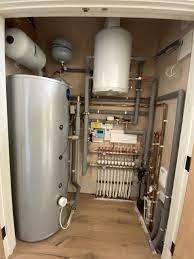
Energy ratings play a vital role in evaluating the efficiency and environmental impact of heating systems. With the rising popularity of air source heat pump (ASHP) cylinders, understanding their energy ratings is essential for homeowners seeking cost-effective and eco-friendly solutions. This comprehensive guide breaks down the importance of energy ratings for ASHP cylinders, explaining how they work, what they mean, and how to use this information to make informed decisions.
What Are Energy Ratings for Air Source Heat Pump Cylinders?
Energy ratings are standardized measures of how efficiently a heating system converts energy into usable heat. For air source heat pump cylinders, these ratings assess the system's ability to store and distribute heat effectively. They are critical for comparing different models, understanding operational costs, and estimating environmental impact.
Key Metrics in ASHP Cylinder Energy Ratings
1. Seasonal Coefficient of Performance (SCOP)
The SCOP measures the overall efficiency of an ASHP system over a year. It evaluates how much heat is produced for each unit of electricity consumed across varying temperatures and operating conditions.
- Higher SCOP = Greater Efficiency: A SCOP of 4, for instance, means the system produces four times the energy it consumes.
- Real-World Performance: Unlike standard COP (Coefficient of Performance), SCOP accounts for seasonal variations, providing a more accurate efficiency picture.
2. Energy Efficiency Rating (EER)
The EER reflects the efficiency of the system during specific conditions, such as peak performance periods.
- Indicates Peak Performance: Useful for understanding how the system performs during high-demand periods.
- Complements SCOP: Together, SCOP and EER give a comprehensive view of efficiency.
3. Heat Loss Rates
For the cylinder itself, energy ratings consider heat loss during storage. Efficient cylinders are designed with advanced insulation to retain heat for longer periods, reducing energy wastage.
4. Energy Labels and Classes
ASHP cylinders are often classified using a standard labeling system, such as the EU Energy Label, which ranges from A+++ (most efficient) to G (least efficient). This label provides a quick reference for consumers to compare models.
Why Energy Ratings Matter for ASHP Cylinders
1. Lower Energy Bills
Higher-rated systems consume less electricity to generate the same amount of heat, resulting in significant cost savings over time.
- Example: An A+++ rated cylinder will use considerably less energy compared to a B-rated one.
2. Environmental Impact
Energy-efficient systems reduce carbon emissions, supporting global efforts to combat climate change.
- Eco-Friendly Choice: By selecting high-efficiency models, homeowners can contribute to sustainability while enjoying reliable heating.
3. Informed Purchase Decisions
Energy ratings simplify the decision-making process, allowing consumers to compare products at a glance and choose the best option for their needs.
Factors Affecting Energy Ratings for ASHP Cylinders
1. Cylinder Insulation
The quality of the cylinder’s insulation directly impacts its energy rating. Better insulation reduces heat loss, enhancing efficiency.
2. System Design and Compatibility
The design and compatibility of the cylinder with the heat pump system influence overall efficiency. Properly sized and integrated systems perform better and achieve higher ratings.
3. Operating Temperatures
Systems that perform well across a range of temperatures typically receive higher SCOP and EER ratings. Look for models designed for your climate zone.
How to Use Energy Ratings When Choosing an ASHP Cylinder
1. Assess Your Needs
Consider your household size, hot water demand, and climate when reviewing energy ratings. Larger households may benefit from higher-rated systems to meet increased demand efficiently.
2. Compare Models
Review energy labels and SCOP/EER values across different models. Prioritize systems with higher ratings for long-term savings and better performance.
3. Factor in Additional Costs
While high-rated systems may have a higher upfront cost, the reduced energy bills and environmental benefits often outweigh the initial investment.
Maintaining Efficiency Post-Installation
Even the most energy-efficient ASHP cylinder can underperform if not maintained properly. Follow these tips to preserve efficiency:
- Regular Servicing: Schedule professional maintenance to keep the system in optimal condition.
- Monitor Performance: Use smart energy monitoring tools to track efficiency over time.
- Optimize Home Insulation: Proper home insulation reduces the workload on your heating system, improving overall efficiency.
Future Trends in ASHP Cylinder Energy Ratings
1. Advanced Insulation Materials
Future models are expected to incorporate cutting-edge insulation technologies, further reducing heat loss and boosting ratings.
2. Integration with Renewable Energy Sources
Systems integrated with solar panels or other renewable sources may see tailored energy labels highlighting their enhanced efficiency.
3. Real-Time Performance Tracking
Smart technology will play a greater role in energy ratings, offering real-time updates and recommendations to optimize efficiency.
Conclusion
Understanding energy ratings for air source heat pump cylinders is key to selecting a system that meets your needs while saving money and supporting sustainability. By considering factors like SCOP, EER, and energy labels, homeowners can make informed decisions that enhance comfort and reduce environmental impact. As technology continues to evolve, energy-efficient ASHP cylinders will remain a cornerstone of modern, sustainable living.