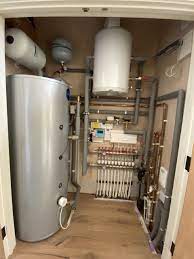
In today’s world, where energy efficiency and sustainability take center stage, air source heat pump cylinders have emerged as a groundbreaking solution for homeowners looking to optimize their heating systems. These innovative cylinders not only enhance energy conservation but also significantly reduce carbon footprints, making them an essential addition to modern homes. In this article, we will delve deep into the workings, benefits, and considerations surrounding air source heat pump cylinders.
What are Air Source Heat Pump Cylinders?
Air source heat pump (ASHP) cylinders are integral components of air source heat pump systems, designed to store and distribute hot water efficiently. They operate by capturing heat from the external air and transferring it into water stored within the cylinder, ensuring a steady supply of hot water for domestic use. Unlike conventional heating systems, ASHP cylinders leverage renewable energy, offering a greener and more cost-effective alternative.
How Do Air Source Heat Pump Cylinders Work?
- Heat Extraction: The heat pump extracts heat from the ambient air, even in low temperatures.
- Heat Transfer: This extracted heat is transferred to a refrigerant, which is compressed to increase its temperature.
- Water Heating: The heat is then transferred to the water stored in the cylinder, ensuring a constant supply of hot water.
- Energy Efficiency: With a coefficient of performance (COP) ranging from 3 to 4, ASHP systems produce three to four units of heat for every unit of electricity consumed.
Key Benefits of Air Source Heat Pump Cylinders
1. Enhanced Energy Efficiency
Air source heat pump cylinders are designed to minimize energy wastage. By utilizing ambient air as a heat source, they significantly reduce reliance on fossil fuels, making them a sustainable choice for homeowners.
2. Cost Savings
While the initial installation cost may be higher than traditional systems, the long-term savings on energy bills make ASHP cylinders a cost-effective investment. Government incentives and grants further reduce the financial burden.
3. Eco-Friendly Operation
By reducing greenhouse gas emissions, ASHP systems contribute to a cleaner environment. Their reliance on renewable energy sources ensures a sustainable heating solution for the future.
4. Year-Round Performance
ASHP cylinders are designed to perform efficiently in all seasons. With advanced technology, they can extract heat even in temperatures as low as -15°C, ensuring uninterrupted hot water supply.
5. Low Maintenance Requirements
These systems require minimal maintenance compared to traditional boilers, with routine checks and occasional servicing ensuring optimal performance.
Types of Air Source Heat Pump Cylinders
1. Unvented Cylinders
Unvented cylinders are sealed systems that operate under mains water pressure. They offer high water flow rates, making them suitable for homes with multiple bathrooms.
2. Vented Cylinders
Vented cylinders rely on gravity-fed systems, requiring a cold water storage tank. They are typically more affordable but may have lower water pressure compared to unvented options.
3. Solar-Compatible Cylinders
These cylinders are designed to integrate with solar thermal systems, offering an additional layer of energy efficiency by utilizing solar energy for water heating.
Installation Considerations for Air Source Heat Pump Cylinders
1. Space Requirements
While ASHP systems are compact, adequate space is necessary for the installation of both the heat pump and the cylinder. Outdoor units require proper ventilation to ensure efficient operation.
2. Insulation
Well-insulated cylinders are crucial to minimize heat loss and maximize energy efficiency. Ensure the cylinder meets current insulation standards for optimal performance.
3. Professional Installation
Hiring certified installers ensures the system is set up correctly, maximizing efficiency and longevity. Professional installation is often a prerequisite for accessing government incentives.
4. Compatibility with Existing Systems
Assess the compatibility of the ASHP cylinder with your existing heating system to avoid potential integration issues. Many modern systems are designed to work seamlessly with ASHP technology.
Choosing the Right Air Source Heat Pump Cylinder
1. Capacity
Select a cylinder with a capacity that meets your household’s hot water demands. Oversized cylinders may lead to unnecessary energy consumption, while undersized ones may fail to meet requirements.
2. Efficiency Ratings
Look for cylinders with high efficiency ratings, such as those approved by the Microgeneration Certification Scheme (MCS). These ratings ensure compliance with energy efficiency standards.
3. Warranty and Support
Choose cylinders backed by comprehensive warranties and robust after-sales support. This ensures peace of mind and protection against potential issues.
4. Brand Reputation
Opt for trusted brands with proven reliability and performance. Customer reviews and expert recommendations can guide your decision.
Frequently Asked Questions (FAQs)
1. Are air source heat pump cylinders noisy?
No, modern ASHP systems are designed to operate quietly, with noise levels comparable to a standard refrigerator.
2. Can ASHP cylinders work in extreme cold?
Yes, advanced systems can efficiently extract heat from the air even in temperatures as low as -15°C.
3. What is the lifespan of an ASHP cylinder?
With proper maintenance, ASHP cylinders can last 15-20 years or more.
4. Do I need planning permission for installation?
In most cases, ASHP installations fall under permitted development rights. However, it’s advisable to check local regulations.
Conclusion
Air source heat pump cylinders represent a leap forward in energy-efficient heating technology. By harnessing renewable energy sources, they offer homeowners a cost-effective and eco-friendly solution for their hot water needs. Whether you’re upgrading your current system or building a new home, investing in an ASHP cylinder ensures long-term benefits for both your wallet and the environment.