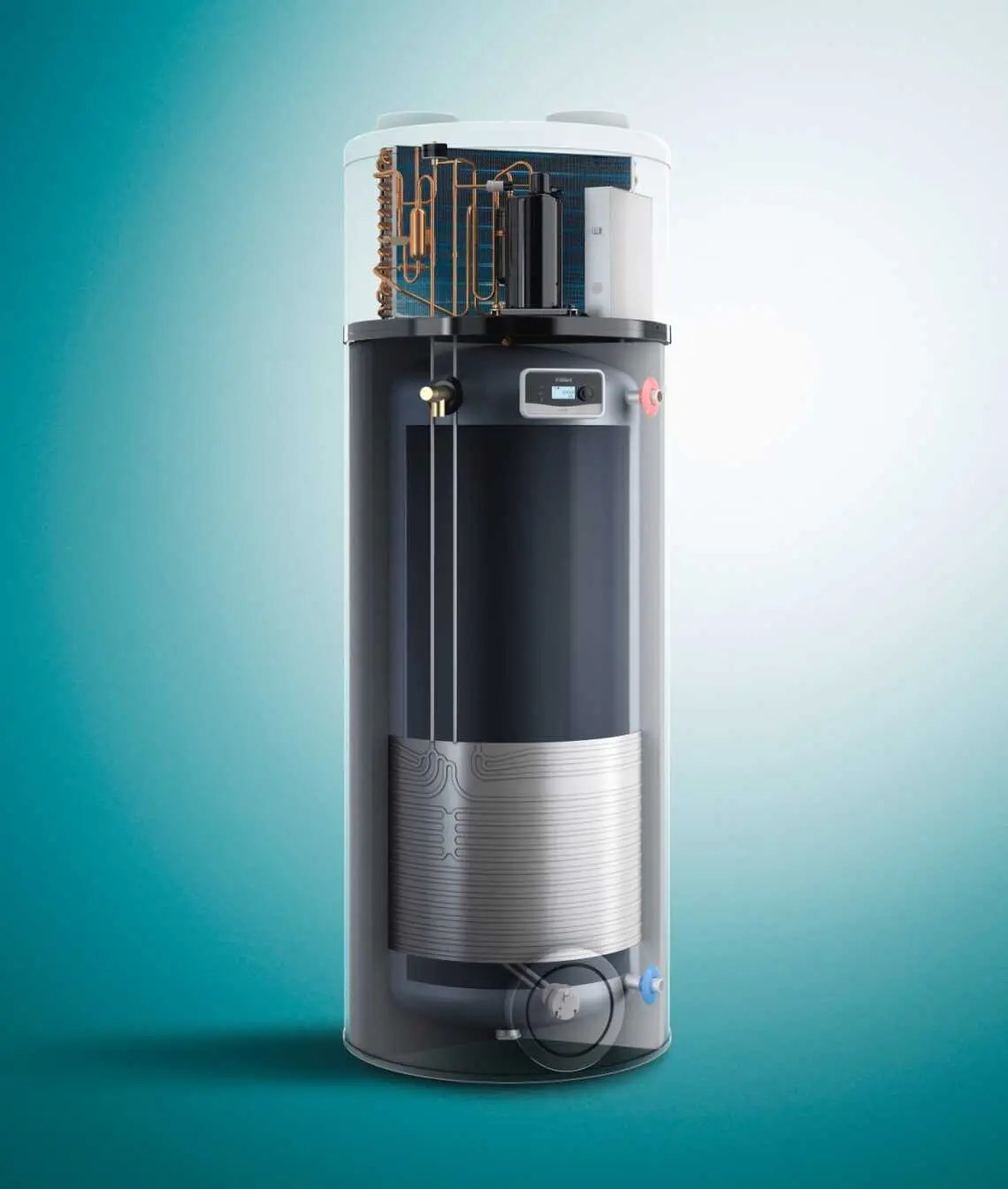
Choosing the right size and capacity for air source heat pump (ASHP) cylinders is crucial for achieving optimal efficiency and ensuring your home’s heating and hot water needs are met effectively. With the right selection, homeowners can enjoy reduced energy costs and a more comfortable living environment. This comprehensive guide delves into the essential factors you need to consider when sizing ASHP cylinders, offering practical advice to help you make an informed decision.
Understanding Air Source Heat Pumps
Air source heat pumps work by extracting heat from the outside air and transferring it into your home. This process can provide both space heating and hot water, making them a versatile and energy-efficient choice for many homes. The efficiency of an ASHP system is heavily influenced by the size and capacity of the associated heat pump cylinder.
The Importance of Correct Sizing
Proper sizing of an ASHP cylinder is critical for several reasons:
- Energy Efficiency: A correctly sized cylinder ensures that the heat pump operates within its optimal performance range, enhancing overall energy efficiency.
- Cost Savings: Proper sizing helps in avoiding over or under-specification, which can lead to increased running costs or insufficient heating and hot water supply.
- Longevity: An appropriately sized system reduces the wear and tear on the equipment, potentially extending its lifespan.
Factors to Consider When Sizing ASHP Cylinders
1. Hot Water Demand
Assessing your household’s hot water demand is the first step in choosing the right cylinder size. Factors to consider include:
- Number of Occupants: More people generally require a larger cylinder to ensure adequate hot water supply.
- Hot Water Usage Patterns: Daily routines and peak usage times can impact the size needed. For example, a home with multiple bathrooms or a large kitchen will have higher hot water needs.
2. Heat Pump Capacity
The capacity of the heat pump should match the size of the cylinder to ensure efficient operation. Key points include:
- Heat Pump Output: Check the specifications of your heat pump to ensure it can handle the size of the cylinder.
- Matching Capacity: Ensure that the cylinder’s capacity aligns with the heat pump’s output to avoid inefficiencies.
3. Insulation and Location
Proper insulation and placement of the cylinder affect its performance:
- Insulation: A well-insulated cylinder minimizes heat loss, improving efficiency.
- Location: The cylinder should be placed in a location that allows for easy access and maintains optimal temperatures.
4. Space Constraints
Ensure that you have adequate space for the cylinder. Consider both the physical dimensions and the space required for maintenance and operation.
5. System Integration
The cylinder must integrate seamlessly with your existing heating system. This includes:
- Compatibility: Ensure that the cylinder is compatible with your current heating setup.
- Integration with Controls: Modern cylinders often come with advanced controls for better efficiency. Ensure that these controls integrate well with your system.
Calculating the Right Size
1. Estimating Hot Water Needs
Calculate the required capacity based on the estimated hot water demand. Typically, this involves:
- Daily Usage: Estimate the total volume of hot water used per day.
- Peak Demand: Consider the highest demand period, such as during the morning when multiple showers may be used.
2. Using Sizing Guidelines
Refer to manufacturer guidelines and sizing charts for detailed calculations. These charts often consider factors like the number of occupants, daily hot water usage, and the climate.
3. Consulting Professionals
Engage with HVAC professionals or heating engineers who can perform a detailed assessment and provide recommendations based on your specific needs.
Benefits of Properly Sized ASHP Cylinders
- Enhanced Efficiency: Proper sizing ensures that the system operates at peak efficiency, reducing energy consumption and costs.
- Improved Comfort: Adequate hot water supply ensures comfort and convenience.
- Extended Equipment Life: Reduces strain on the system, potentially extending its lifespan.
Common Mistakes to Avoid
1. Oversizing
Oversizing a cylinder can lead to inefficiencies, such as short cycling, where the system frequently turns on and off. This can increase wear and tear and result in higher energy costs.
2. Undersizing
An undersized cylinder may not meet the household’s hot water needs, leading to discomfort and increased energy consumption as the system works harder to supply sufficient hot water.
3. Ignoring Insulation
Neglecting insulation can result in significant heat loss, reducing the overall efficiency of the system.
Conclusion
Selecting the right size and capacity for your air source heat pump cylinder is essential for achieving optimal efficiency and performance. By considering factors such as hot water demand, heat pump capacity, insulation, and space constraints, homeowners can make an informed decision that enhances comfort and reduces energy costs. Consulting with professionals and referring to manufacturer guidelines can further ensure that your choice meets your specific needs.