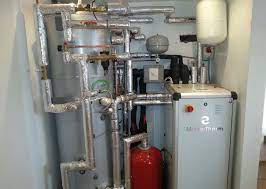
In an era where energy efficiency and sustainability take center stage, air source heat pump cylinders have emerged as a groundbreaking solution for both residential and commercial heating needs. This article delves into the fascinating technology behind air source heat pump cylinders, their benefits, and why they are becoming a preferred choice for eco-conscious homeowners and businesses alike.
What Are Air Source Heat Pump Cylinders?
Air source heat pump cylinders are innovative systems that extract heat from the ambient air and use it to heat water. Unlike traditional heating methods that rely on fossil fuels, these systems leverage renewable energy, making them an eco-friendly and cost-effective choice. The core of this technology lies in its ability to efficiently transfer heat even in colder climates, transforming low-grade heat from the air into high-grade heat for water heating.
How Do Air Source Heat Pump Cylinders Work?
The operation of an air source heat pump cylinder can be broken down into four key steps:
- Heat Absorption: The system draws in ambient air, which contains thermal energy even at low temperatures. This air is passed over an evaporator coil containing a refrigerant.
- Compression: The absorbed heat causes the refrigerant to evaporate, and the resulting gas is compressed. Compression increases the temperature of the refrigerant significantly.
- Heat Transfer: The high-temperature refrigerant passes through a heat exchanger, transferring its heat to the water stored in the cylinder.
- Recycling: The refrigerant cools down, condenses back into a liquid, and is recycled to repeat the process.
This cycle is highly efficient, often delivering more energy as heat than the electrical energy consumed.
Key Benefits of Air Source Heat Pump Cylinders
1. Energy Efficiency
Air source heat pump cylinders are among the most energy-efficient water heating systems available. With a coefficient of performance (COP) often exceeding 3, they can produce three units of heat for every unit of electricity consumed.
2. Environmental Sustainability
By harnessing renewable energy from the air, these systems significantly reduce carbon emissions. This makes them a cornerstone for households and businesses aiming to minimize their environmental impact.
3. Cost Savings
While the initial installation costs may be higher, the long-term savings on energy bills make air source heat pump cylinders a financially sound investment. Additionally, many governments offer incentives and rebates to encourage the adoption of renewable energy technologies.
4. Versatility
Air source heat pump cylinders are versatile and can be integrated into existing heating systems. They work efficiently in a variety of climates and are suitable for both domestic and commercial applications.
5. Low Maintenance Requirements
Compared to traditional heating systems, air source heat pump cylinders require minimal maintenance. Routine checks and occasional servicing are sufficient to ensure their optimal performance and longevity.
Applications of Air Source Heat Pump Cylinders
1. Residential Use
In homes, air source heat pump cylinders provide a reliable source of hot water for daily needs. They can be integrated with underfloor heating systems or used to supply hot water to radiators.
2. Commercial and Industrial Use
Businesses and industries benefit from the scalability of these systems. Whether it’s for heating large buildings or providing hot water for manufacturing processes, air source heat pump cylinders offer a dependable solution.
3. Off-Grid Living
For properties in remote locations, air source heat pump cylinders can be paired with solar panels or other renewable energy sources to create an entirely off-grid heating solution.
Factors to Consider Before Installation
While air source heat pump cylinders offer numerous advantages, there are factors to consider before installation:
- Climate Suitability: Although modern systems perform well in colder climates, efficiency may vary with extreme temperatures.
- Space Requirements: Adequate space is needed for the outdoor unit and proper airflow.
- Upfront Costs: While long-term savings are significant, the initial investment can be substantial.
- Professional Installation: Proper installation is critical for maximizing efficiency and performance.
Future of Air Source Heat Pump Cylinders
The future of air source heat pump cylinders looks promising, driven by advancements in technology and growing awareness of environmental issues. Innovations such as higher-efficiency refrigerants, smart controls, and integration with home automation systems are set to enhance their performance and usability. Additionally, as governments worldwide push for renewable energy adoption, air source heat pump cylinders will play a vital role in achieving global sustainability goals.
Conclusion
Air source heat pump cylinders are a testament to the power of innovation in creating sustainable and efficient heating solutions. From their energy efficiency to their environmental benefits, these systems offer a compelling case for adoption in both residential and commercial settings. As technology continues to evolve, the potential of air source heat pump cylinders will only grow, making them a cornerstone of the sustainable energy landscape.