Introduction
Are you considering a geothermal heat pump (GHP) for your home but wondering about the costs involved? Understanding the financial aspects of installing a GHP is crucial to making an informed decision. This article breaks down the various costs associated with geothermal heat pumps, from initial installation to long-term savings, and explores the factors influencing these costs.
Initial Installation Costs
System Components and Equipment
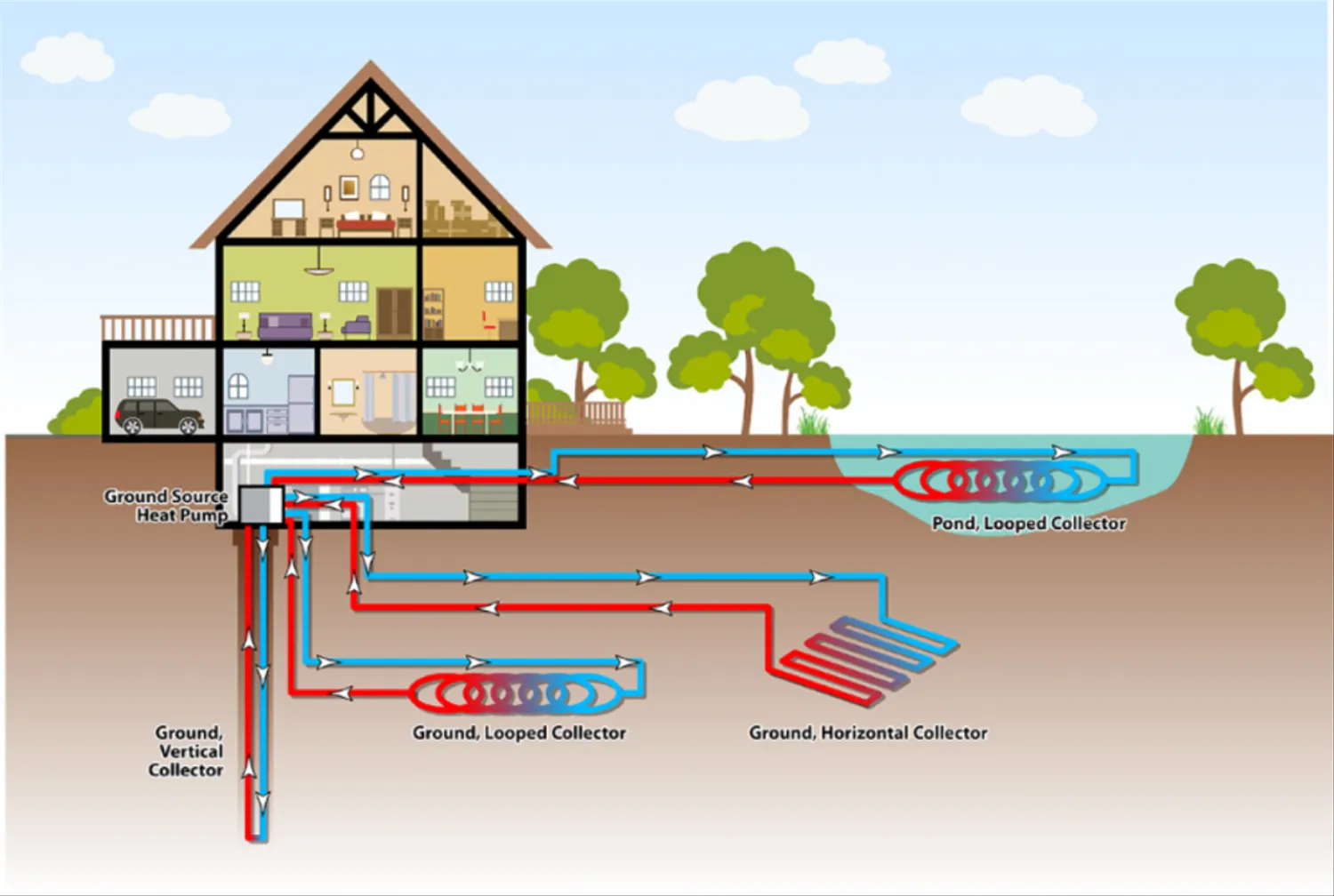
The cost of the geothermal heat pump system itself includes several components: the heat pump unit, the ground loop (either horizontal or vertical), and the necessary ductwork or radiant heating system integration. On average, the equipment costs can range from $10,000 to $20,000, depending on the size and type of the system.
Site Evaluation and Preparation
Before installation, a thorough site evaluation is necessary to determine the feasibility of a geothermal system. This assessment includes soil testing, land survey, and system design, which can add another $1,500 to $3,000 to the initial costs.
Drilling and Loop Installation
One of the most significant expenses is the drilling or trenching required to install the ground loop. The cost of this process varies based on the type of loop system chosen:
- Horizontal Loops: Generally less expensive, costing between $10,000 and $15,000, but require more land.
- Vertical Loops: More expensive, ranging from $15,000 to $25,000, but suitable for smaller properties.
Labor Costs
Professional installation is essential for ensuring the system's efficiency and longevity. Labor costs typically range from $3,000 to $8,000, depending on the complexity of the installation and the region.
Long-term Savings
Reduced Energy Bills
One of the primary benefits of geothermal heat pumps is their high energy efficiency. Homeowners can expect to save 30-70% on heating and cooling bills compared to conventional systems. Over time, these savings can offset the initial investment.
Maintenance Costs
Geothermal systems have lower maintenance costs compared to traditional HVAC systems. Regular maintenance involves simple tasks like filter changes and annual inspections, which typically cost between $100 and $300 per year.
Increased Property Value
Installing a GHP can increase your home's value due to its energy efficiency and environmental benefits. This added value can make the initial cost more palatable.
Financing Options and Incentives
Federal and State Incentives
Various incentives can help reduce the initial cost of a geothermal heat pump. In the United States, the federal government offers a tax credit for 26% of the installation cost. Many states also offer additional rebates and incentives.
Loans and Financing Plans
Many installers offer financing plans that allow homeowners to spread the cost over several years. Low-interest loans and energy-efficient mortgages are also available to help manage the upfront expense.
Factors Influencing Cost
Property Size and Requirements
Larger homes require more extensive systems, which increases the cost. Additionally, the specific heating and cooling needs of your home will influence the size and type of system required.
Soil and Rock Conditions
The type of soil and presence of rocks can impact the cost of drilling and trenching. Difficult terrain can increase installation costs significantly.
System Configuration
The choice between horizontal and vertical loops, as well as the decision to integrate the system with existing ductwork or install a new radiant heating system, will affect the overall cost.
Comparing Costs with Other Systems
Geothermal vs. Traditional HVAC
While the initial cost of a geothermal system is higher than traditional HVAC systems, the long-term savings and efficiency make it a cost-effective option over time. Traditional systems typically cost between $3,000 and $7,000 to install but have higher operational and maintenance costs.
Geothermal vs. Solar Heating
Both geothermal and solar heating systems offer renewable energy solutions. Solar systems can range from $15,000 to $25,000, similar to geothermal systems, but their efficiency is dependent on sunlight availability. Geothermal systems provide consistent energy year-round, making them more reliable in various climates.
Conclusion
Investing in a geothermal heat pump involves a significant upfront cost, but the long-term benefits, including reduced energy bills, lower maintenance costs, and increased property value, make it a worthwhile investment. By understanding the factors that influence the cost and exploring available financing options and incentives, homeowners can make informed decisions about integrating this sustainable technology into their homes.