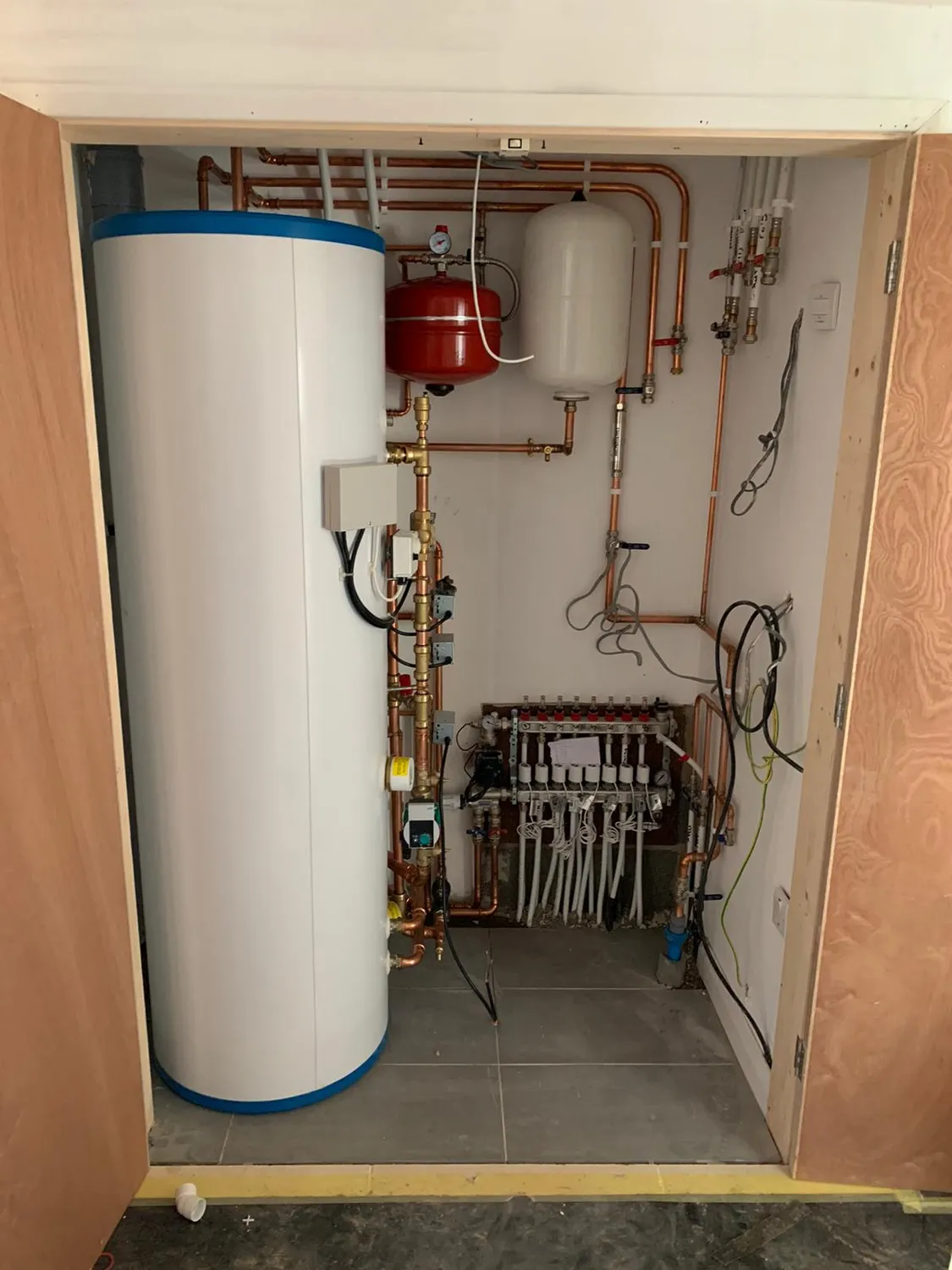
In an era where environmental sustainability is more important than ever, eco-conscious living has become a priority for individuals and businesses alike. Air source heat pump cylinders are at the forefront of this movement, offering an innovative and sustainable approach to heating and hot water. These systems combine efficiency, affordability, and environmental benefits, making them indispensable for anyone committed to reducing their carbon footprint. Here’s why air source heat pump cylinders are essential for eco-conscious living.
What Are Air Source Heat Pump Cylinders?
Air source heat pump cylinders are water storage systems that work in tandem with air source heat pumps. These systems extract heat from the air, even in cold conditions, and transfer it to water stored in a well-insulated cylinder. This process provides an eco-friendly and energy-efficient alternative to traditional fossil fuel-based heating methods.
The Eco-Friendly Advantage
1. Renewable Energy Source
Air source heat pumps use renewable energy from the air to heat water, reducing dependency on non-renewable energy sources such as gas or oil.
- Sustainable Heating: The heat from the air is a resource that is naturally replenished, making it an ideal choice for eco-conscious users.
- Carbon Reduction: By replacing fossil fuel-based systems, users can cut their greenhouse gas emissions by up to 70%.
2. Energy Efficiency
The efficiency of air source heat pump cylinders is a key reason for their popularity:
- High Coefficient of Performance (CoP): For every unit of electricity used, these systems produce 3–5 units of heat.
- Minimal Energy Waste: Advanced designs ensure optimal heat transfer and minimal loss, enhancing overall efficiency.
Benefits for Eco-Conscious Households
1. Lower Carbon Footprint
Switching to air source heat pump cylinders is a significant step toward a sustainable lifestyle:
- Reduces reliance on fossil fuels.
- Aligns with global carbon reduction targets, contributing to a cleaner environment.
2. Long-Term Energy Savings
Energy-efficient systems result in lower utility bills, making green living more affordable.
- Households can save up to 50% on heating costs annually.
- Initial installation costs are offset by long-term savings and government incentives.
3. Compatibility with Renewable Energy Systems
Air source heat pump cylinders can be integrated with other renewable energy sources, such as:
- Solar Panels: For even greater energy efficiency.
- Wind Turbines: Ideal for off-grid or remote locations.
Applications in Sustainable Living
1. Residential Settings
Eco-conscious homeowners are increasingly opting for air source heat pump cylinders to reduce their environmental impact and save on energy costs.
2. Commercial and Public Spaces
Businesses and institutions are adopting these systems to meet sustainability goals and reduce operational costs.
- Examples include hotels, gyms, and schools, where consistent hot water supply is essential.
3. Off-Grid Properties
For off-grid properties, air source heat pump cylinders paired with renewable energy sources offer complete independence from traditional energy grids.
How Air Source Heat Pump Cylinders Work
The process behind these systems is both simple and efficient:
- Heat Extraction: The heat pump absorbs warmth from the air using a refrigerant.
- Compression: The refrigerant is compressed to increase its temperature.
- Heat Transfer: The heated refrigerant transfers energy to the water stored in the cylinder.
- Storage and Distribution: Hot water is stored and ready for use in taps, showers, and heating systems.
This process ensures minimal energy waste and consistent performance throughout the year, even in low temperatures.
Challenges and Solutions
1. Upfront Costs
- Challenge: The initial installation cost may seem high compared to traditional systems.
- Solution: Government grants, subsidies, and energy efficiency incentives help reduce the financial burden.
2. Performance in Cold Climates
- Challenge: Efficiency can decline in extreme cold.
- Solution: Modern systems are engineered to perform well even at temperatures as low as -15°C, with auxiliary heating options available if necessary.
3. Space Requirements
- Challenge: Installing a heat pump and cylinder requires adequate space.
- Solution: Compact models and clever placement strategies make these systems feasible for smaller properties.
How to Transition to Air Source Heat Pump Cylinders
1. Assess Your Needs
Evaluate your property’s heating and hot water requirements to determine the right system size and specifications.
2. Explore Incentives
Research available grants, subsidies, or tax breaks in your region to lower installation costs.
3. Partner with Experts
Work with qualified professionals to ensure proper installation and optimal system performance.
Why They’re a Must for Eco-Conscious Living
Air source heat pump cylinders embody the principles of eco-conscious living:
- They utilize renewable energy to reduce reliance on fossil fuels.
- Their efficiency saves money while protecting the planet.
- They are a step toward meeting global sustainability goals, such as carbon neutrality by 2050.
For those committed to making a difference, adopting air source heat pump cylinders is not just a choice—it’s a responsibility.