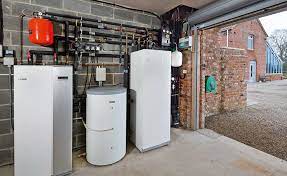
What Are Air Source Heat Pump Cylinders?
Air Source Heat Pump (ASHP) cylinders are an integral part of modern energy-efficient heating systems. These cylinders are designed to store and distribute the heat generated by air source heat pumps, ensuring a reliable supply of hot water for domestic and commercial use. By leveraging ambient air to generate heat, these systems minimize carbon emissions while maximizing energy efficiency.
An air source heat pump extracts heat from the outside air, even in low temperatures, and transfers it to a heat cylinder. The stored energy can then be used to heat water for showers, baths, or radiators, offering a sustainable and cost-effective alternative to traditional heating systems.
How Do Air Source Heat Pump Cylinders Work?
Air source heat pumps operate using a refrigeration cycle, transferring heat from the outside air to a liquid refrigerant. The heat is then compressed, increasing its temperature, before being transferred to the cylinder where it heats water. This process is highly efficient, with modern systems capable of producing up to three times more energy than they consume.
ASHP cylinders are specifically designed to optimize the heat pump’s performance. These cylinders often come with enhanced insulation to minimize heat loss and maintain water at the desired temperature for extended periods. Their unique design ensures compatibility with low-temperature heating systems, making them ideal for underfloor heating and energy-efficient radiators.
Benefits of Air Source Heat Pump Cylinders
1. Energy Efficiency
One of the most significant advantages of ASHP cylinders is their exceptional energy efficiency. By utilizing renewable energy from the air, they reduce reliance on fossil fuels, leading to lower energy bills and a smaller carbon footprint.
2. Environmental Sustainability
Air source heat pumps and their associated cylinders are pivotal in the transition to greener energy. By producing minimal greenhouse gas emissions, they contribute to achieving sustainability goals and combating climate change.
3. Versatility
ASHP cylinders can be integrated into various heating systems, including underfloor heating, traditional radiators, and domestic hot water supply. Their adaptability makes them suitable for both residential and commercial applications.
4. Low Maintenance Requirements
These systems are known for their durability and low maintenance needs. With proper installation and periodic servicing, air source heat pump cylinders can provide reliable service for up to 20 years.
5. Government Incentives
Many governments offer incentives, such as grants or tax credits, to encourage the adoption of renewable heating systems. This financial support can significantly offset the initial installation costs.
Key Features of Air Source Heat Pump Cylinders
1. High-Performance Insulation
Modern ASHP cylinders feature advanced insulation materials that minimize heat loss. This ensures optimal energy efficiency and reduces the amount of energy required to maintain water temperature.
2. Large Storage Capacity
Air source heat pump cylinders are available in a range of sizes, catering to various household and commercial needs. Larger capacity cylinders can store significant amounts of hot water, ensuring a consistent supply even during periods of high demand.
3. Smart Controls
Many ASHP cylinders are equipped with intelligent control systems, allowing users to monitor and adjust water temperature remotely. These controls can be integrated with smart home systems for enhanced convenience and energy management.
4. Corrosion Resistance
To ensure longevity, ASHP cylinders are constructed with materials that resist corrosion, such as stainless steel. This design feature reduces maintenance needs and extends the cylinder’s lifespan.
Installation Considerations for ASHP Cylinders
1. Professional Assessment
Before installation, it’s crucial to have a professional assess your property’s heating requirements. This ensures that the selected ASHP cylinder is appropriately sized and compatible with your existing heating system.
2. Proper Location
The cylinder should be installed in a location that minimizes heat loss and provides easy access for maintenance. It’s also essential to ensure that the heat pump itself is placed in an area with adequate airflow.
3. System Integration
For optimal performance, the ASHP cylinder must be correctly integrated with the heat pump and other components of the heating system. This requires precise calibration and professional expertise.
4. Compliance with Regulations
Ensure that the installation complies with local building codes and regulations. This may include obtaining permits and having the system inspected by certified professionals.
Air Source Heat Pump Cylinders vs. Traditional Systems
Energy Source
Traditional heating systems often rely on gas or oil, which are finite resources. In contrast, ASHP systems harness renewable energy from the air, making them a more sustainable choice.
Efficiency
ASHP cylinders are significantly more efficient than traditional water heaters, with a coefficient of performance (COP) that can exceed 3.0. This means they generate more heat than the energy they consume.
Cost-Effectiveness
While the upfront cost of installing an ASHP system may be higher, the long-term savings on energy bills and maintenance make it a cost-effective investment.
Environmental Impact
By reducing reliance on fossil fuels, air source heat pump cylinders significantly lower carbon emissions, contributing to a cleaner environment.
Choosing the Right Air Source Heat Pump Cylinder
1. Assess Your Needs
Consider the size of your property and the number of occupants when selecting a cylinder. Larger households with higher water usage may require a cylinder with a greater capacity.
2. Look for Quality Insulation
Invest in a cylinder with superior insulation to reduce heat loss and improve energy efficiency.
3. Opt for Smart Features
Cylinders with smart controls can help you monitor and manage energy usage, enhancing convenience and cost savings.
4. Choose a Reliable Brand
Select a cylinder from a reputable manufacturer known for quality and durability. Look for products with comprehensive warranties and positive customer reviews.
Future of Air Source Heat Pump Cylinders
The adoption of ASHP cylinders is expected to grow as governments and consumers prioritize sustainability. Innovations in technology will likely lead to even greater efficiency, improved durability, and enhanced features. As part of a broader shift towards renewable energy, air source heat pump cylinders will play a critical role in reducing carbon footprints and promoting energy independence.