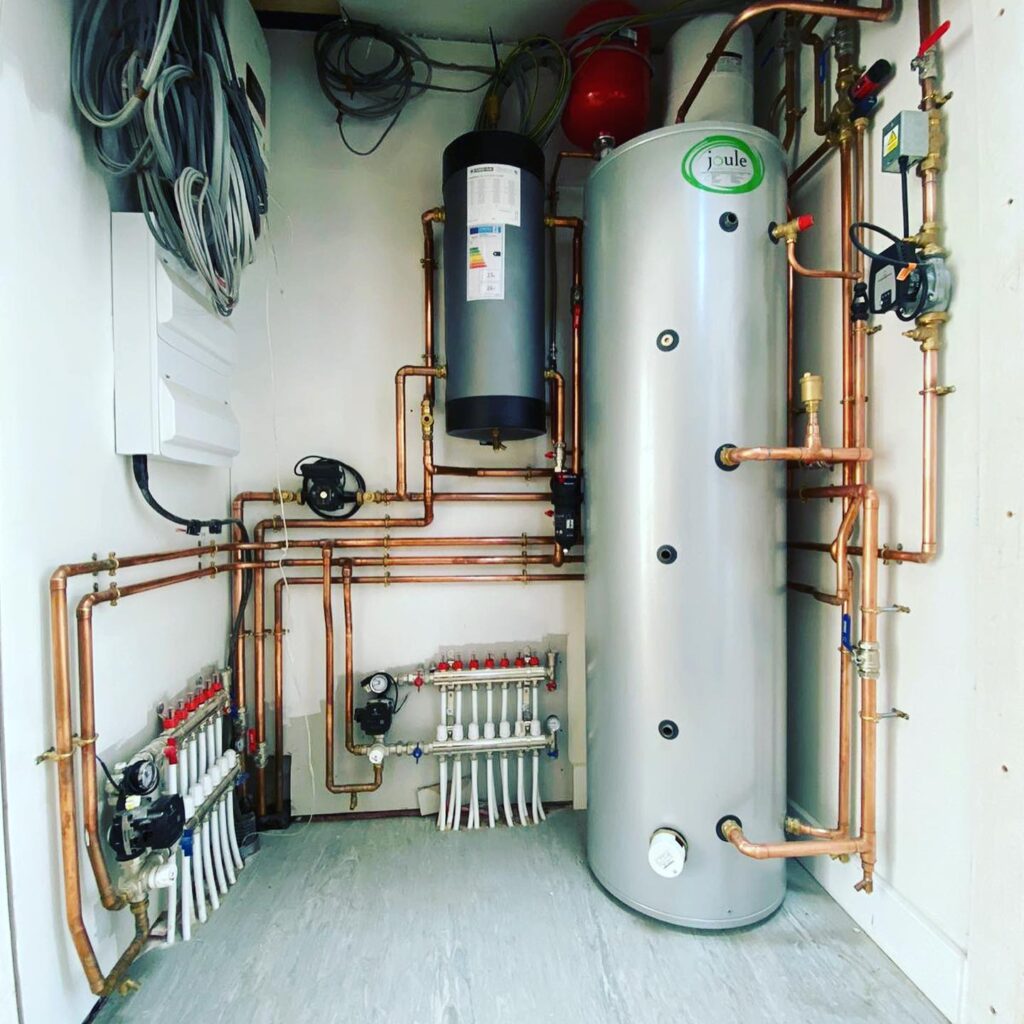
As technology continues to evolve, so too does the world of heating systems. Smart controls and automation have become essential components in modern heating solutions, particularly with air source heat pump (ASHP) cylinders. These advancements have transformed how we manage heating systems, allowing for greater control, improved efficiency, and enhanced usability.
In this article, we will explore the role of smart technology in air source heat pump cylinders, examining how smart controls optimize performance, reduce energy consumption, and provide homeowners with a more convenient heating experience.
What are Smart Controls in Air Source Heat Pump Cylinders?
Smart controls refer to digital or automated systems that allow homeowners to monitor, control, and optimize their heating systems remotely. When integrated into air source heat pump cylinders, these controls use data and algorithms to automatically adjust the operation of the heat pump and its storage cylinder, ensuring optimal performance and energy efficiency.
Smart controls can be accessed through mobile apps, web interfaces, or even smart home ecosystems like Google Home or Amazon Alexa. They provide real-time insights into energy usage, temperature settings, and the overall efficiency of the heating system.
How Smart Technology Enhances Usability and Efficiency
1. Real-Time Monitoring and Control
One of the most significant benefits of smart controls is the ability to monitor and control the air source heat pump system in real-time. Homeowners can view system performance, track energy usage, and make adjustments from anywhere, at any time, using a smartphone or tablet.
For example, if a homeowner realizes they forgot to turn off the heating while away, they can remotely lower the temperature or switch off the system completely, preventing unnecessary energy consumption. Similarly, they can preheat their home before returning, ensuring it’s warm and comfortable upon arrival.
Real-time control not only enhances convenience but also allows homeowners to respond quickly to changes in weather conditions, energy prices, or their daily schedule, further improving energy efficiency.
2. Automated Scheduling and Temperature Adjustments
Smart controls allow homeowners to set up automated schedules that adjust the heat pump cylinder's operation based on their routine. Instead of manually turning the system on and off, users can program the system to automatically reduce the temperature during the night or when they are at work and increase it before they wake up or return home.
By ensuring that the system only runs when needed, automated scheduling helps reduce energy wastage and ensures that homeowners always have access to hot water and heating when required.
For instance, some smart systems can even learn user habits and adjust temperatures based on historical data, delivering personalized comfort without any manual input.
3. Weather and Energy Price Integration
Another advantage of smart controls in air source heat pump cylinders is the ability to integrate with external data, such as weather forecasts and energy prices. Some advanced systems can adjust the operation of the heat pump based on upcoming weather conditions. If colder temperatures are predicted, the system can automatically increase the heating output to prepare for the demand, or reduce heating when milder weather is expected.
Similarly, for homes in regions with variable energy tariffs, smart controls can adjust the operation of the heat pump to take advantage of lower energy prices during off-peak times. By running the system more intensively when electricity is cheaper, homeowners can reduce their overall energy costs while maintaining the desired level of comfort.
4. Load Shifting and Demand Response
Smart controls also enable load shifting and demand response capabilities. Load shifting refers to adjusting the timing of energy use to take advantage of cheaper or more readily available energy, such as solar power during daylight hours or off-peak electricity.
In some cases, smart heat pump systems can participate in demand response programs, where utilities incentivize homeowners to reduce energy consumption during peak periods. The smart control system can automatically adjust the heating or hot water settings when a demand response event is triggered, helping to balance the energy grid while saving homeowners money.
5. Remote Diagnostics and Maintenance
Smart technology also simplifies the maintenance of air source heat pump systems. Many smart control systems provide diagnostic tools that allow homeowners and technicians to monitor the system’s health remotely. If a problem arises, such as a drop in efficiency or a component malfunction, the system can send an alert to both the homeowner and the installer, facilitating quicker repairs and reducing downtime.
Additionally, some smart systems can perform predictive maintenance by analyzing historical data and identifying patterns that suggest wear or failure in certain components. This proactive approach helps prevent unexpected breakdowns and extends the lifespan of the heating system.
Advantages of Smart Controls for Homeowners
1. Enhanced Energy Efficiency
Perhaps the most significant benefit of integrating smart controls with air source heat pump cylinders is the ability to optimize energy efficiency. By automating the heating system based on real-time data, weather forecasts, and energy prices, homeowners can reduce unnecessary energy consumption. Over time, these energy savings can result in significantly lower utility bills.
2. Improved Comfort and Convenience
Smart controls make managing the heating system more convenient and user-friendly. Instead of manually adjusting settings, homeowners can rely on the system to automatically maintain optimal comfort levels, whether it’s ensuring consistent hot water availability or preheating the home before they arrive.
3. Environmental Benefits
By optimizing energy use, smart controls help reduce the carbon footprint associated with home heating. Efficient operation reduces the amount of electricity consumed, which in turn lowers the overall demand on the energy grid, especially during peak periods. For those using renewable energy sources to power their heat pumps, smart controls further enhance the environmental benefits by making the most of renewable generation.
4. Long-Term Cost Savings
Although the initial investment in smart controls may be higher, the long-term savings can be substantial. By reducing energy waste, minimizing peak-time energy consumption, and improving system performance, homeowners can recoup the cost of smart technology through lower energy bills and extended system life.
Challenges of Smart Controls and Automation
While the benefits of smart controls are clear, there are some challenges to consider:
- Initial Setup Costs: Smart control systems often come with higher upfront costs due to the need for additional hardware and installation services. However, the long-term energy savings typically outweigh these initial expenses.
- Compatibility Issues: Not all heat pump systems are compatible with every type of smart control system. It’s important to ensure that the selected smart technology integrates smoothly with the existing heating system to avoid performance issues.
- Data Privacy and Security: As with any connected device, smart heating systems can be vulnerable to hacking or data breaches. Homeowners should take steps to secure their systems, such as using strong passwords and keeping software up to date.
Future Trends in Smart Technology for Heat Pump Cylinders
The integration of artificial intelligence (AI) and machine learning is set to further revolutionize smart controls for air source heat pump cylinders. Future systems will likely be even more intelligent, capable of learning user behaviors, predicting energy consumption patterns, and continuously optimizing performance with minimal human input.
Additionally, as smart home ecosystems become more interconnected, we may see greater integration of heat pump systems with other smart home devices, such as thermostats, lighting, and security systems. This will create a fully connected home environment that operates seamlessly and efficiently.
Conclusion
The integration of smart controls and automation into air source heat pump cylinders is transforming how we heat our homes. From real-time monitoring and automated scheduling to energy price integration and remote diagnostics, smart technology offers a wide range of benefits that enhance both usability and energy efficiency.
As smart systems continue to evolve, homeowners can look forward to even greater flexibility, cost savings, and environmental benefits. For those looking to future-proof their heating system, the addition of smart controls is a powerful way to ensure optimal performance while enjoying a more convenient and energy-efficient home.