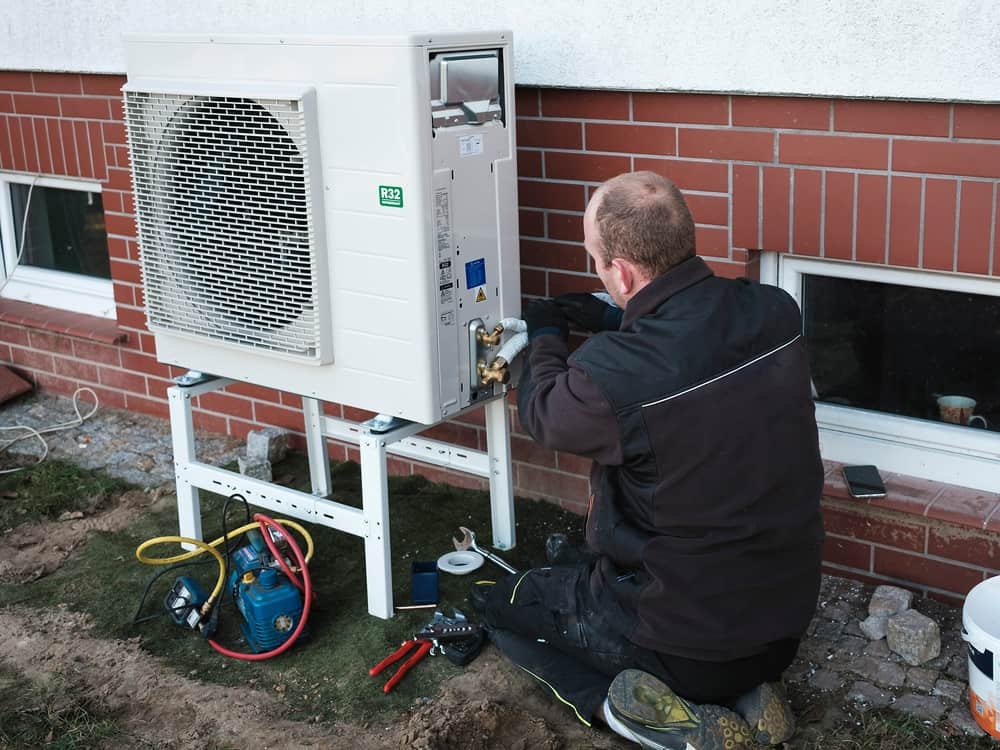
In today's quest for energy-efficient and eco-friendly heating solutions, heat pumps have emerged as a popular choice for homeowners and businesses alike. But what exactly does heat pump installation entail, and why should you consider it for your property?
Introduction to Heat Pump Installation
Heat pump installation involves the setup of a heating and cooling system that transfers heat between indoor and outdoor environments. Unlike traditional heating systems that generate heat, heat pumps extract heat from the air, ground, or water sources and distribute it inside a building during colder months. In warmer months, the process is reversed to provide cooling.
Understanding Heat Pumps
How Heat Pumps Work
Heat pumps operate on the principle of thermodynamics, utilizing refrigerant cycles to transfer heat. During the heating mode, the refrigerant absorbs heat from the outside air, ground, or water source and releases it indoors. In the cooling mode, the process is reversed, with heat being expelled from indoors to outdoors.
Types of Heat Pumps
There are several types of heat pumps available, including air source, ground source (geothermal), and water source heat pumps. Each type has its unique advantages and is suited for different environments and climates.
Benefits of Installing a Heat Pump
Energy Efficiency
One of the primary benefits of heat pump installation is its high energy efficiency. By utilizing renewable heat sources and employing advanced technology, heat pumps can provide significant energy savings compared to conventional heating systems.
Cost Savings
Although the initial cost of installing a heat pump may be higher than traditional heating systems, the long-term cost savings can be substantial. Lower energy consumption translates to reduced utility bills over time, making heat pumps a cost-effective heating solution.
Environmental Impact
Heat pumps have a minimal environmental footprint compared to fossil fuel-based heating systems. By harnessing renewable energy sources, heat pumps help reduce greenhouse gas emissions and contribute to a more sustainable future.
Factors to Consider Before Installation
Before proceeding with heat pump installation, several factors should be taken into account to ensure optimal performance and efficiency.
Property Size and Layout
The size and layout of your property will influence the type and capacity of heat pump required. Proper sizing is essential to ensure adequate heating and cooling throughout the building.
Climate Conditions
Climate conditions play a significant role in the effectiveness of heat pumps. While air source heat pumps are suitable for most climates, ground source heat pumps may be more efficient in areas with moderate to cold temperatures.
Existing Heating System
Consideration should be given to the compatibility of the existing heating system with the heat pump. In some cases, modifications or upgrades may be necessary to integrate the new system seamlessly.
Steps of Heat Pump Installation
Assessment and Sizing
The first step in heat pump installation is conducting a thorough assessment of the property to determine heating and cooling requirements. Sizing calculations are then performed to select the appropriate capacity heat pump.
Location Selection
Choosing the right location for the heat pump unit is crucial for optimal performance and efficiency. Factors such as access to outdoor air, noise considerations, and aesthetic concerns should be taken into account.
Installation Process
Once the assessment is complete and the location is selected, the installation process can begin. This involves mounting the outdoor unit, connecting refrigerant lines, installing indoor air handlers or radiators, and configuring the control system.
Testing and Commissioning
After installation, the system is thoroughly tested to ensure all components are functioning correctly. Adjustments may be made to optimize performance, and the system is commissioned for operation.
Hiring a Professional vs. DIY Installation
Pros and Cons of Professional Installation
While hiring a professional HVAC contractor for heat pump installation ensures expertise and reliability, it can be more costly than DIY installation. However, professional installation minimizes the risk of errors and ensures compliance with safety and building codes.
Risks and Challenges of DIY Installation
DIY installation may be tempting to save money, but it carries inherent risks and challenges. Improper installation can lead to reduced efficiency, premature equipment failure, and safety hazards. DIYers should have a thorough understanding of HVAC systems and follow manufacturer guidelines meticulously.
Maintenance Tips for Optimal Performance
To prolong the lifespan and ensure optimal performance of your heat pump system, regular maintenance is essential.
Regular Inspections
Periodic inspections of the heat pump unit, including checking refrigerant levels, inspecting electrical connections, and cleaning coils, help identify potential issues before they escalate.
Filter Replacement
Regular filter replacement is necessary to maintain indoor air quality and prevent airflow restrictions. Dirty filters can impair system performance and increase energy consumption.
Professional Servicing
Annual professional servicing by a qualified HVAC technician is recommended to address any issues and perform routine maintenance tasks. This helps keep the system running smoothly and ensures maximum efficiency.
Conclusion
Heat pump installation offers numerous benefits, including energy efficiency, cost savings, and environmental sustainability. By understanding the installation process, considering key factors, and following maintenance guidelines, homeowners can enjoy reliable and efficient heating and cooling year-round.