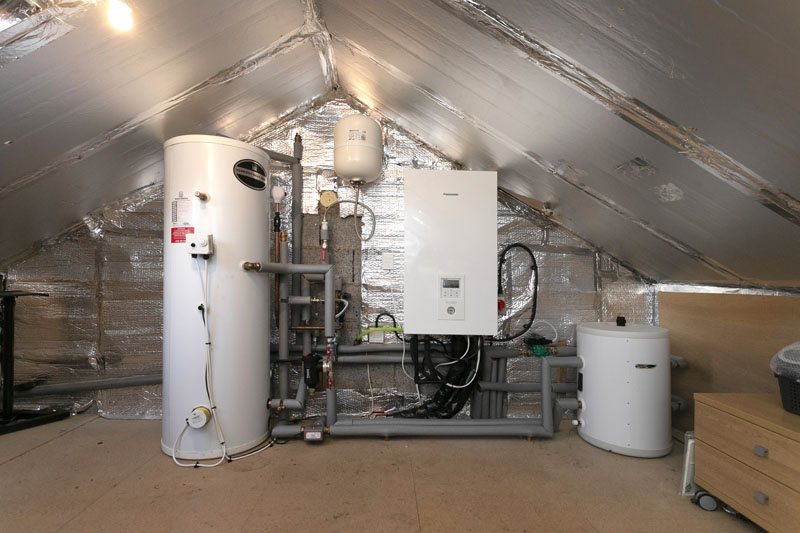
Introduction to Air Source Heat Pump Cylinders
In the quest for energy-efficient and environmentally friendly heating systems, air source heat pump (ASHP) cylinders have emerged as a game-changing technology. These systems are gaining popularity among homeowners and businesses alike due to their ability to harness renewable energy from the air and efficiently heat water for domestic and commercial purposes. This article explores the advantages, functionality, installation, and maintenance of air source heat pump cylinders, along with their growing importance in sustainable living.
What Are Air Source Heat Pump Cylinders?
Air source heat pump cylinders are advanced heating units that combine the benefits of air source heat pumps with the storage capacity of a hot water cylinder. Unlike conventional boilers that rely on fossil fuels, ASHP cylinders extract heat from the ambient air, even in colder climates, to provide a cost-effective and eco-friendly heating solution. These systems are suitable for various applications, including underfloor heating, radiators, and hot water supply.
How Do Air Source Heat Pump Cylinders Work?
The operation of an air source heat pump cylinder involves several key components:
- Heat Extraction: The heat pump extracts thermal energy from the outside air through a refrigerant cycle.
- Compression: A compressor amplifies the captured heat to a higher temperature.
- Heat Transfer: The heat is transferred to the water stored in the cylinder, making it ready for use.
This process is efficient because it uses a small amount of electricity to move heat, rather than generate it, resulting in reduced energy consumption.
Benefits of Air Source Heat Pump Cylinders
1. Energy Efficiency
Air source heat pump cylinders are designed to achieve high efficiency, often delivering 3 to 4 units of heat for every unit of electricity consumed. This performance makes them one of the most energy-efficient heating solutions available.
2. Environmental Sustainability
By utilizing renewable energy from the air, ASHP systems significantly reduce carbon emissions. They contribute to achieving global climate goals by offering a sustainable alternative to traditional heating methods.
3. Cost Savings
Though the initial installation cost may be higher than traditional systems, the long-term savings on energy bills and government incentives make air source heat pump cylinders a smart investment.
4. Year-Round Versatility
These systems work effectively across different seasons, providing heating in winter and cooling in summer when integrated with reverse-cycle technology.
5. Easy Integration
Air source heat pump cylinders can be integrated with existing heating systems, making them a flexible choice for retrofits and new constructions.
Installation Process: What to Expect
Installing an air source heat pump cylinder involves several steps, ensuring optimal performance and efficiency:
1. Site Assessment
A professional installer evaluates your property to determine the best placement for the heat pump and cylinder. Factors such as airflow, noise levels, and proximity to existing plumbing are considered.
2. Heat Load Calculation
The installer calculates the heating and hot water requirements of your home or business to recommend the appropriate system size.
3. Installation
The heat pump unit is installed outdoors, while the cylinder is placed indoors. Both are connected via refrigerant and water pipes.
4. System Setup and Testing
The system is configured to match your heating preferences, and thorough testing ensures everything operates as expected.
Maintenance Tips for Air Source Heat Pump Cylinders
Proper maintenance is essential to maximize the lifespan and efficiency of your ASHP cylinder:
- Regular Servicing: Schedule professional inspections annually to check for wear and tear.
- Clean Filters: Keep filters free of dirt and debris to maintain optimal airflow.
- Monitor Performance: Track energy consumption and heating output to detect any anomalies.
- Protect Against Freezing: Use antifreeze solutions in colder climates to prevent damage to the system.
The Future of Air Source Heat Pump Cylinders
With advancements in technology and growing awareness about climate change, air source heat pump cylinders are poised to become a mainstream solution for heating needs. Governments and organizations worldwide are encouraging their adoption through subsidies and incentives, further enhancing their affordability and appeal.
Conclusion
Air source heat pump cylinders represent a pivotal innovation in the transition toward sustainable energy solutions. By combining efficiency, versatility, and environmental benefits, these systems are revolutionizing how we heat our homes and businesses. Whether you're building a new property or upgrading your existing system, investing in an air source heat pump cylinder is a step toward a greener and more energy-efficient future.