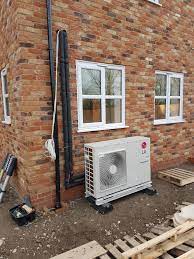
In recent years, the need for sustainable and energy-efficient solutions has grown significantly. For homeowners in Hampshire, air source heat pumps (ASHPs) present an eco-friendly and cost-effective way to ensure comfort while reducing energy consumption. In this article, we delve into the benefits, functionality, and installation processes of air source heat pumps, showcasing why they are an excellent choice for Hampshire properties.
What Are Air Source Heat Pumps?
Air source heat pumps are innovative systems designed to extract heat from the outside air and transfer it into your home for heating and hot water. Even in colder climates, these pumps can efficiently convert ambient air into usable energy. Unlike conventional heating systems, ASHPs do not rely on fossil fuels, making them a greener alternative for homeowners aiming to lower their carbon footprint.
Key Benefits of Air Source Heat Pumps
1. Energy Efficiency
ASHPs are renowned for their high energy efficiency. For every unit of electricity used, they can generate up to three units of heat. This remarkable efficiency makes them a cost-effective solution, especially when paired with government incentives like the Boiler Upgrade Scheme.
2. Reduced Carbon Footprint
Switching to an air source heat pump can significantly reduce greenhouse gas emissions. By relying on renewable energy, these systems minimize the reliance on fossil fuels, contributing to a cleaner and more sustainable environment in Hampshire.
3. Lower Energy Bills
Thanks to their efficiency, homeowners can enjoy reduced energy bills. ASHPs work optimally when paired with well-insulated properties, ensuring that heat is retained and energy usage is minimized.
4. Year-Round Comfort
Many air source heat pumps come with dual functionality, providing both heating in the winter and cooling in the summer. This versatility ensures your home remains comfortable all year long.
5. Government Support and Incentives
In Hampshire, homeowners can benefit from government schemes designed to promote renewable energy adoption. Programs such as the Boiler Upgrade Scheme provide grants to offset the cost of installation, making ASHPs an attractive and affordable option.
How Do Air Source Heat Pumps Work?
Air source heat pumps operate by using a refrigeration cycle to extract heat from the air outside and transfer it into your home. Here is a breakdown of their operation:
- Heat Absorption: The system absorbs heat from the outside air using a refrigerant.
- Compression: The refrigerant is compressed, increasing its temperature.
- Heat Transfer: The heat is transferred to the heating system in your home, such as radiators or underfloor heating.
- Circulation: The cooled refrigerant returns to the outdoor unit, and the cycle repeats.
Even in low temperatures, ASHPs can effectively extract heat, making them a reliable option for Hampshire's climate.
Types of Air Source Heat Pumps
1. Air-to-Air Heat Pumps
These systems transfer heat from the outside air to indoor air, providing space heating. They are ideal for properties that require supplementary heating or do not have existing wet heating systems.
2. Air-to-Water Heat Pumps
Air-to-water systems transfer heat to a water-based central heating system, such as radiators or underfloor heating. These pumps are perfect for whole-house heating and hot water production.
Factors to Consider Before Installation
1. Property Insulation
Proper insulation is crucial for maximizing the efficiency of an air source heat pump. Ensure that your home is well-insulated to prevent heat loss.
2. Outdoor Space
ASHPs require adequate outdoor space for installation. The external unit should be placed in a well-ventilated area to ensure optimal performance.
3. Noise Levels
Modern air source heat pumps are designed to operate quietly, but placement away from bedrooms or neighboring properties is advisable to minimize any potential disturbances.
4. Heating System Compatibility
Before installation, assess your existing heating system. Air source heat pumps work best with low-temperature heating systems, such as underfloor heating or oversized radiators.
Steps for Installing Air Source Heat Pumps in Hampshire
- Initial Assessment: A professional installer will evaluate your property to determine its suitability for an ASHP.
- System Selection: Choose the right type and size of heat pump based on your home’s heating requirements.
- Installation: The external unit is installed outside your property, and connections are made to your heating and hot water systems.
- Commissioning: Once installed, the system is tested and configured to ensure optimal performance.
- Maintenance: Regular maintenance is essential to keep your ASHP running efficiently. Clean filters and annual servicing are recommended.
Why Hampshire Homeowners Are Embracing Air Source Heat Pumps
The demand for air source heat pumps in Hampshire is rising due to their alignment with the county's sustainability goals. Hampshire’s mild climate is ideal for ASHPs, allowing them to operate efficiently throughout the year. Moreover, the availability of local installers and support services makes it easier for homeowners to transition to this eco-friendly solution.
Conclusion: A Sustainable Future with Air Source Heat Pumps
Air source heat pumps offer a practical and environmentally friendly solution for heating Hampshire properties. By choosing ASHPs, homeowners can enjoy lower energy bills, reduced carbon emissions, and year-round comfort. With government incentives and a growing network of professional installers, now is the perfect time to make the switch.
For Hampshire residents looking to enhance their home’s energy efficiency, air source heat pumps are a compelling choice. Explore the possibilities and join the movement towards a greener, more sustainable future.