In the quest for sustainable heating and cooling solutions, geothermal heat pumps have emerged as a promising technology with the potential to revolutionize the way we heat and cool our homes. Harnessing the constant temperature of the Earth below the surface, geothermal heat pumps offer a clean, efficient, and renewable alternative to traditional heating and cooling systems. In this comprehensive guide, we'll delve into the world of geothermal heat pumps, exploring their benefits, functionality, and environmental impact.
Understanding Geothermal Heat Pumps
Geothermal heat pumps, also known as ground source heat pumps, utilize the stable temperature of the Earth to provide heating, cooling, and hot water for residential and commercial buildings. Unlike conventional HVAC systems that rely on fossil fuels or electricity to generate heat or cool air, geothermal heat pumps transfer heat between the ground and the building, making them highly energy-efficient and environmentally friendly.
How Geothermal Heat Pumps Work
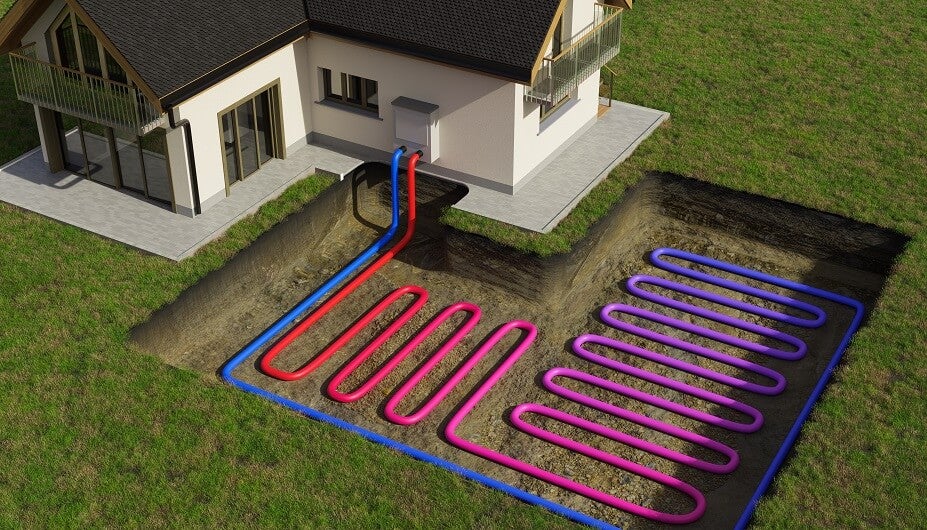
Geothermal heat pumps operate on the principle of ground-source heat exchange. A series of pipes, known as a ground loop, is buried underground to extract heat from the Earth's surface during the winter months and transfer it into the building for heating. During the summer, the process is reversed, with heat from the building being transferred back into the ground to provide cooling.
Types of Geothermal Heat Pump Systems
Closed-Loop Systems
Closed-loop geothermal heat pump systems circulate a mixture of water and antifreeze through a closed loop of pipes buried in the ground. This loop absorbs heat from the ground in winter and transfers it to the building, while in summer, it removes heat from the building and deposits it into the ground.
Open-Loop Systems
Open-loop systems utilize groundwater as a direct heat source or heat sink. Water is pumped from a well or other water source through the heat pump, where heat is extracted or rejected, before being discharged back into the ground or a surface water body.
Benefits of Geothermal Heat Pumps
Energy Efficiency
Geothermal heat pumps are highly energy-efficient, typically delivering 3 to 4 units of heat for every unit of electricity consumed. By harnessing the consistent temperature of the Earth, these systems can significantly reduce energy consumption and lower utility bills.
Environmental Sustainability
Unlike conventional heating and cooling systems, geothermal heat pumps produce minimal greenhouse gas emissions and rely on renewable energy sources. By reducing reliance on fossil fuels, these systems help mitigate climate change and promote environmental sustainability.
Cost Savings
While the upfront cost of installing a geothermal heat pump may be higher than traditional HVAC systems, the long-term savings are substantial. Lower operating costs, reduced maintenance requirements, and potential incentives and rebates make geothermal heat pumps a cost-effective investment over time.
Conclusion
Geothermal heat pumps represent a sustainable and efficient solution for heating and cooling residential and commercial buildings. By harnessing the Earth's natural energy, these systems offer numerous benefits, including energy efficiency, environmental sustainability, and cost savings. As the demand for clean and renewable energy solutions continues to grow, geothermal heat pumps are poised to play a crucial role in shaping a greener and more sustainable future.