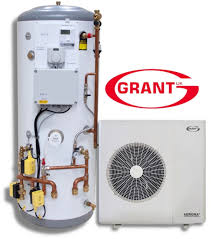
As the demand for sustainable and energy-efficient heating solutions continues to grow, air source heat pump cylinders have emerged as a preferred choice for homeowners. These systems blend modern engineering with eco-conscious design, offering a cleaner and more cost-effective way to heat homes and provide hot water.
To fully appreciate their capabilities, it’s essential to understand how air source heat pump cylinders work, the key components involved, and why they are a game-changing addition to modern homes.
How Air Source Heat Pump Cylinders Work
Air source heat pump cylinders utilize renewable energy from the air to provide heating and hot water. Their operation is based on the principles of thermodynamics, involving the transfer of heat rather than its generation. Here’s a step-by-step overview of how these systems function:
- Heat Absorption:
An outdoor unit extracts heat energy from the ambient air using a refrigerant. This process is effective even at low external temperatures, thanks to the refrigerant's ability to vaporize at minimal heat levels. - Compression:
The refrigerant gas is compressed, increasing its temperature. This step amplifies the heat energy, making it suitable for home heating and hot water systems. - Heat Transfer:
The heated refrigerant transfers energy to water in a storage cylinder or a direct heating system. The hot water is then distributed to radiators, underfloor heating, or taps as needed. - Recycling the Refrigerant:
After transferring heat, the refrigerant cools, returning to its liquid state and repeating the cycle.
This process is highly efficient, delivering up to four units of heat for every unit of electricity consumed, depending on the system’s Coefficient of Performance (COP).
Key Components of Air Source Heat Pump Cylinders
Understanding the mechanics of air source heat pump cylinders requires a closer look at their primary components:
1. Outdoor Unit
The outdoor unit houses the heat exchanger and compressor. It absorbs heat from the air and initiates the heating cycle.
2. Refrigerant
A specially formulated fluid that facilitates the heat transfer process by evaporating and condensing as it cycles through the system.
3. Heat Pump Cylinder
The storage cylinder holds the heated water, ensuring a steady supply of hot water for domestic use or space heating.
4. Expansion Valve
This component controls the flow of refrigerant, reducing its pressure and temperature before it re-enters the outdoor unit to absorb more heat.
5. Control Systems
Modern air source heat pump cylinders include smart controls, allowing users to monitor and manage the system’s performance for optimal efficiency.
Efficiency and Performance Explained
The efficiency of air source heat pump cylinders is one of their standout features. Their ability to generate more energy than they consume is what sets them apart from traditional heating systems. Here’s why:
1. Renewable Energy Source
Air source heat pumps draw energy from the air, a renewable and virtually unlimited resource. This makes them a sustainable alternative to systems reliant on fossil fuels.
2. High Coefficient of Performance (COP)
The COP measures the ratio of heat output to energy input. A typical air source heat pump cylinder has a COP of 3–4, meaning it produces three to four units of heat for every unit of electricity used.
3. Year-Round Operation
Advanced models are designed to operate efficiently even in colder climates, ensuring consistent performance throughout the year.
Benefits of Air Source Heat Pump Cylinders
Understanding the mechanics of these systems highlights their numerous advantages, including:
1. Energy Efficiency
Air source heat pump cylinders significantly reduce energy consumption, resulting in lower utility bills and reduced environmental impact.
2. Versatility
These systems can be used for both space heating and hot water, making them suitable for a wide range of applications in homes of all sizes.
3. Low Carbon Footprint
By utilizing renewable energy, air source heat pump cylinders produce minimal greenhouse gas emissions, contributing to a greener planet.
4. Compatibility with Other Technologies
Air source heat pump cylinders can be integrated with solar panels or smart home systems, further enhancing efficiency and sustainability.
Challenges and Solutions
Despite their benefits, air source heat pump cylinders do have some challenges. However, these can be addressed with proper planning and maintenance:
1. Upfront Costs
While the initial installation cost can be high, government incentives and long-term savings make them a worthwhile investment.
2. Efficiency in Extreme Cold
In very low temperatures, efficiency may decrease. Some systems include a backup heating element to address this issue.
3. Space Requirements
The outdoor unit requires space for installation. However, compact designs and professional installation can mitigate this concern.
Making the Most of Your Air Source Heat Pump Cylinder
To ensure optimal performance, consider these expert tips:
- Insulate Your Home: Proper insulation reduces heat loss, improving efficiency.
- Schedule Regular Maintenance: Routine servicing ensures the system operates at peak performance.
- Use Smart Controls: Leverage smart thermostats and energy management systems for maximum efficiency.
- Choose the Right Size: Select a system that matches your home’s heating and hot water needs.
The Future of Heating Technology
As technology advances, air source heat pump cylinders are becoming more efficient, affordable, and adaptable. They represent a pivotal shift in how homes are heated, combining sustainability with modern convenience. Whether you’re renovating your home or building a new one, investing in an air source heat pump cylinder is a step toward a greener, more efficient future.