Ensuring safety in quarry crushing operations is a critical concern that demands unwavering attention. The inherently hazardous environment of quarry sites necessitates meticulous planning, robust safety measures, and ongoing vigilance. By adopting best practices, quarry operators can create a safer working environment, minimize risks, and enhance operational efficiency. This article explores comprehensive safety planning, the implementation of safety measures, and the importance of continuous improvement and compliance in quarry crushing plant operations.
Comprehensive Safety Planning
Risk Assessment and Management
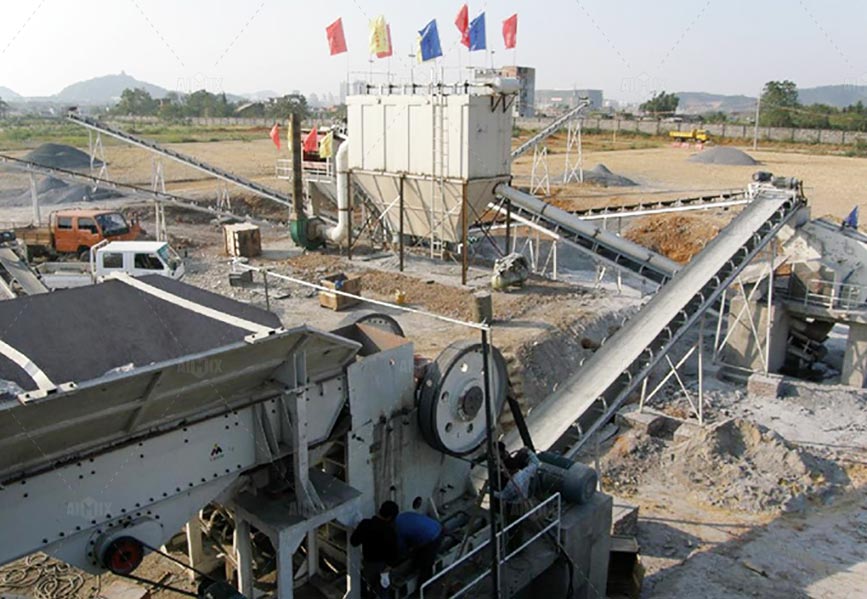
The cornerstone of a safe quarry operation is a thorough risk assessment. Identifying potential hazards and evaluating the risks associated with quarry crushing activities is essential. This process involves analyzing various factors such as rock crusher equipment operation, site conditions, and human interactions. By understanding these risks, quarry managers can develop effective strategies to mitigate them. Risk management plans should be dynamic, regularly updated to reflect changes in operations or new insights from safety audits and incident reports. This proactive approach ensures that risks are continually managed, and preventive measures are effectively implemented.
Training and Education
Equipping the workforce with the necessary knowledge and skills is vital for maintaining safety in quarry operations. Comprehensive training programs should cover all aspects of quarry safety, including equipment operation, emergency procedures, and the use of personal protective equipment (PPE). Regular training sessions and refresher courses ensure that employees remain aware of best practices and any new safety protocols. Additionally, fostering a culture of safety awareness where employees are encouraged to report hazards and participate in safety initiatives can significantly enhance the overall safety environment.
Implementing Safety Measures
Equipment Safety and Maintenance
The safe operation of quarry equipment is paramount. Ensuring that all machinery is well-maintained and regularly inspected can prevent mechanical failures that could lead to accidents. Maintenance schedules should be strictly adhered to, and any identified issues should be promptly addressed. Furthermore, safety features such as emergency stop buttons, guards, and warning signals should be regularly checked and tested. Proper equipment maintenance not only enhances safety but also extends the lifespan of machinery, contributing to more efficient and reliable operations.
Personal Protective Equipment (PPE) and Protocols
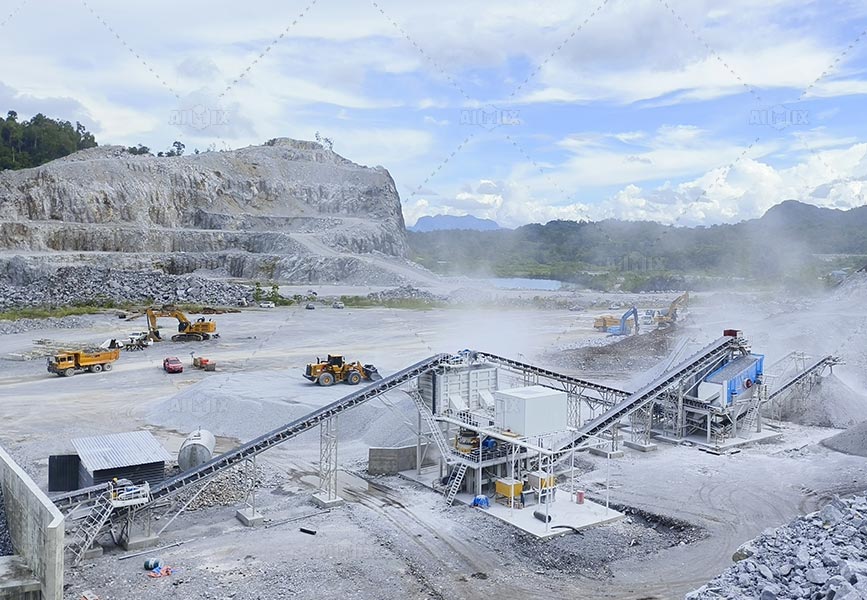
Personal protective equipment (PPE) is a crucial line of defense for workers in quarry crusher plant. Ensuring that all personnel are equipped with appropriate PPE, such as hard hats, safety goggles, gloves, and high-visibility vests, is essential. Moreover, protocols for the correct use and maintenance of PPE must be established and enforced. Regular inspections should be conducted to ensure PPE is in good condition and replaced as needed. Adhering to PPE protocols can significantly reduce the risk of injuries and fatalities in the workplace.
Continuous Improvement and Compliance
Regular Safety Audits
Continuous improvement in safety practices is achieved through regular safety audits. These audits involve systematic evaluations of all safety aspects of the quarry operation, from equipment and procedures to worker behaviors and environmental conditions. Audits help identify areas for improvement and verify compliance with established safety protocols. The findings from these audits should be used to update safety plans, implement corrective actions, and enhance training programs. Regular audits foster a culture of accountability and continuous improvement, essential for maintaining high safety standards.
Adherence to Regulations and Standards
Compliance with local, national, and international safety regulations and standards is non-negotiable. Quarry operators must stay informed about the latest regulatory requirements and ensure that their operations comply fully. This includes obtaining necessary permits, adhering to occupational health and safety guidelines, and implementing industry best practices. Regular training on regulatory changes and incorporating these into daily operations ensures ongoing compliance. Adhering to regulations not only protects workers but also mitigates legal risks and enhances the reputation of the quarry operation.
Prioritizing safety in quarry crushing operations requires a comprehensive, multifaceted approach. Through meticulous risk assessment and management, ongoing training and education, the implementation of robust safety measures, and a commitment to continuous improvement and regulatory compliance, quarry operators can significantly reduce risks. Creating a safer working environment not only protects employees but also enhances operational efficiency and sustainability, ultimately contributing to the success and longevity of the quarry operation.