In recent years, using artificial intelligence (AI) in creating art has become a subject of interest for artists, researchers, and philosophers. AI-generated art has raised philosophical questions regarding the concept of beauty, its role in art, and how it relates to creating art through machines. I will explore the philosophical implications of AI art and the concept of beauty.
The concept of beauty has been a subject of discussion for centuries. Philosophers have debated the nature of beauty, its role in art, and how individuals perceive it. Some argue that beauty is subjective, while others suggest that it is an objective quality that can be objectively defined. However, the concept of beauty becomes even more complex when it comes to AI-generated art.
AI-generated art is created by machines using algorithms that analyze and synthesize data. These algorithms are programmed to recognize patterns and generate images that resemble those patterns. The question arises, can machines generate beautiful art? Does the beauty in AI art exist in the same way as traditional art, or is it something entirely new?
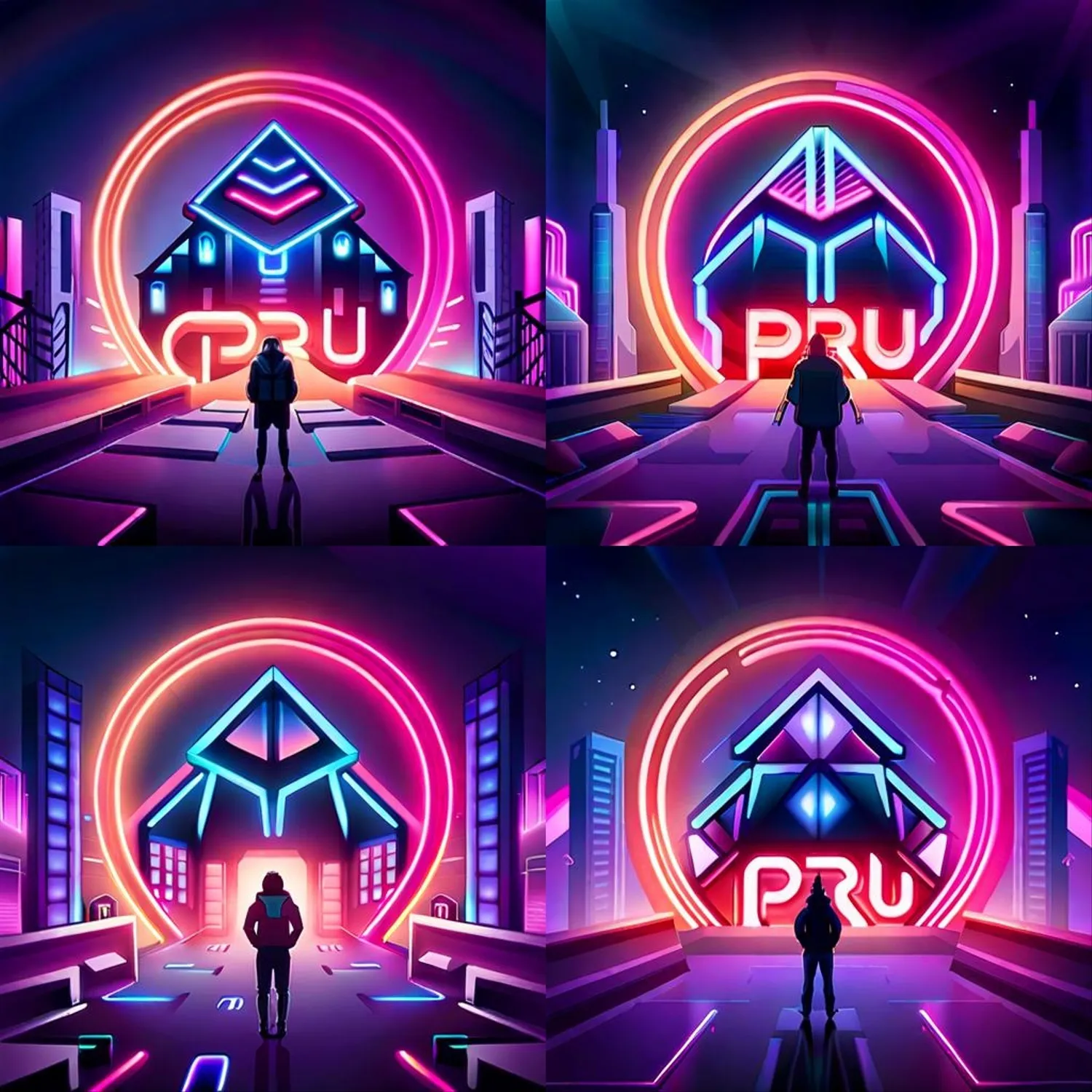
Generated by Bluewillow
Some argue that AI-generated art is not beautiful because it lacks intentionality. In traditional art, the artist creates a work with a specific intention in mind. They have a concept or message they want to convey, and the artwork is a means of expressing that concept. In contrast, AI-generated art is created by algorithms that do not have intentions, emotions, or desires. The algorithm is simply following a set of rules to generate an image without any understanding of the concept of beauty or the intentions of the artist.
However, others argue that the concept of beauty in AI-generated art is different from traditional art. In AI-generated art, beauty can be seen as the result of the algorithm's ability to recognize and synthesize patterns. The algorithm is trained on a vast amount of data, and it learns to recognize patterns that are aesthetically pleasing to humans. Therefore, the beauty in AI-generated art is not the result of intentionality but rather the product of an algorithm's ability to recognize and replicate patterns that humans find beautiful.
The debate surrounding the concept of beauty in AI art has significant philosophical implications. If beauty in AI art is the result of an algorithm's ability to recognize patterns, it raises questions about the nature of beauty itself. Is beauty an objective quality that can be defined by patterns, or is it a subjective experience that varies from individual to individual? If beauty is objective, then can it be replicated and generated by machines? If beauty is subjective, then how can we evaluate the beauty of AI-generated art, and what is its value?
Another philosophical implication of AI art is the role of the artist. In traditional art, the artist is the creator and the one who imbues the artwork with intentionality and meaning. However, in AI-generated art, the artist is the one who creates the algorithm and trains it to recognize patterns. The algorithm itself creates the artwork, and the artist's role becomes more of a facilitator than a creator. This raises questions about the role of the artist in the creation of art and whether AI-generated art can be considered the artist's own creation.
In conclusion, the philosophical implications of AI art and the concept of beauty are significant. The debate surrounding the nature of beauty, its role in art, and the role of the artist raise important questions about the nature of creativity, intentionality, and the value of art. AI-generated art challenges our understanding of traditional art and forces us to rethink our definitions of beauty and creativity. As AI technology continues to advance, these philosophical questions will become even more complex, and it will be interesting to see how philosophers and artists continue to engage with these ideas in the years to come.