In the rapidly evolving world of web development, choosing the right technology stack can make all the difference. The MERN stack, comprising MongoDB, Express.js, React, and Node.js, has emerged as a powerful solution for building dynamic and scalable web applications. This article delves into the components and architecture of the MERN stack, explores its key advantages, and highlights real-world success stories. Additionally, we’ll examine future trends in MERN stack development and their impact on the industry.
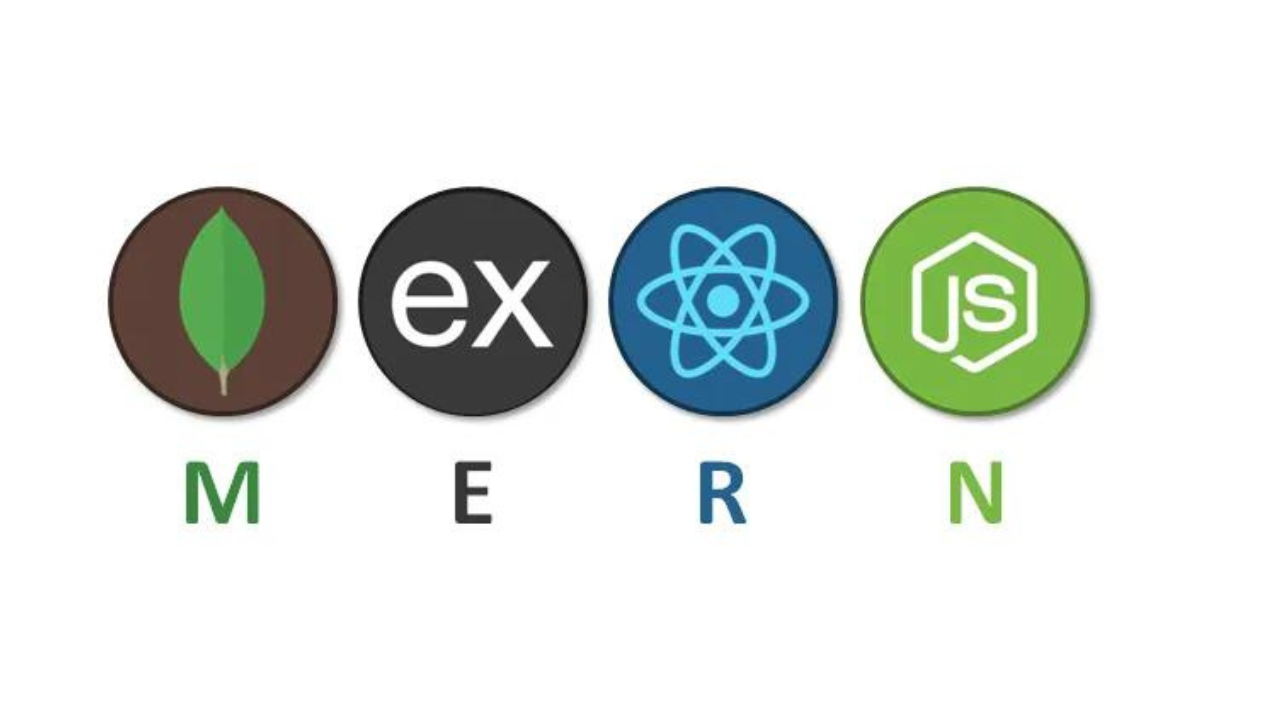
Understanding the MERN Stack: Components and Architecture
The MERN stack is a full-stack JavaScript solution that combines four key technologies to streamline web development:
- MongoDB: A NoSQL database that stores data in flexible, JSON-like documents. MongoDB is renowned for its scalability and performance, making it ideal for handling large amounts of data with ease.
- Express.js: A minimal and flexible Node.js web application framework that provides a robust set of features for building web and mobile applications. It simplifies server-side development by offering a range of middleware options.
- React: A popular JavaScript library for building user interfaces. Developed by Facebook, React allows developers to create reusable UI components, improving the efficiency and maintainability of web applications.
- Node.js: A JavaScript runtime built on Chrome's V8 JavaScript engine. Node.js enables server-side scripting and allows developers to use JavaScript for both client-side and server-side code, streamlining the development process.
Together, these technologies create a cohesive and efficient stack that facilitates the development of modern, high-performance web applications. The MERN stack’s architecture is designed to handle complex data interactions, manage real-time updates, and deliver a seamless user experience.
Key Advantages of Using MERN for Web Development
The MERN stack offers numerous benefits that make it a preferred choice for web developers:
1. Unified Language Across the Stack
One of the primary advantages of the MERN stack is its use of JavaScript throughout the entire development process. This unification of language simplifies development and debugging, as developers can write both client-side and server-side code in JavaScript. This consistency reduces context switching and improves productivity.
2. Scalability and Performance
MongoDB’s NoSQL nature ensures that the database can handle large volumes of unstructured data with ease. Combined with Node.js’s non-blocking architecture, the MERN stack can support high-traffic applications and scale horizontally to meet growing demands. This makes it an excellent choice for applications that anticipate significant growth.
3. Rich Ecosystem and Community Support
Each component of the MERN stack has a strong community and extensive ecosystem. React, for instance, has a vast library of third-party components and tools, while Express.js provides a wealth of middleware options to extend its functionality. This rich ecosystem accelerates development and provides developers with robust support and resources.
4. Enhanced Development Speed and Efficiency
React’s component-based architecture allows developers to build reusable UI components, which can significantly speed up the development process. Additionally, Node.js’s event-driven architecture improves performance by handling multiple connections simultaneously. Together, these features streamline development and reduce time-to-market.
How MERN Enhances Development Speed and Efficiency
The MERN stack’s ability to enhance development speed and efficiency stems from several key factors:
1. Reusable Components with React
React’s component-based approach encourages the creation of modular and reusable UI elements. Developers can build a library of components that can be easily reused across different parts of the application, reducing redundancy and speeding up the development process.
2. Streamlined Data Management with MongoDB
MongoDB’s flexible schema design allows for quick adjustments to data models without significant rework. This adaptability is particularly useful during the development phase when requirements may evolve. The ability to manage data in a more fluid manner helps developers iterate faster and respond to changing needs more efficiently.
3. Efficient Server-Side Development with Express.js
Express.js simplifies server-side development by providing a minimalistic framework with a rich set of features. Its middleware support allows developers to handle various aspects of web applications, such as authentication, logging, and error handling, with ease. This efficiency translates to faster development and deployment.
4. Unified JavaScript Codebase
By using JavaScript for both client-side and server-side development, the MERN stack eliminates the need for context switching between different languages. This unification streamlines development and debugging processes, leading to faster and more efficient project completion.
Real-World Applications and Success Stories with MERN
The MERN stack’s versatility and efficiency have led to its adoption by numerous high-profile companies and projects. Here are a few examples of successful MERN stack applications:
1. Netflix
Netflix utilizes React for its front-end development, leveraging the library’s component-based architecture to create a seamless user experience. The application’s performance and scalability benefit from the MERN stack’s efficient handling of real-time data and high traffic.
2. Trello
Trello, a popular project management tool, uses MongoDB to manage its data and Node.js for server-side operations. The MERN stack’s flexibility and scalability support Trello’s real-time collaboration features, ensuring a smooth and responsive user experience.
3. Instagram
Instagram employs the MERN stack to enhance its web application’s performance and user interface. React’s ability to handle dynamic content efficiently contributes to a faster and more engaging user experience.
Future Trends in MERN Stack Development and Its Impact on the Industry
The MERN stack continues to evolve, and several trends are expected to shape its future development:
1. Increased Adoption of Server-Side Rendering (SSR) with React
Server-Side Rendering (SSR) is gaining traction in the React community as it improves performance and SEO. Frameworks like Next.js are being integrated with MERN stack applications to provide SSR capabilities, enhancing user experience and search engine visibility.
2. Integration with TypeScript
TypeScript, a superset of JavaScript, is becoming increasingly popular in the development community. Its strong typing features and improved tooling support are being integrated into MERN stack projects to enhance code quality and maintainability.
3. Advancements in MongoDB
MongoDB is continuously evolving, with new features and improvements being added regularly. The introduction of features like Atlas Data Lake and MongoDB Realm is expanding the stack’s capabilities, enabling more sophisticated data management and real-time applications.
4. Serverless Architectures
Serverless computing is gaining momentum as a way to build scalable and cost-effective applications. The MERN stack is being adapted to work with serverless platforms, such as AWS Lambda and Azure Functions, allowing developers to deploy applications without managing server infrastructure.
Conclusion
The MERN stack offers a powerful combination of technologies that enable developers to build scalable, high-performance web applications with ease. Its unified JavaScript language, rich ecosystem, and efficient development tools make it a compelling choice for modern web development. As trends like server-side rendering, TypeScript integration, and serverless architectures shape the future of MERN stack development, its impact on the industry is set to grow, providing developers with even more capabilities and opportunities.
Whether you’re considering MERN stack development for your next project or exploring MERN Stack Development Services, understanding the benefits and future trends can help you make informed decisions and leverage the stack’s full potential. Dive deeper into the MERN Stack Development Process to learn more about how to effectively implement and utilize this robust technology stack for your web development needs.