AGVs are valuable tools in industries because they make transporting items more efficient. The different AGV Components like sensors, navigation systems, and controllers work together to create a reliable and safe vehicle that can perform complex tasks. Understanding these components helps us appreciate how AGVs make modern workspaces more productive.
Automated Guided Vehicles, or AGVs, are machines that can move on their own without a driver. They are commonly used in factories, warehouses, and other big places where items need to be moved around.
These vehicles are important because they make work faster, safer, and more efficient. AGVs are made up of different parts, or Automated Guided Vehicle Components, which help them, navigate, carry items, and avoid obstacles.
What Are AGV Components?
AGV components are the parts that work together to make an AGV operate successfully. Each component has a special job that helps the vehicle move safely and accurately to different locations.
Some of these parts include sensors, batteries, motors, controllers, and navigation systems. Without these components, an AGV wouldn’t be able to perform its tasks efficiently.
Key Components of an AGV
• Navigation System: The navigation system is like the brain of the AGV. It helps the vehicle know where it is and where it needs to go. There are different types of navigation systems, like laser guidance, magnetic tape, and vision-based guidance. Each type of navigation system has its own way of helping the AGV find its path.
• Sensors: Sensors are essential for safety. They help the AGV detect obstacles, like walls or other machines, so it doesn’t crash into them. These sensors also make sure that the AGV can stop or change direction when something is in its way. Common sensors used in AGVs are laser sensors, infrared sensors, and cameras.
• Battery and Charging System: The battery provides power to the AGV, allowing it to move and perform tasks. AGVs use rechargeable batteries that need to be charged when they run low. Some AGVs can automatically move to a charging station when their battery is low, so they don’t need human help.
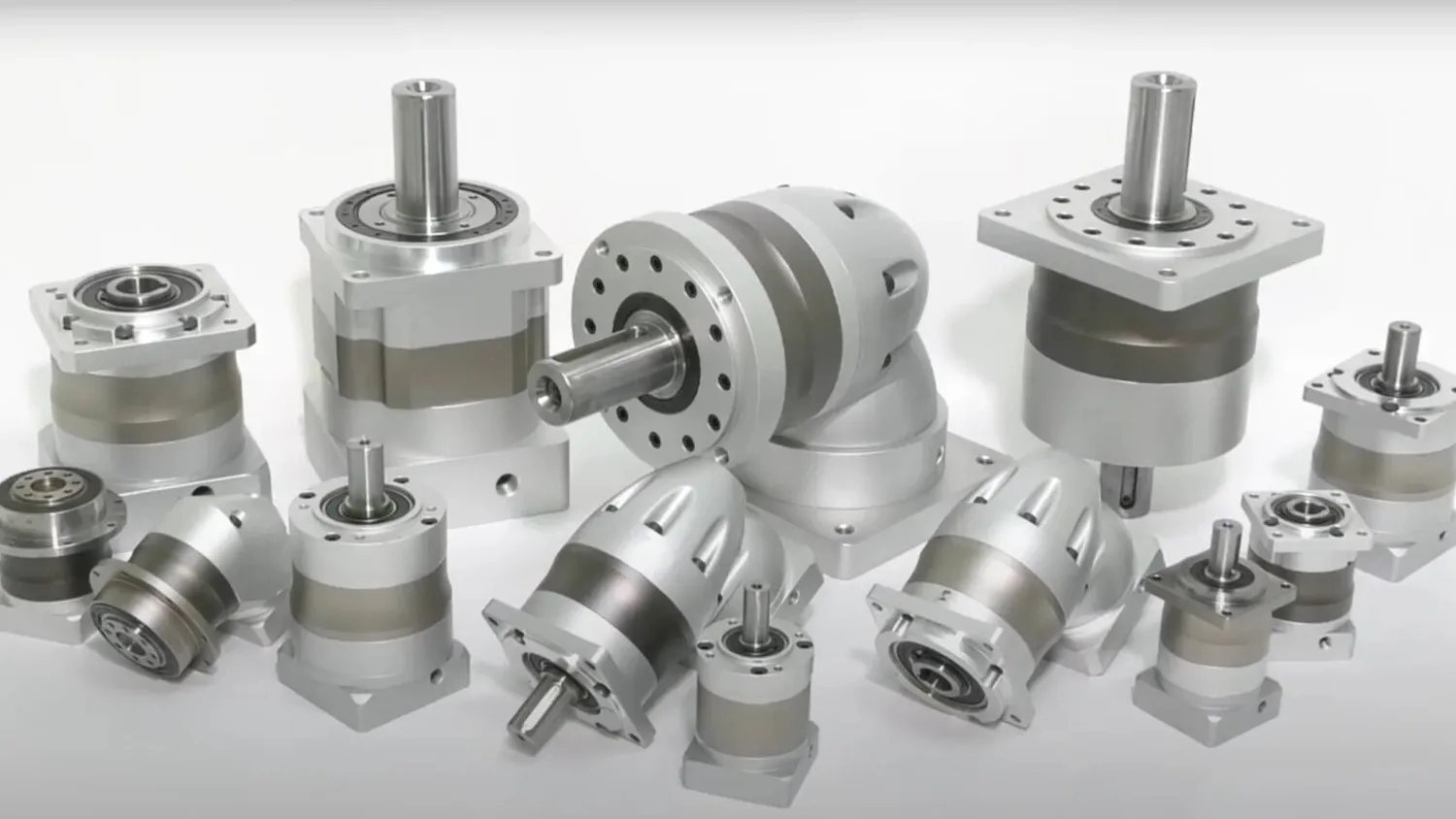
• Drive System: The drive system includes the motor and wheels, which allow the AGV to move. Motors in the drive system control how fast and in which direction the AGV travels. This system is similar to an engine in a car, as it provides the power needed for movement.
• Controller: The controller is like the AGV’s control center. It manages all the signals from the navigation system, sensors, and drive system to make sure everything works together. This part decides when the AGV should move, stop, or turn based on the information it receives from other components.
• Load Handling Device: This part allows the AGV to carry items. Some AGVs have forks, like a forklift, while others have platforms or rollers. This component helps the AGV pick up, move, and place items where they need to go.
Why Are AGV Components Important?
Each component of an AGV plays a vital role in helping it work efficiently. Without a proper navigation system, the AGV would get lost.
Without sensors, it might bump into things and cause damage. The battery and drive system are essential for movement, and the controller keeps everything coordinated.