In recent years, more people are realizing the value of agricultural farmland in Pakistan. With rising food demand, limited land, and new government initiatives, farmland is becoming one of the smartest long-term investment choices. Whether you want to grow crops, lease the land, or just earn from land appreciation, investing in farmland is a secure and growing opportunity.
But how can someone actually start this journey? This blog will guide you step by step.
Why Choose Agricultural Farmland in Pakistan?
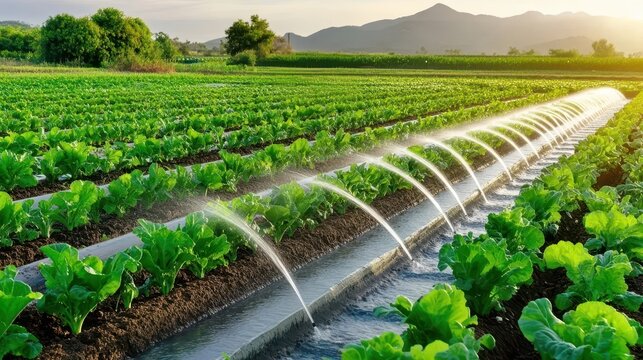
Agricultural farmland in Pakistan is one of the most underutilized but highly rewarding investment assets. With over 60% of Pakistan’s population connected to agriculture, this sector is the backbone of the country’s economy. Here’s why farmland investment makes sense:
Growing population = growing food demand
Land value appreciation over time
Tax benefits and low holding costs
Rental income from leasing land to farmers
Support for food security and sustainability
Also, farmland can be passed down through generations. It's not just a business asset; it's a legacy.
Step-by-Step Guide to Start Investing in Farmland
Let’s break down the process of investing in agricultural farmland in Pakistan.
1. Understand Your Investment Goals
Ask yourself:
Do I want long-term returns or quick profits?
Do I want to develop the land myself, or just buy and lease it?
Am I looking for monthly rental income, or do I want to wait and sell it later for a higher price?
Your answers will guide your choice of location, size, and land type.
2. Research the Best Locations
Choosing the right area is key. Some regions offer more fertile soil, better water access, and higher demand. Here are a few popular regions:
Punjab – Known for its fertile land and irrigation systems.
Sindh – Especially good for rice, wheat, and sugarcane.
KPK and Balochistan – Offer emerging opportunities with improving infrastructure.
Near Islamabad (like Chakwal or Mianwali) – Becoming popular for organized farmland projects.
Look for land near canals or motorways, or along the CPEC route, which increases long-term value.
3. Check Land Type and Suitability
Not all farmland is equal. Before buying, check:
Soil type – Is it suitable for your preferred crops?
Water availability – Is it close to canals or does it depend on rain?
Accessibility – Is the land easy to reach by road
Electricity and infrastructure – Are basic utilities available?
You may also want to get the soil tested for fertility.
4. Verify Legal Ownership and Documents
Legal safety is very important. Always:
Ask for the Fard (land record) from the local Patwari.
Verify land is free from disputes or loans.
Get land physically measured and matched with documents.
If buying in a society or organized farmland scheme, ask for NOCs and approvals.
If unsure, hire a lawyer who specializes in real estate.
5. Decide on Direct vs. Organized Farmland
You can either buy direct land from a local seller, or go through an organized farmland project. Both have pros and cons:
Direct Buying
Pros
Lower price
Cons
More paperwork, risk of fraud
Organized Farmland Projects
Pros
Safe, planned, legal, ready-to-use
Cons
Slightly higher cost.
Projects like Agro Excellence Farms near Islamabad offer smart farming support, security, and modern infrastructure — ideal for beginners or overseas Pakistanis.
6. Plan for Usage or Leasing
Once you buy, you can:
Farm the land yourself (direct involvement)
Lease it to a local farmer and earn rental income
Grow cash crops or set up greenhouses
Partner with agribusiness companies for contract farming
This flexibility makes investing in farmland a practical and rewarding option.
7. Adopt Smart Agriculture
Using smart agriculture in Pakistan can improve productivity and increase your returns. Some modern methods include:
Drip irrigation
Solar-powered water pumps
Drones for crop monitoring
Organic and precision farming
These tools help you use less water, fewer chemicals, and get more output — good for both profit and the environment.
8. Think Long-Term: Monitor and Maintain
Like any property, farmland needs care. If you live far from the land, you can:
Hire a farm manager
Use remote monitoring systems
Visit regularly to check crop health, soil, and irrigation
Well-maintained land stays fertile and valuable for years to come.
Benefits of Farmland Investment
Here’s a quick look at the long-term advantages:
Stable and inflation-proof income
Low entry cost compared to commercial plots
Land appreciation as urban areas grow
Support for Pakistan’s food security and economy
Pride in owning a productive, eco-friendly asset
Conclusion
Investing in agricultural farmland in Pakistan is a smart move — not just for profits, but for long-term national and personal value. By taking the right steps, verifying the legal side, and using modern methods, you can turn a simple piece of land into a strong, income-generating asset.
Whether you’re a local investor, an overseas Pakistani, or someone looking for secure passive income, agricultural land investment is one of the safest and most rewarding options in 2025 and beyond.