In today’s dynamic business environment, organizations across industries are constantly seeking ways to improve efficiency, foster collaboration, and adapt to change. Agile methodologies, particularly the Scrum framework, have emerged as a gold standard for managing projects in this fast-paced world. While Agile practices originated in the IT sector, they have transcended industry boundaries and are now embraced by teams in marketing, education, healthcare, finance, and beyond.
This broad adoption of Agile practices raises an interesting question: Is it beneficial for a non-IT professional to pursue a Scrum Master Certification? The short answer is yes! This article explores why professionals outside the IT domain can greatly benefit from earning an Agile and Scrum Master Certification, and how it can open doors to new opportunities and enhanced career growth.
Understanding Agile and Scrum
Before delving into the advantages of earning a Scrum Master Certification, let’s break down the essentials of Agile and Scrum.
- Agile Methodology: Agile is a mindset and a set of principles focused on iterative progress, customer collaboration, and adaptability to change. It emphasizes delivering value quickly and continuously improving processes.
- Scrum Framework: Scrum is a specific implementation of Agile that structures work into time-boxed iterations called sprints. It promotes teamwork, accountability, and transparency. Key roles in Scrum include the Product Owner, the Development Team, and the Scrum Master.

The Scrum Master acts as a facilitator, ensuring the team adheres to Agile principles, resolves roadblocks, and fosters an environment for high performance.
The Relevance of Agile Beyond IT
Agile and Scrum principles are no longer confined to software development. Industries such as marketing, manufacturing, healthcare, education, and event planning now utilize Agile to streamline their workflows, improve team collaboration, and enhance customer satisfaction. This widespread adoption makes Agile and Scrum Master Certification relevant for professionals from diverse fields.
Here’s why Agile is universally applicable:
- Focus on Delivering Value: Agile emphasizes outcomes over outputs, making it suitable for any sector aiming to deliver measurable results.
- Adaptability to Change: In industries like marketing or healthcare, where priorities can shift quickly, Agile provides the flexibility to respond to these changes effectively.
- Collaboration and Teamwork: Scrum fosters cross-functional teamwork, which is vital in non-IT industries where teams often consist of diverse skill sets.
Benefits of a Scrum Master Certification for Non-IT Professionals
Earning a Scrum Master Certification is a game-changer, even for those outside the IT field. Here are the key benefits:
1. Enhanced Career Prospects
A Scrum Master Certification equips you with a highly sought-after skill set that is applicable across industries. Employers increasingly value professionals who can lead Agile teams and manage projects effectively. Whether you’re in marketing, operations, or human resources, this certification can set you apart from the competition.
2. Improved Project Management Skills
The principles taught in a Scrum Master Course help you manage projects more efficiently. You’ll learn how to break down complex tasks into manageable components, prioritize work, and deliver results incrementally. This approach reduces the risk of failure and increases the likelihood of meeting deadlines.
3. Stronger Leadership and Facilitation Abilities
As a Scrum Master, your role involves coaching teams, facilitating discussions, and ensuring smooth collaboration. These skills are invaluable in non-IT environments where effective communication and leadership are crucial.
4. Increased Team Productivity
Scrum fosters accountability and continuous improvement. By implementing what you learn in a Scrum Master Course, you can create a culture of transparency and self-organization within your team, leading to higher productivity and better outcomes.
5. Ability to Navigate Organizational Change
Organizations often face resistance when implementing new processes or methodologies. A Scrum Master Certification equips you with change management skills, enabling you to guide your team and stakeholders through transitions smoothly.
6. Broader Networking Opportunities
Pursuing an Agile and Scrum Master Certification connects you with a global community of Agile professionals. This network can provide insights, support, and opportunities to grow in your career.
7. Cross-Industry Applicability
From planning events to streamlining supply chains, Agile practices can be tailored to meet the unique challenges of various sectors. A Scrum Master Certification positions you as an adaptable professional who can apply these principles to drive success in any domain.
Real-World Applications for Non-IT Professionals
Here’s how different industries are leveraging Scrum principles:
- Marketing: Agile marketing teams use Scrum to manage campaigns, ensuring timely delivery and iterative improvements based on feedback. A Scrum Master Certification can help marketing professionals streamline workflows and foster better collaboration.
- Healthcare: Hospitals and clinics apply Agile to improve patient care by focusing on small, incremental changes to processes. Scrum Masters play a key role in coordinating teams and ensuring smooth operations.
- Education: Educators use Scrum to enhance curriculum development, manage administrative tasks, and improve student engagement. A Scrum Master Course can empower educators to implement these practices effectively.
- Event Planning: Managing large-scale events involves coordinating multiple stakeholders and ensuring every detail is executed flawlessly. Agile principles help break down these complexities into manageable tasks.
- Finance: Financial institutions use Agile to improve customer service, streamline operations, and comply with changing regulations. Certified Scrum Masters can lead teams to achieve these goals.
How to Get Started with a Scrum Master Certification
If you’re a non-IT professional intrigued by the benefits of a Scrum Master Certification, here’s how you can get started:
- Research Available Courses: Look for a Scrum Master Course that aligns with your learning style and career goals. Ensure the curriculum covers key topics such as Scrum principles, roles, and practices.
- Gain Practical Experience: Applying what you learn in real-world scenarios is crucial. Volunteer to lead a team or project where you can implement Agile principles.
- Join Agile Communities: Networking with other Agile professionals can provide valuable insights and keep you updated on industry trends.
- Continuously Improve: Agile is all about adaptation and growth. After earning your certification, seek opportunities to deepen your knowledge and refine your skills.
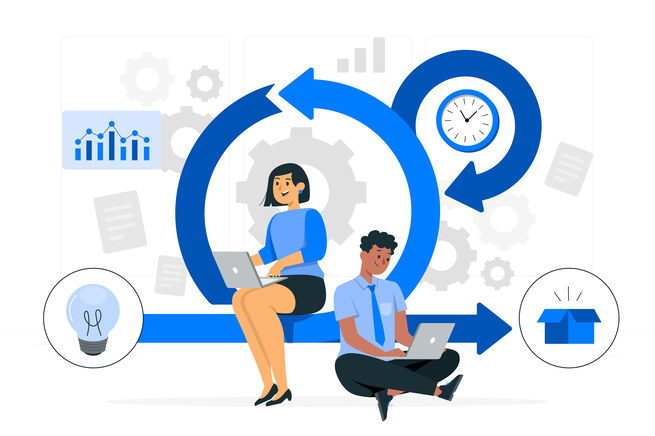
Conclusion: A Smart Investment for Non-IT Professionals
In a world where change is the only constant, the ability to adapt and lead effectively is a highly valuable trait. A Scrum Master Certification empowers non-IT professionals to take on leadership roles, enhance team collaboration, and drive organizational success. Whether you’re a marketer, educator, healthcare worker, or event planner, mastering Agile principles can transform the way you work and significantly boost your career prospects.
The growing demand for professionals with Agile expertise across industries makes this certification a wise investment. So, if you’re considering taking a Scrum Master Course, now is the perfect time to embrace the opportunity and unlock your potential in the ever-evolving professional landscape.