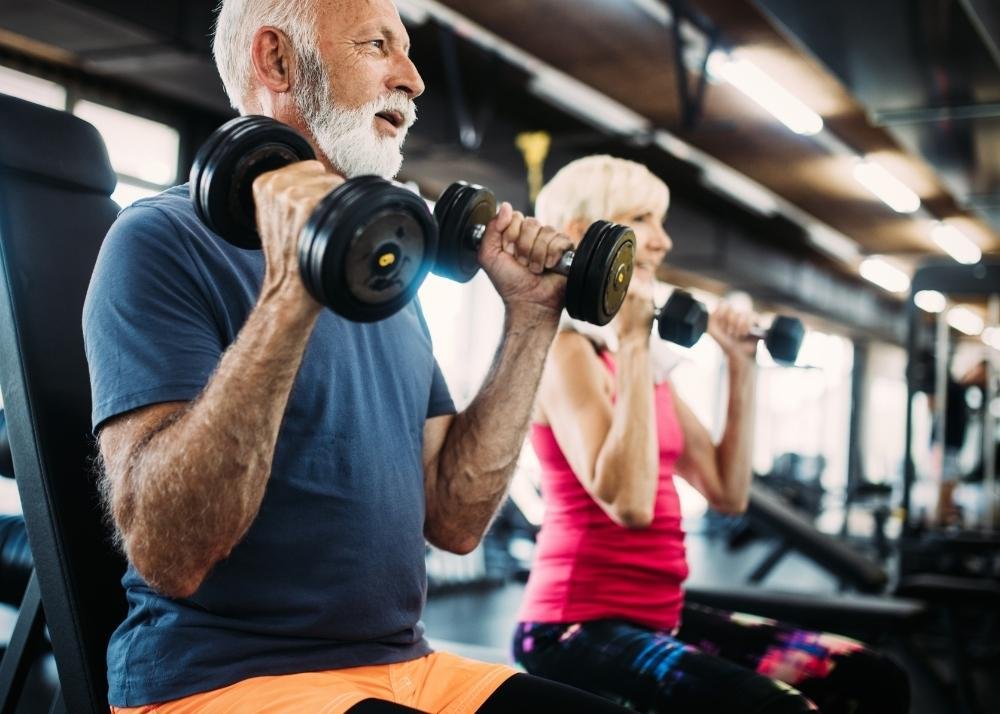
Functional exercises play a crucial role in maintaining the health and well-being of seniors. As we age, our bodies undergo various changes, including a decline in muscle strength, flexibility, and balance. These changes can make everyday tasks more challenging and increase the risk of falls and injuries. However, by incorporating functional exercises into their daily routine, seniors can improve their overall physical fitness and enhance their ability to perform daily activities independently.
Understanding Functional Exercises
Functional exercises are a type of physical activity that focuses on strengthening the muscles and movements used in everyday life. Unlike traditional exercises that target specific muscle groups, functional exercises involve multiple muscles and joints working together to simulate real-life movements. By mimicking activities such as lifting, bending, and walking, these exercises improve the body's ability to perform daily tasks with ease and efficiency.
Defining Functional Exercises
Functional exercises are dynamic movements that engage multiple muscle groups simultaneously. These exercises typically involve movements such as squats, lunges, push-ups, and balance exercises. Unlike isolated exercises that focus on specific muscles, functional exercises improve overall strength, stability, and mobility, making them particularly beneficial for seniors.
The Role of Functional Exercises in Maintaining Health
Functional exercises offer a multitude of benefits for seniors, contributing to their overall health and well-being.
- Enhancing Mobility and Flexibility: As we age, our joints tend to become stiffer, and our range of motion decreases. By regularly performing functional exercises, seniors can increase their flexibility and maintain optimal joint mobility. This can significantly improve their ability to perform daily tasks, such as bending down to pick up objects or reaching overhead to grab items from shelves.
- Improving Balance and Coordination: Falls are a major concern for seniors, often leading to serious injuries. Functional exercises that focus on balance and coordination can help reduce the risk of falls. Simple activities such as heel-to-toe walking or standing on one leg can improve proprioception and stability, making everyday movements more secure and preventing accidents.
- Boosting Strength and Endurance: Muscle loss, known as sarcopenia, is commonly observed in older adults. Functional exercises that target major muscle groups help to build strength and improve overall muscle tone. Additionally, these exercises also increase cardiovascular endurance, allowing seniors to perform tasks for more extended periods without fatigue.
Moreover, functional exercises have been found to have a positive impact on cognitive function in seniors. Engaging in these exercises requires mental focus and coordination, which can help improve cognitive abilities such as memory and attention. This cognitive benefit is especially crucial for older adults who may be at risk for age-related cognitive decline.
Furthermore, functional exercises can also enhance mood and mental well-being in seniors. Physical activity releases endorphins, which are known as "feel-good" hormones. Regular participation in functional exercises can help reduce symptoms of depression and anxiety, promoting a more positive outlook on life.
Additionally, functional exercises can be easily modified to accommodate different fitness levels and abilities. Seniors can start with basic movements and gradually increase the intensity and complexity of the exercises as they become more comfortable and stronger. This adaptability makes functional exercises accessible to individuals of all fitness levels, ensuring that everyone can benefit from their advantages.
The Benefits of Functional Exercises for Seniors
The benefits of functional exercises go beyond physical health, positively impacting various aspects of seniors' lives. Functional exercises, designed to mimic everyday movements and activities, are highly relevant and practical for seniors. If you're looking to enhance the well-being of seniors through tailored exercise routines, consider the expertise of an Exercise Recovery Specialist website. These professionals specialize in creating exercise programs that promote mobility, flexibility, balance, coordination, strength, and endurance. One of the key benefits of functional exercises for seniors is the enhancement of mobility and flexibility.
Regular engagement in these exercises helps seniors maintain and improve their range of motion, allowing them to move more freely and comfortably. By keeping muscles and joints active and flexible, seniors can enjoy a better quality of life, with increased independence and a reduced risk of injury. In addition to mobility and flexibility, functional exercises also play a crucial role in improving balance and coordination. As we age, maintaining balance can become more challenging, leading to an increased risk of falls. Functional exercises that focus on balance and coordination help seniors regain stability and confidence in their movement. By practicing these exercises, seniors can decrease the risk of falls, ultimately enhancing their safety and well-being.
Furthermore, functional exercises contribute to boosting strength and endurance in seniors. Improved muscle strength and endurance lead to enhanced overall physical fitness, enabling seniors to perform daily tasks more efficiently. Whether it's lifting groceries, climbing stairs, or simply getting up from a chair, functional exercises help seniors build the strength and stamina necessary to carry out these activities with ease.
Key Functional Exercises for Seniors
There are numerous functional exercises that seniors can incorporate into their exercise routine to enhance their overall well-being. These exercises not only help seniors maintain their independence and mobility but also contribute to their physical and mental health. Here are some key exercises that target essential muscle groups:
Chair Squats for Lower Body Strength
Chair squats are an excellent exercise for strengthening the lower body, particularly the quadriceps, hamstrings, and glutes. These muscles are crucial for activities such as walking, climbing stairs, and getting up from a seated position. To perform this exercise, seniors can start by sitting in a sturdy chair and then standing up without using their hands for support. This movement engages the muscles in the legs and buttocks, helping to build lower body strength and stability. Gradually, seniors can increase the number of repetitions to challenge themselves and further enhance their lower body strength.
Wall Push-ups for Upper Body Strength
Wall push-ups are a safe and effective exercise for improving upper body strength. As seniors age, maintaining strength in the upper body becomes increasingly important for daily activities such as lifting objects, reaching overhead, and pushing doors open. Seniors can stand facing a wall, standing about an arm's length away. With their palms against the wall, they can slowly bend their elbows, allowing their chest to approach the wall, and then push back to the starting position. Regular practice of this exercise helps strengthen the chest, shoulders, and arms, improving overall upper body strength and functionality.
Heel-to-Toe Walk for Balance
The heel-to-toe walk is a simple yet effective exercise that targets balance and coordination. Maintaining good balance is crucial for seniors to prevent falls and maintain their independence. Seniors can start by standing with one foot in front of the other, placing the heel of the front foot directly in front of the toes of the back foot. Slowly, they can take steps by placing their heel against the toes of the opposite foot, maintaining balance throughout the movement. This exercise stimulates the proprioceptive system, which is responsible for providing information about body position and movement to the brain. By practicing the heel-to-toe walk regularly, seniors can improve their balance and stability, reducing the risk of falls and enhancing their overall quality of life.
It is important for seniors to consult with their healthcare provider or a qualified exercise professional before starting any new exercise program. They can provide guidance on proper form, intensity, and modifications based on individual needs and abilities. Remember, consistency is key when it comes to reaping the benefits of exercise. By incorporating these key functional exercises into their routine, seniors can maintain their physical function, independence, and overall well-being for years to come.
Incorporating Functional Exercises into Daily Routine
To reap the benefits of functional exercises, seniors should strive to incorporate them into their daily routine. Here are some tips for creating a sustainable exercise plan:

Creating a Sustainable Exercise Plan
Seniors should aim to engage in functional exercises at least three to five times a week, gradually increasing the intensity and duration. It is important to start at a comfortable level and listen to the body's signals to avoid overexertion or injury. Consulting with a healthcare professional or a qualified fitness instructor can help tailor an exercise plan to individual needs and abilities.
Safety Tips for Seniors Starting a New Exercise Routine
Prior to beginning any exercise routine, seniors should consider the following safety tips:
- Wear appropriate footwear and comfortable clothing that allows for freedom of movement.
- Ensure the exercise area is well-lit and free from obstacles that may cause tripping or falling.
- Stay hydrated by drinking water before, during, and after exercise.
- Start with a warm-up session consisting of gentle stretching exercises to prepare the muscles and joints for activity.
- Listen to the body and avoid pushing beyond comfortable limits. Discomfort or pain during exercise should be addressed and evaluated by a healthcare professional.
The Role of Caregivers in Promoting Functional Exercises
Caregivers play a significant role in supporting and encouraging seniors to engage in functional exercises. By providing the necessary motivation and guidance, caregivers can help seniors maintain an active lifestyle and reap the benefits of regular physical activity.

Encouraging Regular Exercise
Caregivers should emphasize the importance of regular exercise to seniors and provide them with the necessary resources and support to achieve their fitness goals. With positive reinforcement and gentle reminders, caregivers can ensure that functional exercises become a consistent part of seniors' daily routine.
Monitoring Progress and Adjusting Exercise Plans
Caregivers should closely monitor seniors' progress and make any necessary adjustments to their exercise plans. Regular assessments can help evaluate seniors' abilities and identify areas of improvement. Based on this evaluation, caregivers can modify the exercise regimen to suit their loved ones' changing needs and capabilities.
In conclusion, functional exercises are crucial for maintaining the health and well-being of seniors. By understanding the importance of these exercises and incorporating them into their daily routine, seniors can enhance their mobility, flexibility, balance, strength, and endurance, allowing them to maintain their independence and enjoy a higher quality of life. Caregivers also play a vital role in supporting seniors' exercise activities, ensuring their safety, and providing the necessary encouragement and assistance throughout their fitness journeys.