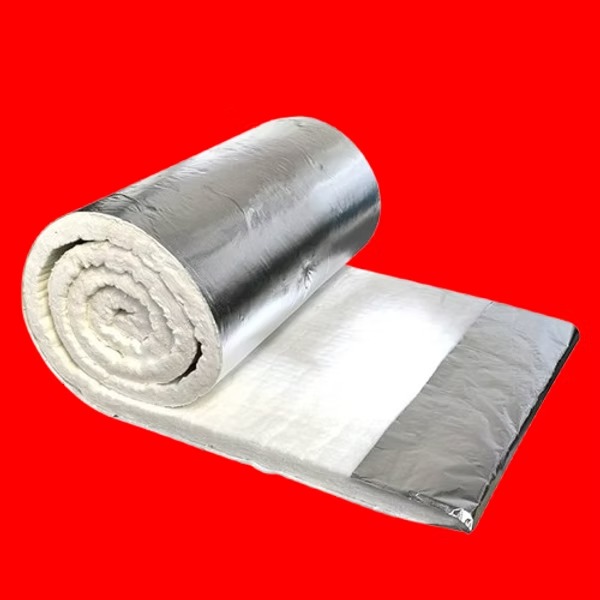
Marine vessels demand insulation that delivers strong thermal performance without adding unnecessary weight or consuming valuable onboard space. This blog explores why aerogel insulation is becoming a practical choice for modern shipbuilding and retrofits.
Marine vessels operate in demanding environments where every component must contribute to safety, efficiency, and long-term reliability. Whether it is a cargo ship, offshore support vessel, naval platform, or passenger ferry, onboard systems rely on dependable insulation to control heat transfer, protect equipment, and maintain process stability. As vessel designs become more compact and technically advanced, insulation selection has become an increasingly important engineering decision.
One of the biggest challenges in marine construction is limited installation space. Engine rooms, machinery compartments, utility passages, and pipe tunnels contain numerous mechanical and electrical systems packed into confined areas. Traditional insulation materials often require greater thickness to achieve the required thermal performance, making equipment layouts more crowded and restricting maintenance access.
Restricted space can also create complications during inspections and servicing. Technicians must regularly access valves, pumps, pipelines, sensors, and control systems. Thick insulation can obstruct these areas, increasing maintenance time and making routine inspections more difficult. Over the lifetime of a vessel, these challenges can influence maintenance costs and operational efficiency.
Modern aerogel insulation provides an effective solution for these demanding marine environments. Thanks to its extremely low thermal conductivity, it delivers excellent insulation performance while requiring significantly less thickness than many conventional materials. The slimmer insulation profile allows engineers to maximize usable space without compromising thermal protection for critical systems.
Weight management is another major consideration in shipbuilding. Every additional kilogram affects fuel efficiency, vessel performance, and overall operating costs. Lightweight insulation systems help reduce unnecessary structural weight while maintaining excellent thermal efficiency. This makes advanced insulation particularly valuable for projects focused on improving operational performance over the vessel's service life.
Retrofit projects present additional challenges because existing vessels offer little flexibility for expanding insulation thickness. Engineers upgrading aging insulation systems often need solutions that fit within existing layouts while improving energy performance. Many project teams evaluating Aerogel insulation India appreciate its ability to deliver improved thermal efficiency without requiring extensive modifications to surrounding equipment.
Long-term durability also influences insulation selection. Marine environments expose equipment to vibration, changing temperatures, humidity, and demanding operating conditions. Choosing insulation that supports consistent thermal performance while simplifying maintenance contributes to improved asset reliability and lower lifecycle costs.
When evaluating insulation systems, procurement teams should consider more than the initial purchase cost. Installation efficiency, maintenance accessibility, weight reduction, operational performance, and expected service life all contribute to the true value of an insulation solution. A lifecycle-focused approach often reveals benefits that extend well beyond immediate installation requirements.
As marine engineering continues to evolve, insulation is playing a greater role in supporting efficient vessel design and reliable operations. Selecting the right insulation solution helps improve thermal performance while making future maintenance and system upgrades easier to manage.
DARQ Industries provides technical consultation, insulation planning, and material selection support for marine and offshore projects. Its experienced team helps shipbuilders, EPC contractors, and facility operators choose insulation solutions that improve thermal efficiency, optimize space, and support long-term operational performance.