Battery safety is often discussed from a performance perspective, but manufacturing efficiency is becoming equally important. As electric vehicle production scales globally, battery manufacturers need thermal protection solutions that not only improve safety but also simplify assembly processes inside increasingly complex battery packs.
Modern battery modules contain cooling channels, sensors, wiring systems, structural supports, and densely packed cells. Every additional component increases installation complexity. Traditional insulation materials can sometimes require extra handling, cutting, positioning, or fastening, which may slow production and introduce assembly inconsistencies.
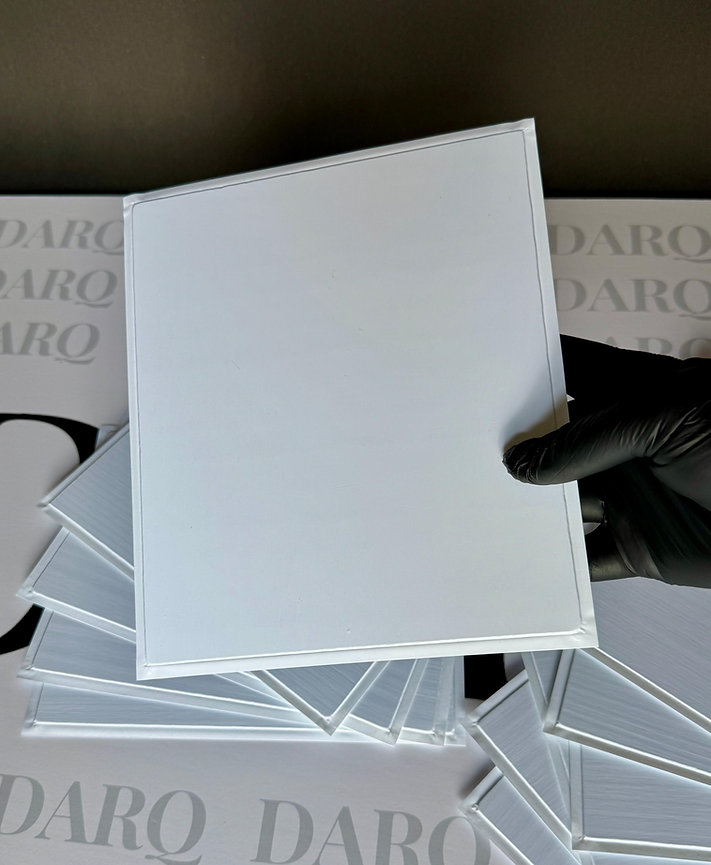
This challenge has encouraged many manufacturers to adopt solutions that improve both thermal management and installation efficiency. An EV battery thermal insulation pad designed for easy integration can help reduce assembly complexity while supporting thermal separation between critical battery components.
Battery engineers are also dealing with another important issue: limited space. Higher energy density targets mean more components must fit within smaller battery pack dimensions. Bulky insulation materials can reduce design flexibility and make integration more difficult. Lightweight and ultra-thin thermal materials are becoming increasingly attractive because they support compact battery architectures without compromising safety objectives.
The growing demand for adhesive-based solutions reflects this shift. An EV battery adhesive insulation pad can simplify placement inside battery modules while reducing the need for additional attachment methods. For large-scale manufacturing operations, easier installation can contribute to improved consistency and faster production workflows.
Darq Industries works with EV developers and battery engineering teams that require practical insulation solutions for modern battery systems. Their thermal protection materials include single-side and double-side adhesive options, allowing engineers to select installation approaches that fit specific module designs. The materials are developed to withstand temperatures up to 1000°C while supporting lightweight integration inside space-constrained battery packs.
Manufacturing scalability is becoming a major decision factor when selecting battery materials. A thermal protection product may perform well in laboratory testing, but manufacturers also need confidence that it can be integrated efficiently across thousands of battery packs. Materials that reduce installation complexity can help improve production consistency while supporting quality objectives.
Another emerging trend is the growing connection between safety and manufacturability. Engineers are increasingly selecting components that contribute to both goals simultaneously. Thermal protection solutions are expected to deliver strong thermal resistance while fitting seamlessly into production environments.
As battery technologies evolve, next-generation battery architectures will likely require even greater integration efficiency. Faster assembly, reduced weight, compact packaging, and improved thermal containment will all remain critical priorities. Materials that support multiple engineering objectives at once will continue gaining importance across the EV industry.
Future battery safety strategies will not depend solely on advanced electronics or monitoring systems. Passive thermal materials will remain an important layer of protection, helping engineers create safer battery structures from the inside out. Lightweight insulation solutions that integrate easily into production processes are likely to play a growing role in that future.
For manufacturers focused on long-term battery reliability, scalable production, and practical thermal protection, selecting the right insulation materials today can influence both safety outcomes and manufacturing success tomorrow.