A Trail Where Time Slows Down
The first sound I heard was the river. It roared far below the trail, loud and wild, like the mountains were calling my name. Mist floated over the cliffs, prayer flags fluttered in the wind, and small stone houses clung to the hillsides. With my boots tight and my pack on my back, I stepped onto the path and felt a strange calm. This was the start of the Manaslu Circuit Trail, a remote journey through hidden valleys and ancient villages where life still moves slow and simple. Right away, I knew this trek would be different from any other.
This is not a crowded highway of trekkers. It is quiet, raw, and real. You don’t just walk here. You feel every step.
Where Is Manaslu and Why Is It Special
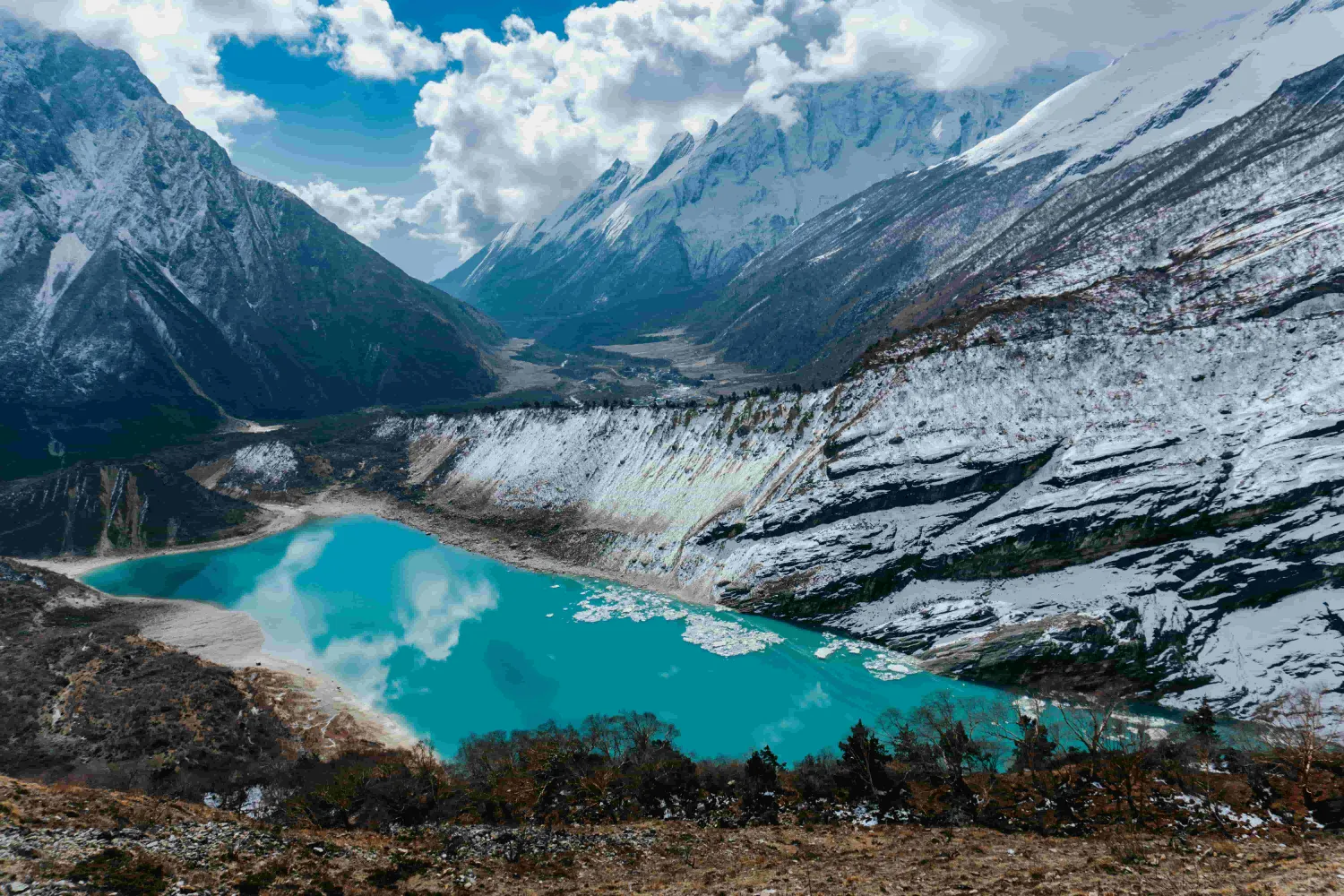
The Manaslu region lies in western Nepal, close to the Tibetan border. It circles Mount Manaslu, the eighth highest mountain in the world. The area feels wild and untouched. Compared to famous routes like Everest or Annapurna, far fewer people come here.
That means more peace, more nature, and more local culture.
You walk past waterfalls, cross long suspension bridges, and climb narrow trails cut into cliffs. Snow peaks rise above you, shining white against the sky. Old monasteries sit quietly on hilltops. Yaks graze in open fields. It feels like stepping back in time.
Quick Trek Facts and Numbers
The Manaslu Circuit trek usually takes around fourteen to eighteen days to complete at a comfortable pace, covers roughly one hundred seventy to one hundred eighty kilometers in total walking distance, and reaches its highest point at Larke La Pass at 5,160 meters above sea level, making it a long and rewarding high-altitude adventure for trekkers who enjoy both challenge and beauty.
Walking Through Changing Landscapes
One of the best parts of this trek is how fast the scenery changes. In the beginning, the trail is warm and green. You walk through rice fields, bamboo forests, and small farming villages. Birds sing and children wave as you pass.
As you climb higher, the air cools. The trees grow shorter. Pine forests replace rice fields. Rivers rush faster and louder. After a few more days, the land turns dry and rocky. Snow appears on the mountains. The sky looks bigger and closer.
Each day feels like a new world.
This constant change keeps your mind excited and your camera busy.
Meeting the People of the Mountains
The Manaslu region is rich in culture. Many villages follow Tibetan traditions. You see prayer wheels, chortens, and colorful flags everywhere. Monks chant inside small monasteries. Women spin wool outside their homes. Farmers carry firewood on their backs.
Life here is simple but strong.
People greet you with warm smiles and a soft “Namaste.” Even though they have little, they share what they have. A cup of tea, a bowl of soup, or a place to sit by the fire feels special.
These small moments stay in your heart long after the trek ends.
How Difficult Is the Trek
Let’s be honest. The Manaslu Circuit is not easy. It is considered moderate to challenging. You walk five to seven hours most days, sometimes longer. There are many uphill climbs and rocky paths. Your legs will get tired.
The altitude also makes things harder. As you go higher, the air gets thinner. You breathe slower. You may feel weak or dizzy if you rush.
But the trail is not technical. You don’t need ropes or climbing skills. If you walk slowly, drink water, and rest well, most healthy people can complete it.
It’s more about patience than power.
Life on the Trail
Daily life becomes simple and peaceful. You wake early, eat breakfast, and start walking with the sun. Along the way, you stop for tea and snacks at small lodges. You listen to the river and the wind instead of traffic and noise.
By afternoon, you reach your tea house. You eat warm meals like dal bhat, noodles, or soup. At night, everyone sits together around the stove, sharing stories and laughter.
No phones. No stress. Just mountains and people.
It feels refreshing, like your mind is finally resting.
The Big Challenge: Crossing Larke La Pass
The hardest and most exciting day is crossing Larke La Pass. You wake before sunrise when it is still dark and freezing cold. Stars shine bright above you. Your headlamp lights the path.
The climb is slow and steady. Snow crunches under your boots. Each step takes effort. Your breath feels heavy in the thin air. But you keep going.
After hours of walking, you finally reach the top. Prayer flags wave in the wind, and giant peaks surround you in every direction. The world looks huge and silent.
At 5,160 meters, you feel small but proud. All the pain disappears. Only joy remains.
It’s one of those rare moments you never forget.
Best Time to Go
Choosing the right season makes the trek easier and safer. Spring from March to May brings blooming flowers and mild weather. Autumn from September to November offers clear skies and amazing mountain views. These months are perfect for walking.
Winter can be very cold with heavy snow at the pass, and monsoon season brings rain and landslides. For most trekkers, spring and autumn are the best choices.
Why This Trek Feels Legendary
The Manaslu Circuit is not just about reaching a high pass or finishing a long walk. It is about feeling connected to nature and people. It is about slowing down and noticing small things, like the sound of bells on yaks or the smell of fresh bread in a village kitchen.
You feel far from the modern world, yet closer to what truly matters.
This is why many call it a legendary trek. It changes you in quiet ways.
You return home stronger, calmer, and full of stories.
Final Thoughts: Should You Go
If you want comfort and crowds, this trek may not be for you. But if you dream of wild valleys, empty trails, and timeless villages, then the Manaslu Circuit is perfect. It challenges your body, clears your mind, and fills your heart.
So pack your boots, take a deep breath, and step into thin air. The mountains of Manaslu are waiting to share their magic with you.