A Journey Through the Heart of the Annapurna Region
The Ghorepani Ghandruk trail is one of the most beautiful and peaceful treks in Nepal. It takes travelers through colorful forests, stone-paved paths, and traditional Gurung and Magar villages. The views of the Annapurna and Dhaulagiri ranges are stunning, with snow peaks shining bright against the blue sky. This trek is often called a “walk through paradise” because every step offers something beautiful green hills, smiling locals, and clear mountain air.
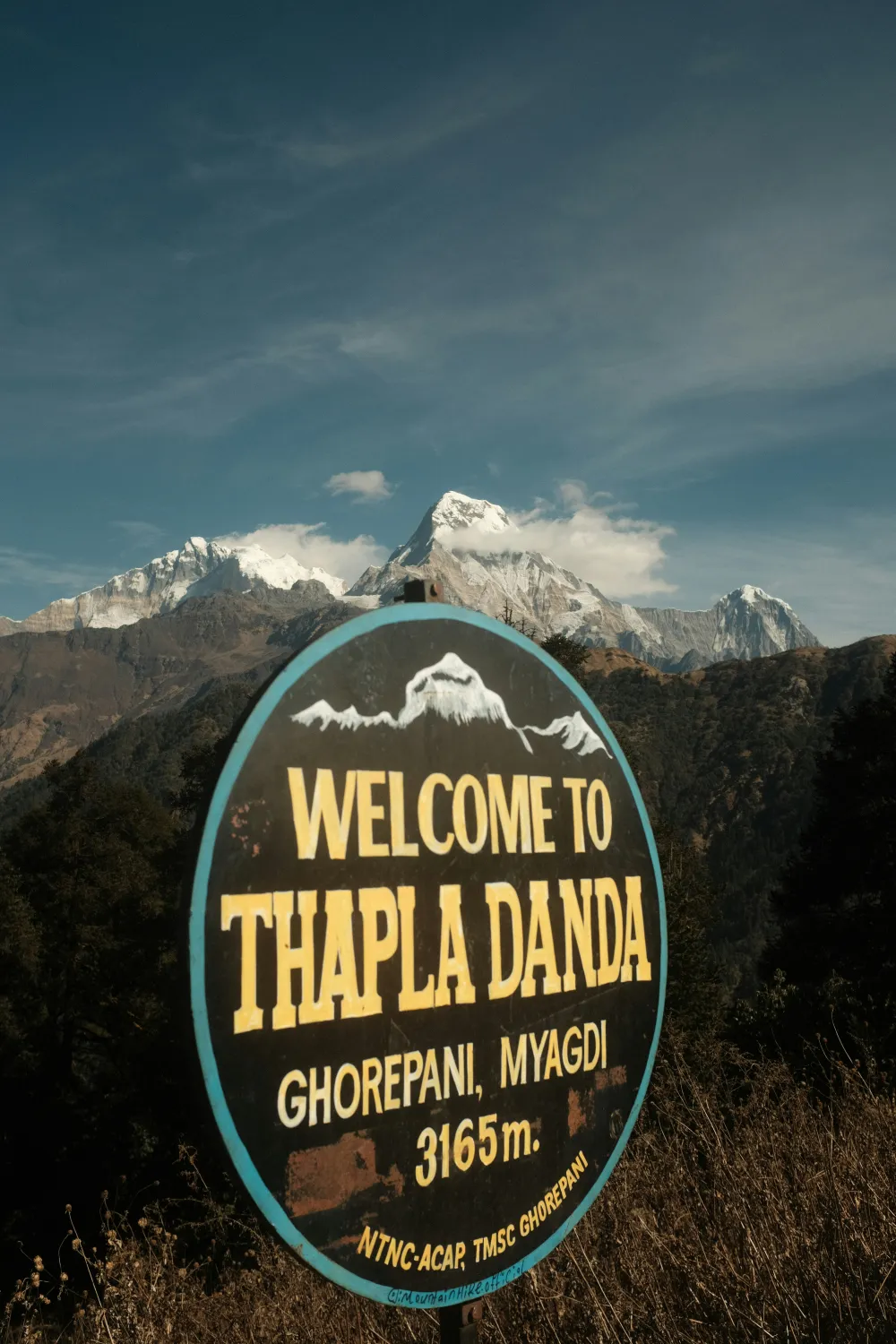
This short trek is perfect for those who want a real Himalayan experience without spending weeks in the mountains. It is a journey filled with nature, culture, and quiet moments that stay in memory forever.
Quick Facts About the Trek
The Ghorepani Ghandruk Trek usually takes around 4 to 6 days to complete. The total distance is about 32 kilometers, depending on the route and walking pace. The maximum elevation is at Poon Hill (3,210 meters), one of the best viewpoints in the entire Annapurna region. The trek is considered easy to moderate, making it great for beginners, families, and anyone looking for a short adventure in Nepal.
The best seasons for this trek are spring (March to May) and autumn (September to November) when the weather is clear and the rhododendron forests bloom in bright red and pink colors.
Starting the Adventure
The journey usually begins in Pokhara, a peaceful lakeside city known as the gateway to the Annapurna region. From there, a short drive leads to Nayapul, where the actual walk begins. The sound of the Modi Khola River and the fresh mountain air welcome every traveler at the start of the trail.
The first part of the trek passes through small villages and terraced fields. Farmers can be seen working on their land, and the smell of earth and fresh air fills the path. The trail slowly climbs toward Tikhedhunga and Ulleri, where stone steps lead uphill through green hillsides.
Climbing to Ghorepani
The climb from Ulleri to Ghorepani is one of the most scenic parts of the trek. The path winds through thick forests of rhododendron and oak. During spring, the forest becomes a sea of red, pink, and white flowers. Birds sing from the trees, and small waterfalls appear along the way.
Ghorepani sits at about 2,875 meters, a quiet mountain village surrounded by beautiful scenery. The houses are made of stone, and the air feels fresh and cool. From here, the peaks of Annapurna South and Dhaulagiri can be seen clearly in the distance. The village offers comfortable tea houses and a peaceful place to rest before the sunrise hike to Poon Hill.
Sunrise at Poon Hill
Early in the morning, trekkers wake up before dawn and climb up to Poon Hill, which takes about 45 minutes. When the sun rises, the entire horizon lights up with golden colors. The snow peaks of Annapurna I, Annapurna South, Machapuchare (Fishtail), and Dhaulagiri glow in the sunlight.
This moment is one of the best in all of Nepal. The silence of the mountains, the changing colors of the sky, and the wide view of the Himalayas make it feel like standing on the roof of the world. Many travelers say this sunrise is worth the whole journey.
From Ghorepani to Ghandruk
After enjoying the sunrise, the trail continues through forests and small settlements toward Tadapani. The path is peaceful, filled with chirping birds and soft winds moving through the trees. As the trail goes down, the air becomes warmer again, and the view of the mountains follows all along the way.
The next stop is Ghandruk, one of the most beautiful and culturally rich villages in Nepal. Ghandruk is a traditional Gurung settlement known for its warm hospitality, stone houses, and views of Machapuchare and Annapurna South. The village is full of charm, with narrow stone lanes and locals wearing traditional clothes.
Exploring Ghandruk Village
Ghandruk is not just a stop; it is a highlight of the trek. The Gurung Museum in the village shows the history, culture, and daily life of the Gurung people. Visitors can also enjoy traditional songs and dances performed by locals. From the village, the panoramic view of the Himalayas looks so close that it feels like one could reach out and touch the peaks.
The evening in Ghandruk is peaceful. The sun sets slowly behind the hills, and the air grows cool. Lights from small homes shine through the village, giving it a warm, cozy feeling. The quiet nights under the stars make it the perfect place to relax after days of walking.
Returning to Pokhara
The last part of the trek leads down to Nayapul, passing through forests, fields, and small rivers. The walk is easy and filled with calm moments to enjoy the surroundings. Vehicles from Nayapul take travelers back to Pokhara, marking the end of a journey filled with joy and natural beauty.
Back in Pokhara, the memories of the Ghorepani Ghandruk trail remain strong—the smiling faces, the forest walks, the sunrise at Poon Hill, and the peaceful evenings in Ghandruk.
Why Choose the Ghorepani Ghandruk Trek
The Ghorepani Ghandruk Trek is one of the most loved short treks in Nepal because it combines culture, comfort, and incredible mountain views. It does not require special training or long days of walking. The path is well-marked, tea houses are welcoming, and each day brings new landscapes and experiences.
The trek offers the best of both nature and culture. It is perfect for anyone who wants to see the Himalayas up close, learn about local life, and enjoy a refreshing break from busy city life.
A Short Trek with a Big Reward
The Ghorepani Ghandruk trail may be short, but it is full of surprises and unforgettable sights. It shows the pure beauty of Nepal’s mountains, the kindness of its people, and the peace that can be found in simple mountain villages.
From the colorful forests to the golden sunrise at Poon Hill, every moment on this trek feels magical. For anyone dreaming of walking through paradise, the Ghorepani Ghandruk Trek is the perfect choice—a journey that fills the heart with happiness and the soul with calm.