When I think back to my Langtang Valley trek, the first thing that comes to mind is the ever-changing weather. We trekked through sunny forests, misty hillsides, and snow-dusted trails—all in a few days. Langtang Valley weather plays a big role in shaping this experience, and knowing what to expect can really help you enjoy the trek more.
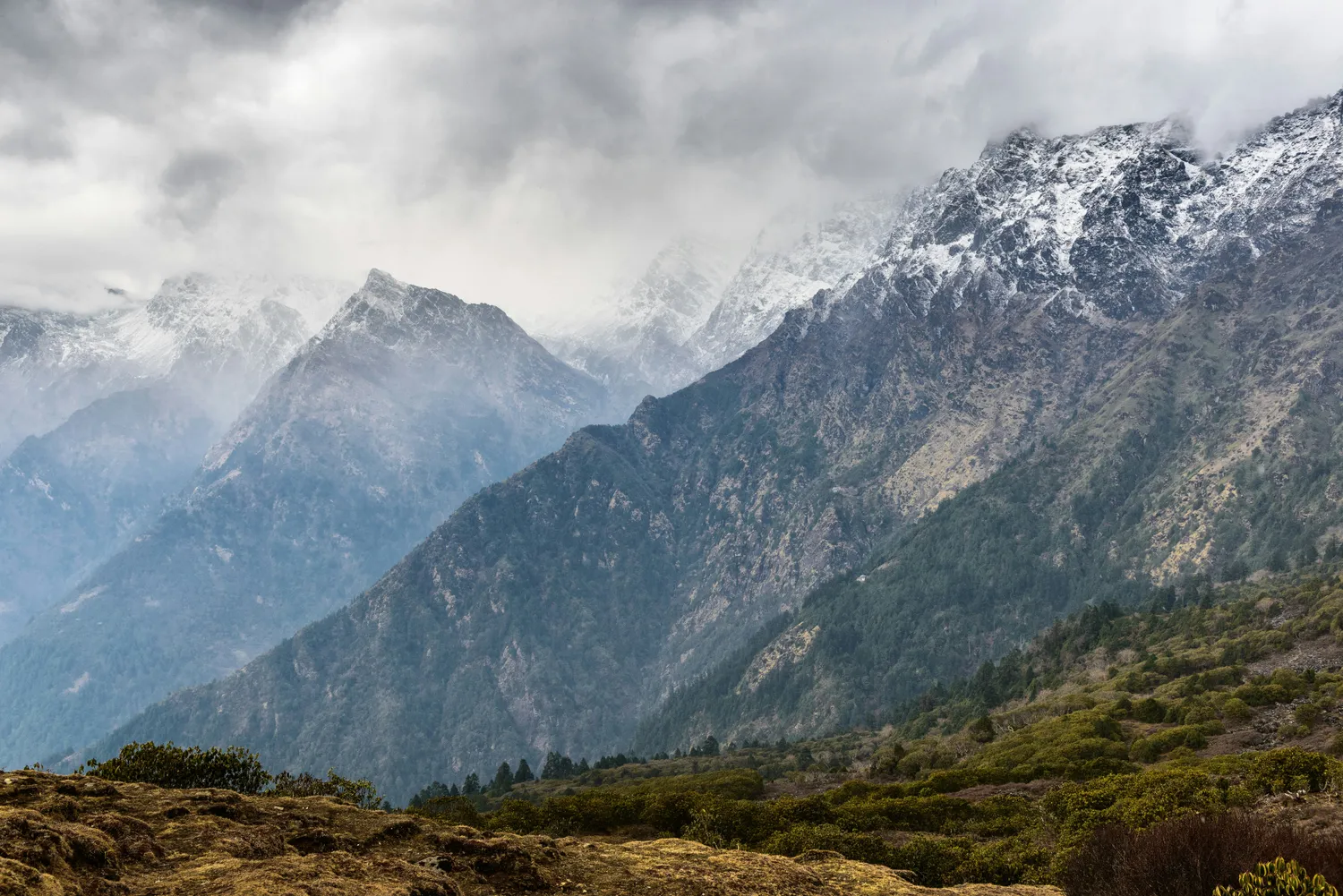
Located about 61 kilometers north of Kathmandu, the Langtang Valley trek takes you deep into the heart of the Himalayas. The trail usually begins from Syabrubesi and reaches Kyanjin Gompa at around 3,870 meters. With around 6–7 days of trekking and altitudes that rise from 1,500 meters to over 4,000 meters if you hike further up to Tsergo Ri, the weather changes fast and often. Here's what I learned on the trail.
Seasonal Overview: What to Expect Month by Month
Spring (March to May)
Spring is one of the best times to visit Langtang. When we trekked in early April, the skies were mostly clear, the temperature was just right, and the rhododendrons were in full bloom. Daytime temperatures ranged from 10°C to 20°C at lower altitudes, dropping to around -2°C to 5°C at higher elevations.
Mornings were crisp but manageable. By mid-morning, we usually had to shed our jackets. There was the occasional afternoon cloud cover, but we didn’t face any major rain. Spring weather makes walking easier and views brighter—especially those of Langtang Lirung, which stands tall at 7,227 meters.
Summer/Monsoon (June to August)
This is when Langtang Valley gets soaked. I’ve spoken with other trekkers who went in July, and they all say the same thing—expect heavy rainfall and muddy trails. Landslides can also block paths. Temperatures stay between 15°C to 25°C in the lower parts, but the humidity makes it feel warmer.
If you do decide to trek during this time, be prepared with rain gear and good boots. Visibility isn’t great, but the green hills and flowing waterfalls can feel magical if you're okay with getting wet.
Autumn (September to November)
Autumn is another ideal time for Langtang. I returned here once in October, and I must say—it was pure clarity. The skies were a deep blue, the trails dry, and the mountain views were flawless. During the day, the weather hovered between 10°C to 18°C. At night, especially around Kyanjin Gompa or higher, it could dip below freezing.
Langtang Valley weather during autumn is stable and cool, which means fewer surprises on the trail. It’s the peak trekking season, so you’ll meet more people on the route, but the vibrant energy adds to the experience.
Winter (December to February)
If you're not afraid of the cold, winter trekking offers something different. The valley turns into a quiet, snow-covered world. Temperatures often go as low as -10°C at night, especially at higher camps. Days are sunny but chilly, around 5°C to 10°C during the day.
I’ve never done the full Langtang trek in winter, but a short hike up to Lama Hotel gave me a glimpse of the white, peaceful trails. It’s less crowded and beautiful—but be prepared for frozen paths and early sunsets.
Daily Weather Patterns: Mornings, Afternoons, and Nights
One thing we noticed throughout the trek—mornings were the clearest. Most of our best mountain views happened before 10 a.m. By afternoon, clouds often rolled in, even in spring. Nights were cold and sometimes windy, especially in open areas like Kyanjin Gompa.
Langtang Valley weather tends to shift fast with altitude. At lower villages like Syabrubesi (1,500 meters), it’s warm and humid, while places like Langtang Village (3,430 meters) feel much colder and drier. Pack layers that you can adjust as the day goes on.
A Few Tips Based on My Trek
- Layer up: Weather shifts from warm to cold quickly.
- Start early: Mornings are clear and less windy.
- Check forecasts in advance: Cell signal is limited, so get updates before heading up.
- Carry sun protection: Even on cold days, the sun at high altitudes can be strong.
Final Thoughts: Watch the Sky and Enjoy the Ride
Langtang Valley weather is like a moody artist—sometimes calm and clear, sometimes full of wild expression. But that’s what makes the journey special. Each shift in the sky adds a new layer to the trek.
If you’re planning to go, time your trek right, pack smart, and leave space in your heart for surprises. The clouds, wind, and sunshine all play their part in making Langtang unforgettable. One moment you’re under a sunny sky; the next, you're sipping tea while snowflakes dance outside your window. That’s the kind of magic you’ll remember.