Paid ads can feel intimidating when you’re used to selling through repeat buyers, referrals, and the occasional social post that takes off. Suddenly you’re looking at dashboards, unfamiliar settings, and choices that seem like they could waste money if you pick wrong. That uncertainty is normal, and it’s exactly why your first campaigns should be simple, structured, and designed to teach you fast, not impress anyone with complexity.
This beginner plan focuses on the basics that move the needle: choosing one clear customer group, picking a platform that fits your product, building scroll-stopping creative, and setting a small test budget you can sustain. If you follow the steps in order, you’ll avoid the most common mistakes, reduce decision fatigue, and build confidence with every round of results, because you’ll always know what you’re testing and why.
Pick a Single Buyer Story to Speak to
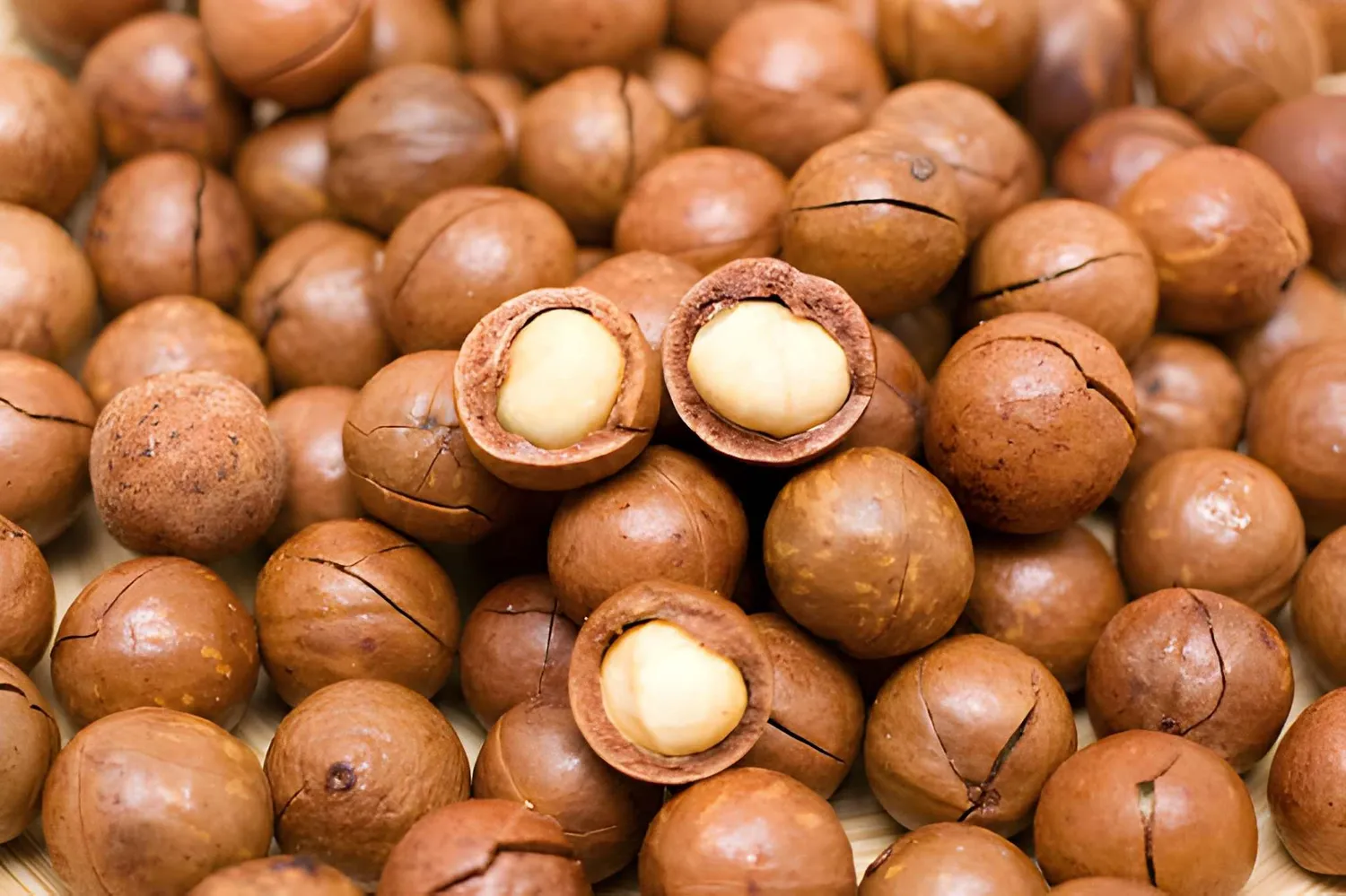
Start by choosing one main buyer type instead of trying to appeal to everyone. Macadamia products can attract snackers, bakers, gift shoppers, and wellness-minded customers, but your first ads work best when the message is specific. Decide who you’re speaking to and what moment triggers their purchase, an afternoon snack break, a weekend baking plan, a “host gift” problem, or a last-minute treat for themselves.
Write a quick profile: what they value, what they’re avoiding, and what would make them choose your product today. Add a few “proof points” you can show visually, like packaging, portion size, or serving ideas. Your job is to make your ad feel like it was made for that moment. When your message fits the buyer’s day, your targeting gets easier, your creativity becomes more focused, and your budget stretches further.
Pick One Ad Platform to Focus On First
If your product looks delicious in photos or quick clips, social platforms are often the best place to start. Instagram and Facebook are strong for food because visuals do most of the persuasion, and you can target by location, age range, and interests. TikTok can also work if you can create short, casual videos that feel nativepouring, snacking, recipe steps, or packing an order with satisfying sounds and movement.
Search ads on Google reach people who are already looking for snacks, gift ideas, or premium ingredients. The intent can be higher, but competition may push costs up, and your product page needs to match the search exactly. For a first campaign, pick one channel, learn what performs there, and set a simple weekly routine to review results. Expand only after you’ve found at least one ad that consistently earns clicks and a page that reliably converts. When that baseline is stable, new tests become comparisons, not blind experiments.
Turn Product Details Into a Strong Click Reason
Your ad has seconds to answer a quiet question: “Why should I care?” Instead of listing everything, choose one main selling idea per ad—best-selling flavor, sampler pack, gift-ready bundle, or limited-time shipping offer. Make that idea obvious in the first line and supported by your image or video. If you want to mention price, do it only when it strengthens the offer (like “bundle deal” or “free shipping”) rather than distracting from the product.
When your audience is health-leaning, keep the language plain and practical. You can mention macadamia benefits once by tying them to an everyday outcome like feeling more satisfied between meals or choosing a snack that doesn’t feel heavy. Avoid long nutritional claims and focus on “how it fits.” The more your copy sounds like a friend recommending something, the more likely people are to click without hesitation.
Use Lifestyle Visuals Instead of Catalog Shots
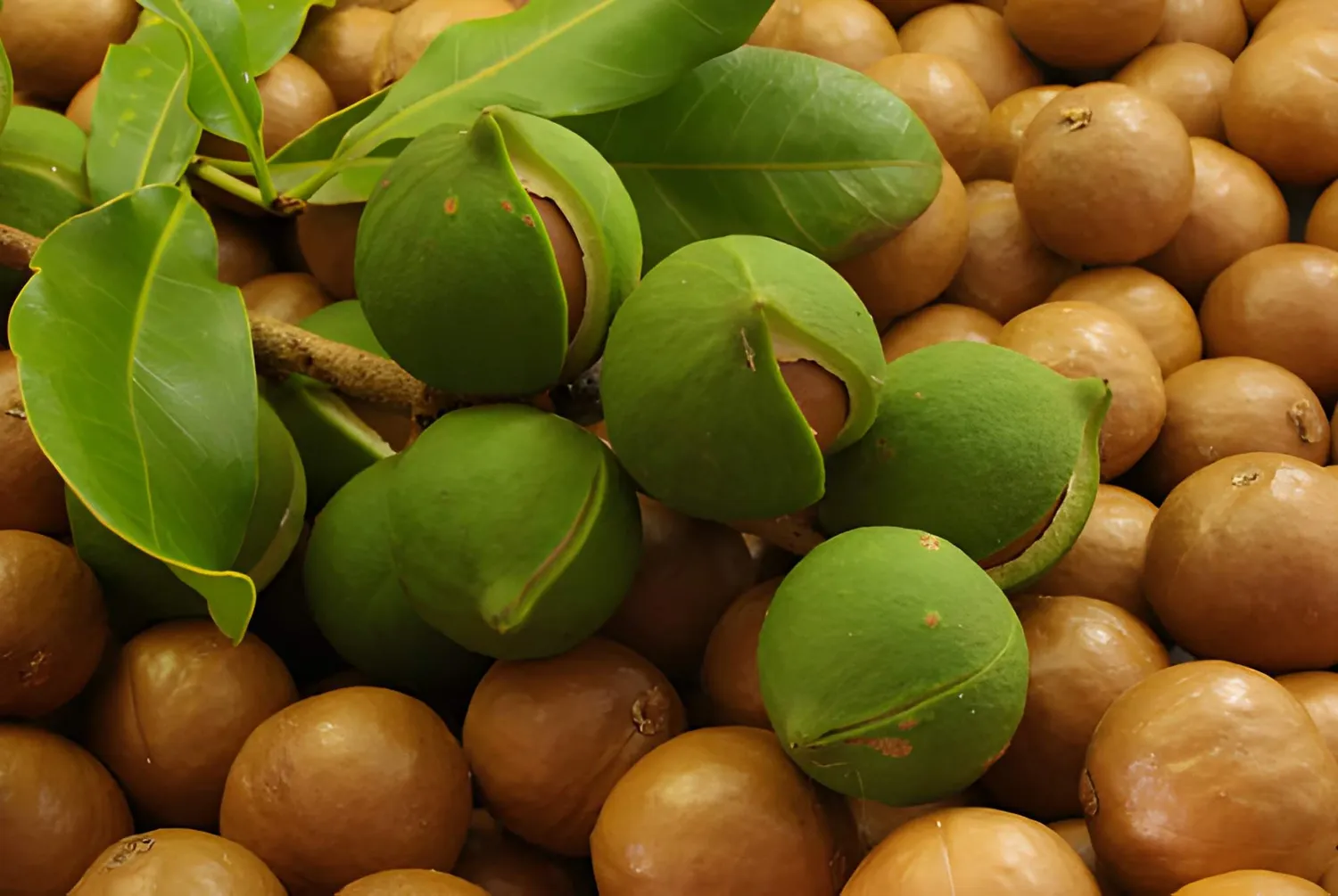
Food ads win when the product looks inviting and easy to imagine at home. Use bright natural light, clean backgrounds, and tight framing so the product is the hero. Show macadamias in a bowl on a desk, sprinkled over dessert, baked into cookies, tossed into a trail mix, or arranged in a gift box. If you can film, a 6–10 second clip of “open → pour → crunch” often outperforms a still photo because it communicates texture and freshness instantly.
Keep text short and supportive. Lead with one promise and one call to action, then let the visual do the work. Use one headline that matches the image, like “Sampler Pack” or “Gift-Ready Box,” so there’s no confusion. If it fits your positioning, include a single line about nutrients in macadamia nuts inside the body copy as a supporting detail, then return to taste, experience, and the offer so the ad stays appetizing, not technical.
Keep Your Campaign Structure Clean and Clear
A beginner-friendly setup is one campaign, one goal, one or two audiences, and a handful of ads. Choose an objective like website visits or purchases, then create two audiences at most (for example, “premium snackers” and “home bakers”). Build three to six ads that test different images or hooks, but keep everything else consistent so you know what caused a change. This prevents the common trap of changing targeting, copy, and creative all at once.
Start with a small daily budget you can run for at least a week. Turning ads on and off too quickly creates noisy results and makes it hard to learn. Consistency helps the platform deliver more evenly, and it gives you enough data to make a decision based on patterns instead of mood. If you want to be extra disciplined, set one “review day” each week and only make changes then.
Let Metrics Tell You What to Adjust
Think of your results like a simple checklist: impressions tell you if the platform can deliver, clicks tell you if the creative is compelling, and purchases tell you if your offer and page convert. If you’re getting clicks but no sales, look at the landing page; photos, price clarity, shipping details, reviews, and checkout friction. If you’re getting views but few clicks, your hook or visual needs strengthening, or your audience is too broad to care.
Adjust one main variable at a time. Swap the image, rewrite the first line, or narrow the audience, then measure the impact before changing something else. Over time, you’ll learn which macadamia nuts advantages resonate most with your buyers (taste, gifting, convenience, or recipe upgrade) and you’ll build a repeatable set of “winning angles.” That’s when ads stop feeling like gambling and start feeling like a system you can control.
Wrap-Up: Your First Macadamia Ad System
The goal of your first ads isn’t perfection, it’s momentum and clarity. When you pick one buyer story, commit to one platform, and run a clean test campaign, you create a steady feedback loop that replaces guesswork with evidence. Each week of data makes your next decision easier, and each round of creative teaches you how to present your product in a way that earns attention quickly.
Keep your structure simple, your budget sustainable, and your changes small and measurable. As you repeat the process, you’ll move from “trying ads” to running a reliable system that consistently brings new shoppers to your macadamia products, and you’ll know exactly why it works. That confidence is what lets you scale calmly instead of chasing trends.