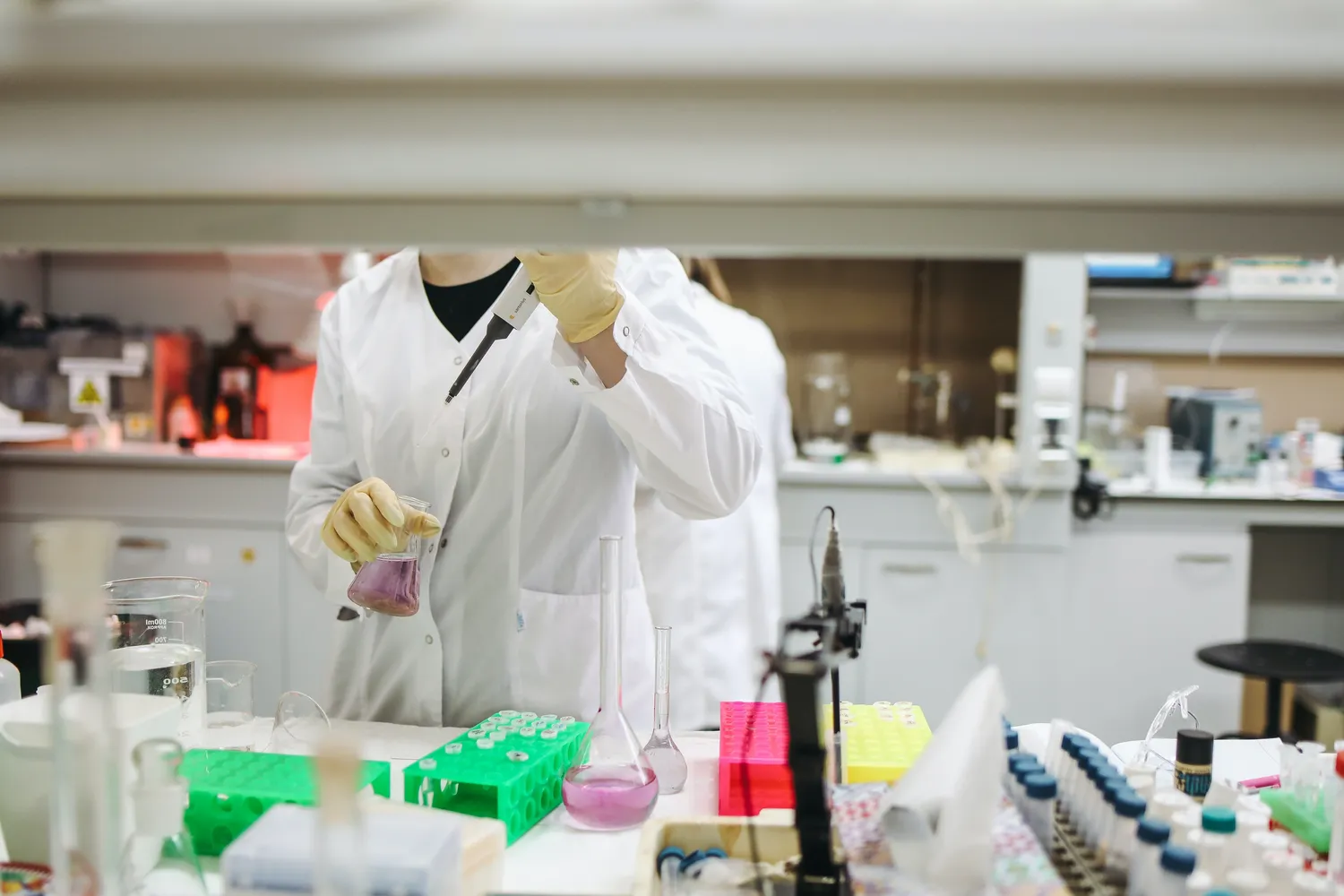
A lab furnace is a convection appliance that serves a variety of functions. It is a piece of essential equipment in laboratories run by science and manufacturing industries. The main purpose of the device is to heat a sample inside the oven chamber using a heat source from either mechanical or gravity convection.
Gravity convection involves the displacement of cold air by warm air. Meanwhile, mechanical convection uses baffles and blowers for a more even heat distribution. The heating process is just one way in which two lab furnaces may differ from each other.
You can choose from a wide range of lab furnaces, but you must first know this piece of equipment more fully.
Lab Furnace Application
Lab furnaces’ use cases include the following:
•Sterilization - The removal of microorganisms, such as bacteria, from laboratory equipment and similar tools.
•Evaporation – This is to either produce a concentrated solution or measure the melting point of a sample from which excess solvent is sucked out via the introduction of heat.
•Drying or dehydration - Typically performed in biological, clinical, and environmental laboratories, this involves the removal of moisture from samples.
•Annealing - Usually performed in metal and glass manufacturing, the process entails removing internal stresses via heating.
5 Tips for Lab Furnace Selection
1. Know your options
Learn the product’s different iterations. The most popular include standard digital ovens, heavy-duty ovens, high-temperature ovens, vacuum ovens, forced air convection ovens, and gravity convection ovens. These heat treatment devices suit specific purposes. For example, high-temperature ovens are favored in biological labs that conduct testing and drying of sensitive samples.
2. Understand the intended application
Lab furnaces are not created equal. Some are better suited to specific applications than others. In particular, the two popular lab furnace categories, namely gravity convection and mechanical convection have corresponding applications.
Gravity convection ovens are best for baking, conditioning, drying, aging, pre-heating, and curing. For powdery samples or substances that would be disturbed by air, gravity convection is the preferred heating option.
Mechanical convection ovens cater to both general and complex heating. For the latter, the covered applications include asphalt testing and conditioning, protein and starch digestion, serum protein analysis, vulcanization studies, and drug metabolism, among others.
Meanwhile, there are lesser-known heat treatment devices, too, such as vacuum and botanical vacuum ovens. The former is widely used in the food, pharma, and electronic industries. The latter is prevalent in botanical studies.
3. Size matters
You must also pay attention to the lab furnace’s size. Here, it’s not necessarily a bigger-is-better situation. The oven size must be dependent on the size of the samples. Spare yourself from the common mistake of relying on available space when determining the size of the lab furnace you intend to .purchase.
Keep in mind that if you try to fit more samples into the oven chamber than what’s recommended, you’ll end up with inaccurate results. That applies whether you’re baking cake or testing construction samples. Conversely, you do not need a massive oven when most of the work you’ll do involves samples on a petri dish.
The right oven size also affects cleaning and maintenance. You don’t want to be burdened by a large piece of equipment that’s too demanding to maintain when you could do with a smaller variant.
4. Mind the heat
Lab furnaces are for heating. It should get that job done just right. Otherwise, consider it a failure.
Here are two main considerations regarding heating factors. The first is maximum temperature. Lab furnaces can heat samples and substances to thousands of degrees. However, if your application only requires heating up to the hundreds, then stick to equipment capable of that range. Or else, you will be wasting money and consuming more energy than necessary.
The second consideration is thermal insulation. Purchase a lab furnace with optimal thermal insulation that will allow the reduction of thermal transfer rates and leakage. That’s how you can save on energy costs.
5. Consider the safety features
The main enemy of lab furnaces is overheating. If it happens, not only will it burn your samples but it might also trigger a fire. So, choose a heating oven with built-in safety features such as temperature deviation alarm, overcurrent protection, and overheating thermostat. That last feature will cause the equipment to automatically shut off when the maximum temperature is reached.
Wrapping Up
With the range of lab furnaces on the market, it’s easy to fall for the wrong piece of equipment. Know what you need from the get-go to avoid that from happening.
Consider the heating process you favor, for starters. Also, pinpoint the equipment’s main purpose. Be mindful of the specs, especially dimension-wise. These will affect how efficient the heat treatment furnace will be relative to your required application.
Lastly, shop around for different brand names and prices. Compare and contrast to arrive at a most informed decision.