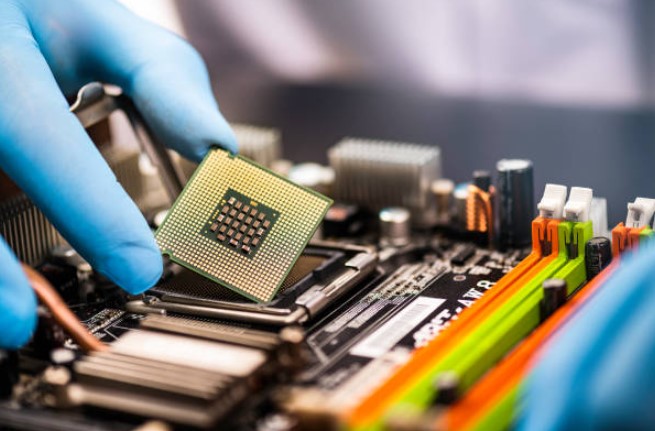
When it comes to electronic devices, the choice of semiconductor materials can make or break their performance. Whether you're a seasoned engineer or just a curious tech enthusiast, understanding how to select the right semiconductor materials is crucial. In this guide, we will delve into the intricate world of semiconductors, demystify the selection process, and equip you with the knowledge to make informed decisions.
The Fundamentals of Semiconductor Materials
Before we dive into the nitty-gritty of choosing the right semiconductor materials, let's establish a solid foundation by exploring the basics.
What Are Semiconductor Materials?
Semiconductor materials are at the heart of nearly every electronic device. They are a class of materials with electrical conductivity between that of a conductor and an insulator. This unique property allows them to control the flow of electricity in a way that is essential for the functioning of devices like transistors, diodes, and integrated circuits.
But not all semiconductor materials are created equal. Each has its own set of properties that make it suitable for specific applications. So, how do you go about choosing the right semiconductor material for your electronic device? Let's find out.
Factors to Consider When Selecting Semiconductor Materials
Selecting the appropriate semiconductor material is a multifaceted process that involves several critical factors. Here, we'll break down these considerations to help you make an informed decision.
1. Band Gap
The band gap of a semiconductor material is the energy difference between the valence band (the highest energy band with electrons) and the conduction band (the lowest energy band without electrons). It plays a significant role in determining the electrical conductivity of the material.
- Analogous to Traffic Lights: Think of the band gap as a traffic light. A wide band gap is like a red light, restricting the flow of electrons. A narrow band gap is similar to a green light, allowing electrons to move more freely.
2. Electron Mobility
Electron mobility refers to how quickly and easily electrons move through a semiconductor material when an electric field is applied. This property is crucial for high-frequency applications and efficient device performance.
- Like a Smooth vs. Bumpy Road: Picture electron mobility as the road quality. High electron mobility is like a smooth, well-paved highway, while low electron mobility is akin to a bumpy, pothole-ridden road.
3. Thermal Properties
Semiconductor materials must be able to withstand the heat generated during operation. Thermal conductivity and the material's ability to dissipate heat are vital considerations.
- Resistant Like a Superhero Suit: Think of thermal properties as the superhero suit that shields your device from overheating. A good semiconductor material is like a suit made of advanced materials, capable of handling extreme conditions.
4. Availability and Cost
Practicality is essential when delving into the semiconductor design process. Some semiconductor materials are more readily available and cost-effective than others, which can greatly impact your project's overall efficiency and cost-effectiveness. It's crucial to consider both your budget constraints and the feasibility of sourcing the material you need, as these factors play a significant role in successful semiconductor design and development.
Budget-Friendly Like a Thrifty Shopper: Selecting the right material is similar to being a thrifty shopper. You want quality without breaking the bank.
5. Environmental Impact
In today's world, it's vital to consider the environmental impact of your choices. Some materials may be more eco-friendly than others, and this factor can influence your decision.
- Eco-Conscious Choice Like Recycling: Making an eco-conscious choice is akin to recycling. It's your contribution to a greener world.
6. Application-Specific Requirements
Different electronic devices have unique requirements. Consider the specific needs of your application, such as power handling, voltage tolerance, and speed, when choosing a semiconductor material.
- Tailored Suit vs. Off-the-Rack: Think of this as selecting a suit. An off-the-rack suit might work for some, but a tailored suit is designed to fit your unique needs perfectly.
The Selection Process
Now that you have a grasp of the key factors, let's walk through the selection process:
1. Define Your Device's Requirements
Begin by clearly outlining the requirements of your electronic device. Consider its function, power needs, and operating conditions.
2. Identify Candidate Materials
Based on your device's requirements, create a shortlist of semiconductor materials that are likely to meet those needs. Research and consult experts if necessary.
3. Evaluate Properties
Examine the properties of each material on your shortlist. Compare their band gaps, electron mobility, and thermal properties. This evaluation should help you narrow down your options.
4. Cost and Availability
Consider the practical aspects. Is the material readily available in the quantities you need, and does it fit your budget?
5. Environmental Impact
Take into account the eco-friendliness of the materials you're considering. If sustainability is a priority, this may be a deciding factor.
6. Test and Prototype
Before making a final decision, create prototypes or conduct tests to see how the selected material performs in real-world conditions. This step can be crucial in fine-tuning your choice.
Case Study: Silicon vs. Gallium Arsenide
To illustrate the importance of material selection, let's compare two commonly used semiconductor materials: Silicon and Gallium Arsenide (GaAs).
- Silicon: Silicon is a workhorse in the semiconductor industry. It's readily available, cost-effective, and has excellent thermal properties. However, it has a wider band gap and lower electron mobility, making it more suitable for low-frequency applications.
- Gallium Arsenide (GaAs): GaAs has a narrower band gap and higher electron mobility, making it ideal for high-frequency and high-power applications. However, it's less abundant and more expensive than silicon.
Selecting between these two materials depends on your device's specific needs. It's like choosing between a versatile family car (Silicon) and a high-performance sports car (GaAs) based on your driving preferences.
Conclusion
Selecting the right semiconductor materials for your electronic devices is akin to choosing the perfect tool for a job. It's a thoughtful process that involves considering various factors, including band gap, electron mobility, thermal properties, cost, environmental impact, and your device's unique requirements.
By understanding the nuances of semiconductor materials and following a systematic selection process, you can ensure that your electronic devices perform optimally and efficiently. So, the next time you power up your smartphone or any other gadget, you'll have a deeper appreciation for the careful choices made in the world of semiconductors. Happy experimenting!