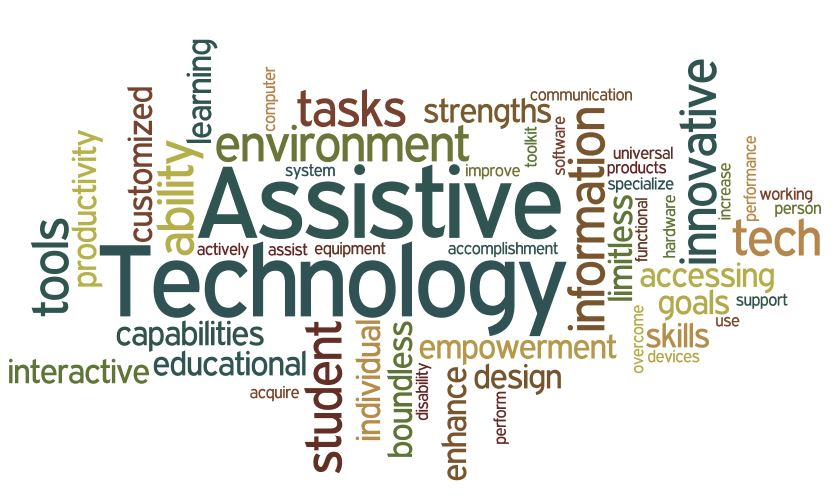
Assistive technology plays a crucial role in enhancing the quality of life for individuals with disabilities. These technologies encompass a wide range of devices and services designed to help individuals perform tasks that may be difficult or impossible due to their physical, cognitive, or sensory limitations. Understanding the various types of assistive technology available can empower users and caregivers alike in selecting the most appropriate tools for specific needs.
1. Mobility Aids
Mobility aids are devices that assist individuals with physical disabilities in moving around more easily. This category includes wheelchairs, scooters, and walkers, as well as more advanced options like exoskeletons. These technologies are designed to enhance independence and enable users to navigate their environments safely and efficiently.
2. Communication Devices
Communication is fundamental for social interaction and education. For individuals with speech or language impairments, communication devices such as speech-generating devices (SGDs), augmentative and alternative communication (AAC) systems, and text-to-speech software provide essential support. These tools help users express their thoughts, needs, and feelings effectively.
3. Vision Aids
For individuals with visual impairments, vision aids can make a significant difference. Tools such as magnifiers, screen readers, and braille displays allow users to access information and engage with their surroundings. Advanced technologies like optical character recognition (OCR) can convert printed text into digital formats, making it accessible through audio output.
4. Hearing Aids and Amplification Devices
Hearing aids are perhaps the most recognized form of assistive technology for individuals with hearing loss. These devices amplify sound, making it easier for users to engage in conversations and enjoy various auditory experiences. Additionally, assistive listening devices, such as FM systems and loop systems, enhance sound clarity in challenging listening environments.
5. Cognitive Aids
Cognitive aids assist individuals with memory, attention, and other cognitive challenges. These can include electronic organizers, reminder systems, and specialized software that helps with task management. By providing structure and support, cognitive aids help users maintain independence and improve their daily functioning.
6. Environmental Control Systems
Environmental control systems (ECS) enable users to interact with their surroundings using assistive technology. These systems can control various devices in a home or workplace, such as lights, thermostats, and appliances. ECS can be operated through various means, including switches, voice commands, or eye-tracking technology, providing flexibility and ease of use.
7. Adaptive Computer Technology
Adaptive computer technology encompasses a range of software and hardware designed to make computers accessible to individuals with disabilities. This includes adaptive keyboards, mouse alternatives, and specialized software that supports users with visual, auditory, or motor impairments. With these technologies, individuals can participate in the digital world, enhancing their educational and professional opportunities.
Conclusion
The landscape of assistive technology is continually evolving, with innovations aimed at improving accessibility and inclusivity for individuals with disabilities. By understanding the various types of assistive technology available, users and caregivers can make informed decisions that promote independence and improve quality of life. As technology advances, the potential for enhancing accessibility and breaking down barriers continues to grow, offering hope and opportunity for countless individuals.